Commercial electrical contracting
Commercial electrical contracting across Lebanon, Lancaster and Berks counties: fit outs, remodels, service and panel upgrades, lighting, parking lots and EV charging.
Low voltage is the layer of a building that nobody owns. The network vendor did the switches, the camera company did the cameras, the controls supplier did the controller, and the cable between all of it was run by whoever was closest to a ladder. That is why it works on day one and misbehaves for years afterwards. We treat the cabling as its own installation with its own rules.
What we do
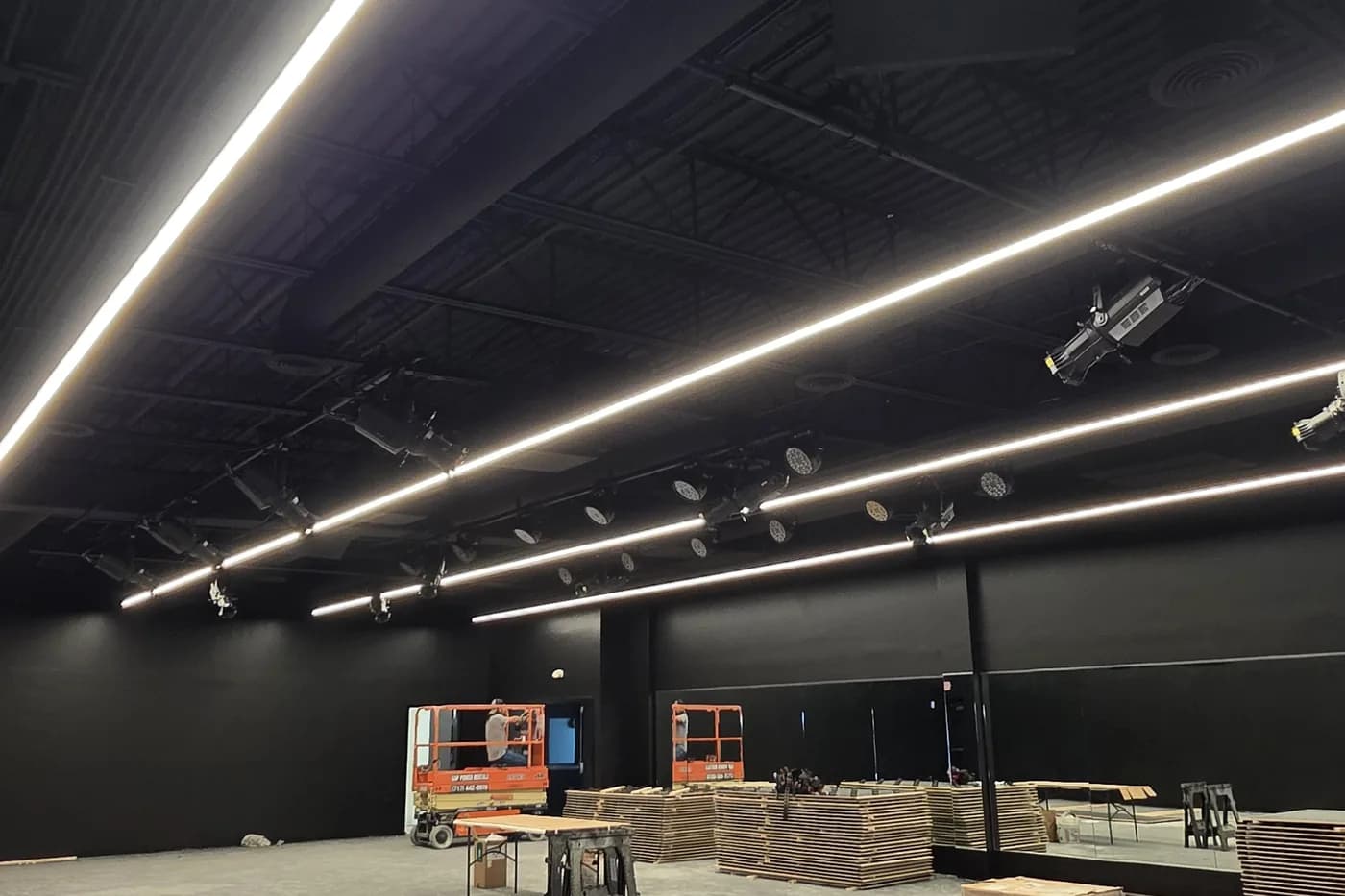
Commercial electrical contracting across Lebanon, Lancaster and Berks counties: fit outs, remodels, service and panel upgrades, lighting, parking lots and EV charging.
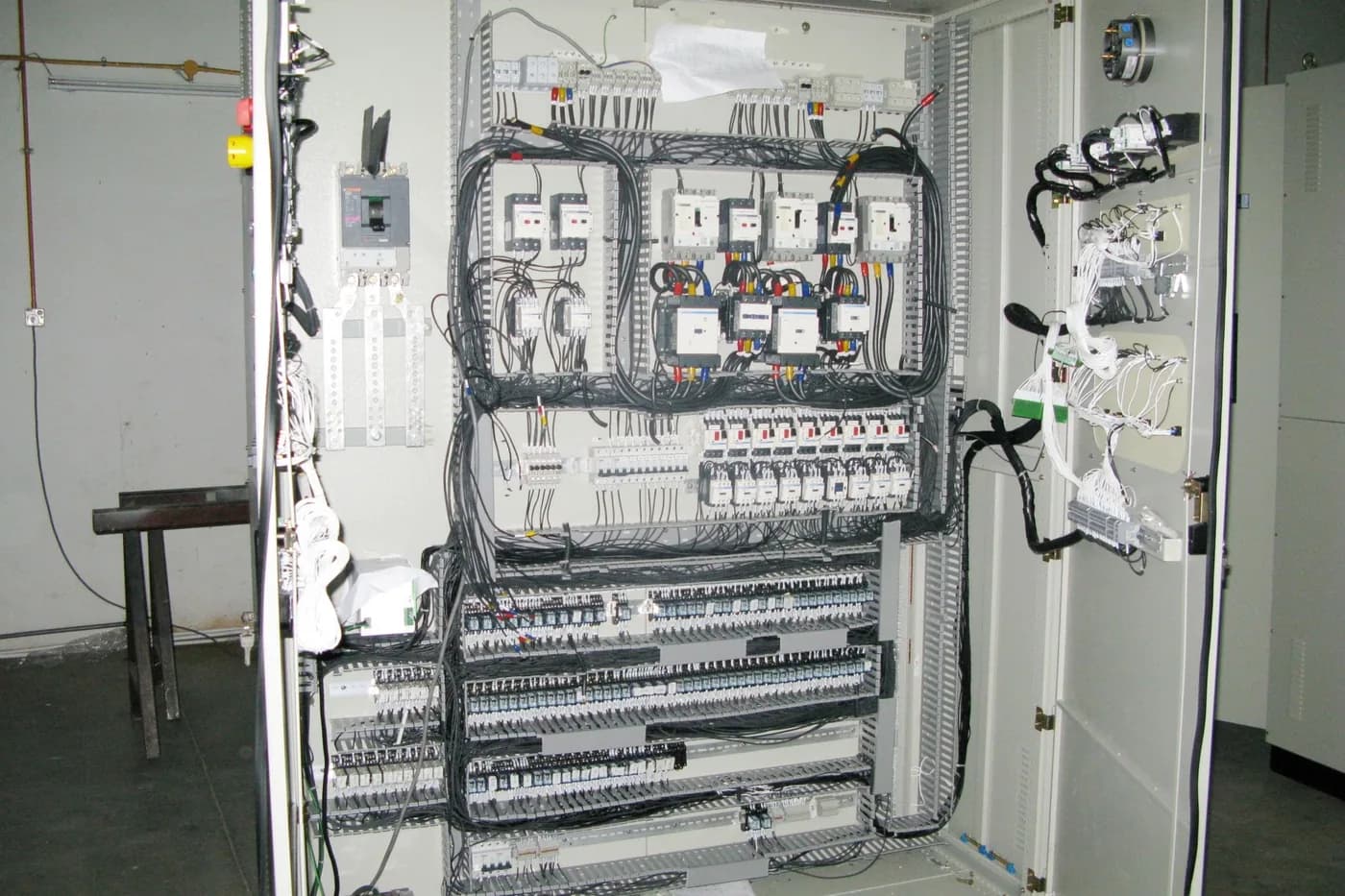
Control panel building, machine wiring, motor control, PLC and VFD work for plants and farms across Lebanon, Lancaster and Berks counties in Pennsylvania.
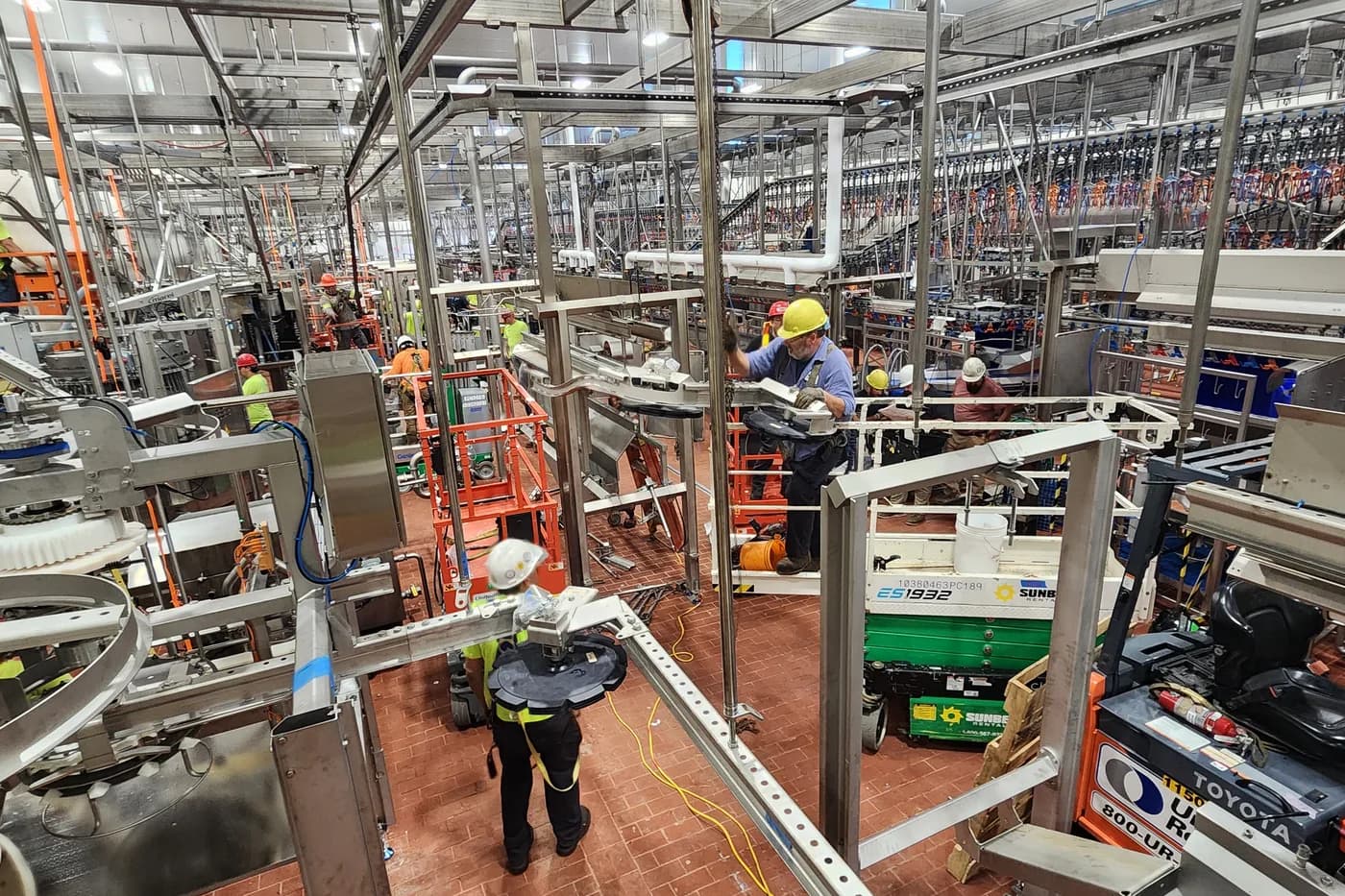
Industrial electrical contracting for plants in Lebanon, Lancaster and Berks counties: distribution, machine connection, motor control, drives and shutdown work.
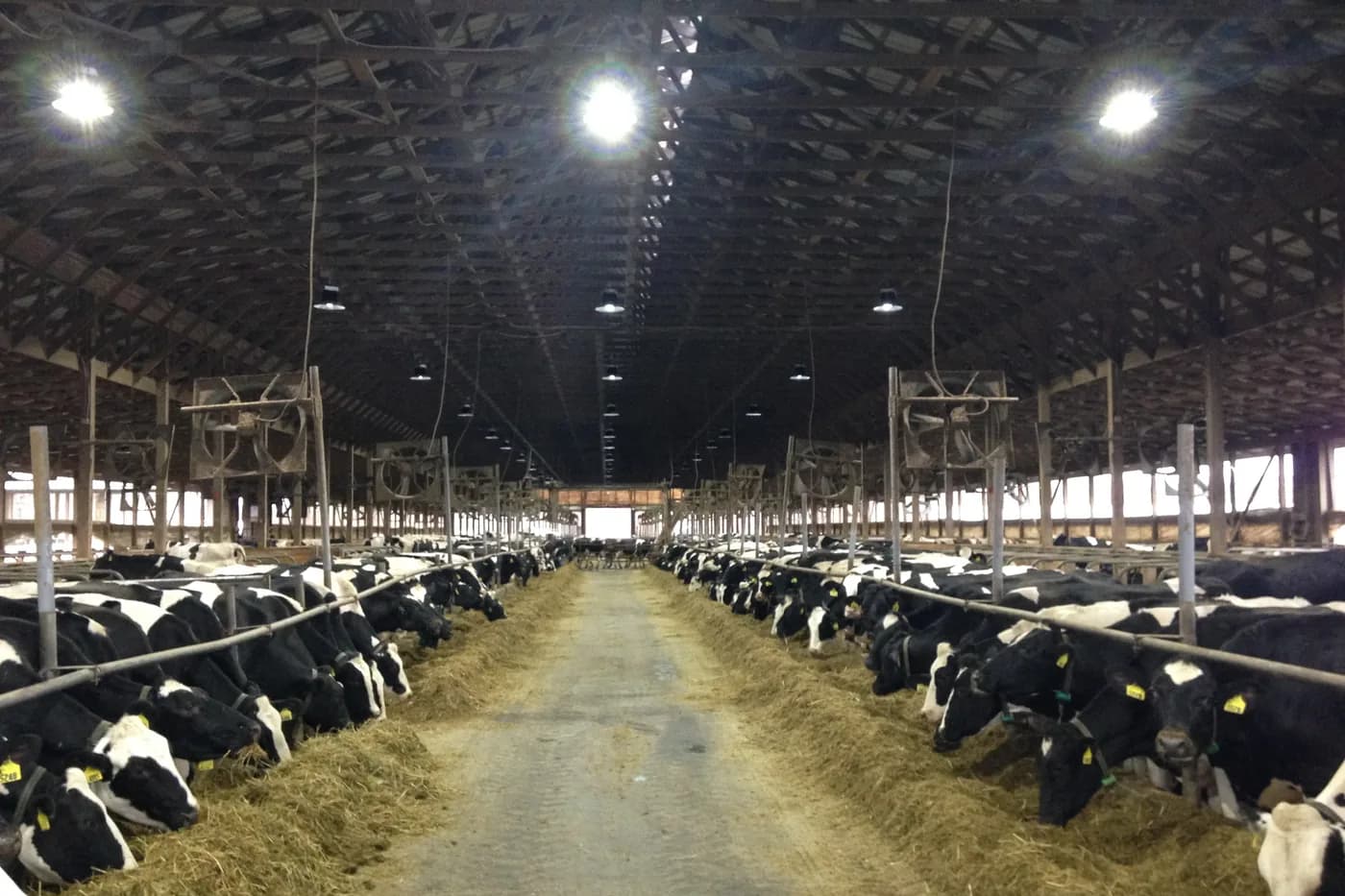
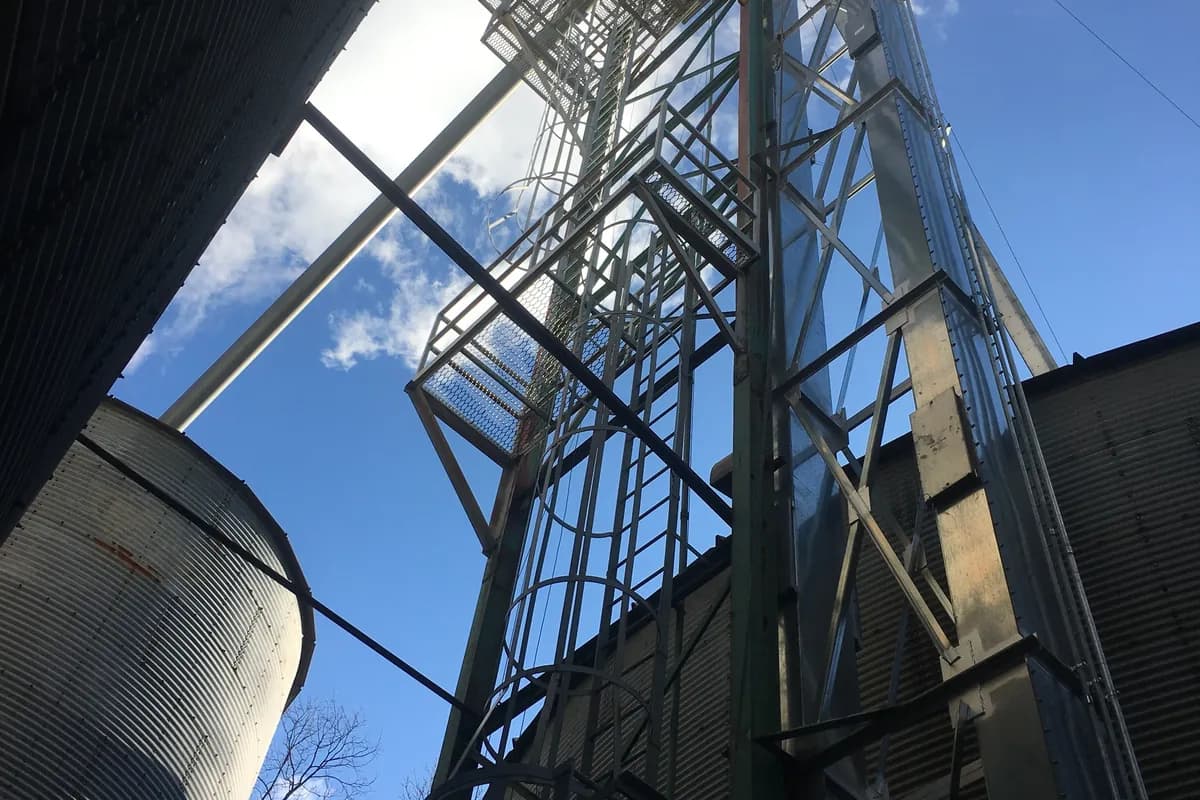
Electrical work for poultry houses, dairy barns and grain systems across Lebanon, Lancaster and Berks counties: ventilation, controls, standby power and farm services.
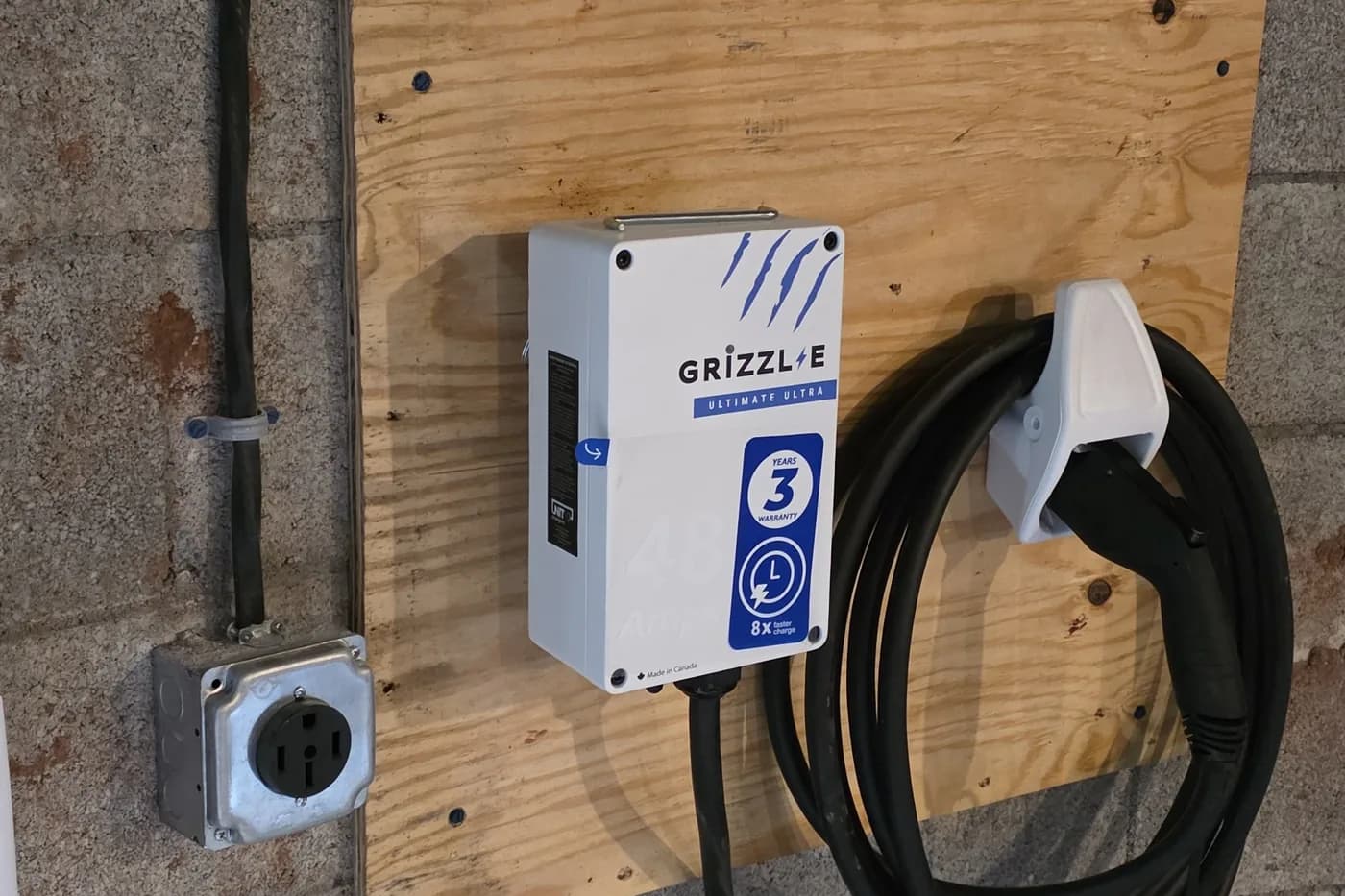
Commercial EV charger installation, load calculations, load management and conduit for future stalls across Lebanon, Lancaster and Berks counties in Pennsylvania.
What it is
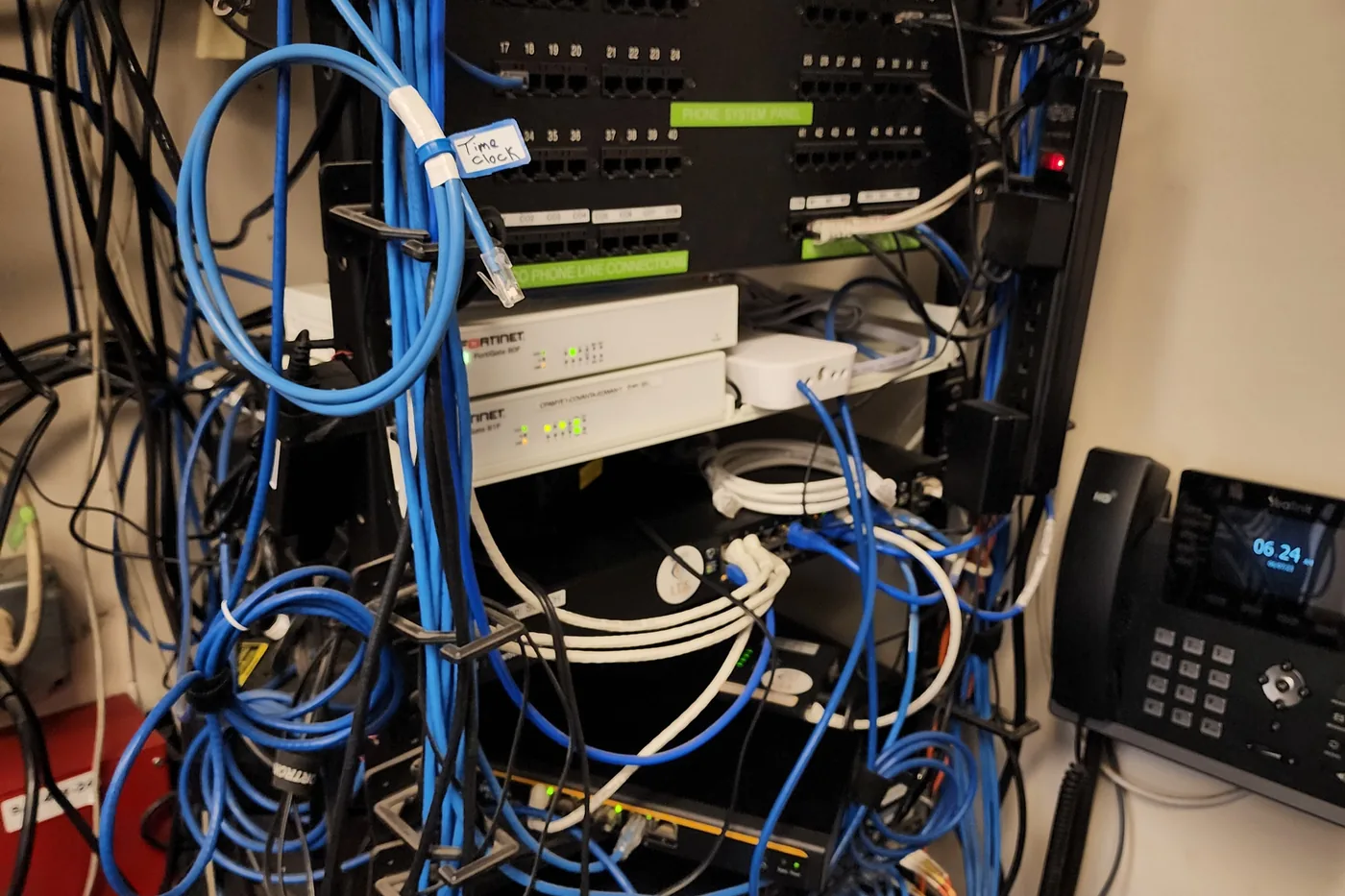
Structured means every outlet in the building runs back to one place, and only that place. No daisy chains, no couplers hidden above a ceiling tile, no switch sitting on a shelf in a closet because the run was too long. Each drop is a permanent link from a patch panel to an outlet, and everything after that is a patch cord you can replace in a minute.
The industry standard that governs it, TIA-568, sets the limit that shapes the whole design: 90 metres of solid cable in the wall plus up to 10 metres of patch cords, 100 metres end to end. That single number decides where the rack goes, and the rack position decides the cost of the job. Getting it wrong means a second closet nobody budgeted for. The comms room in our structured cabling job was placed for exactly that reason.
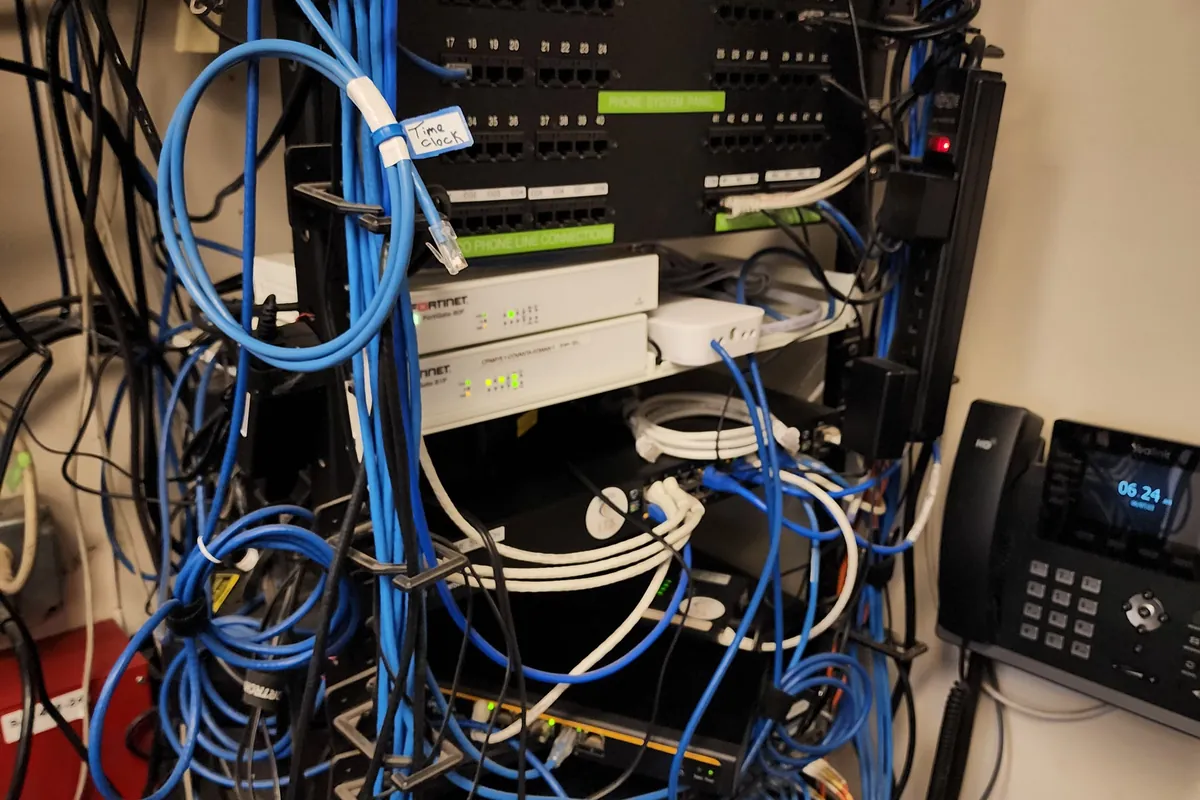
Power fails loudly. A breaker trips, a motor stops, someone calls. Low voltage fails quietly and intermittently, which is worse, because the symptom appears somewhere far from the cause and the cable is the last thing anyone suspects.
The pattern is familiar. Cameras that drop only at night, when a bad termination cools and contracts. A controller that loses its sensor on hot afternoons. A network port that renegotiates to 100 megabit and stays there, quietly halving throughput while everybody blames the software. An alarm that never comes because the pair feeding it was nicked by a staple two years earlier.
None of these show up on a toner. They show up on a certification test, which is why we test every link and hand over the results rather than saying it works.
Almost every fault we chase in existing cabling comes from one of a short list of installation mistakes. They are all avoidable and they all happen during the pull, which is the one part of the job nobody watches.
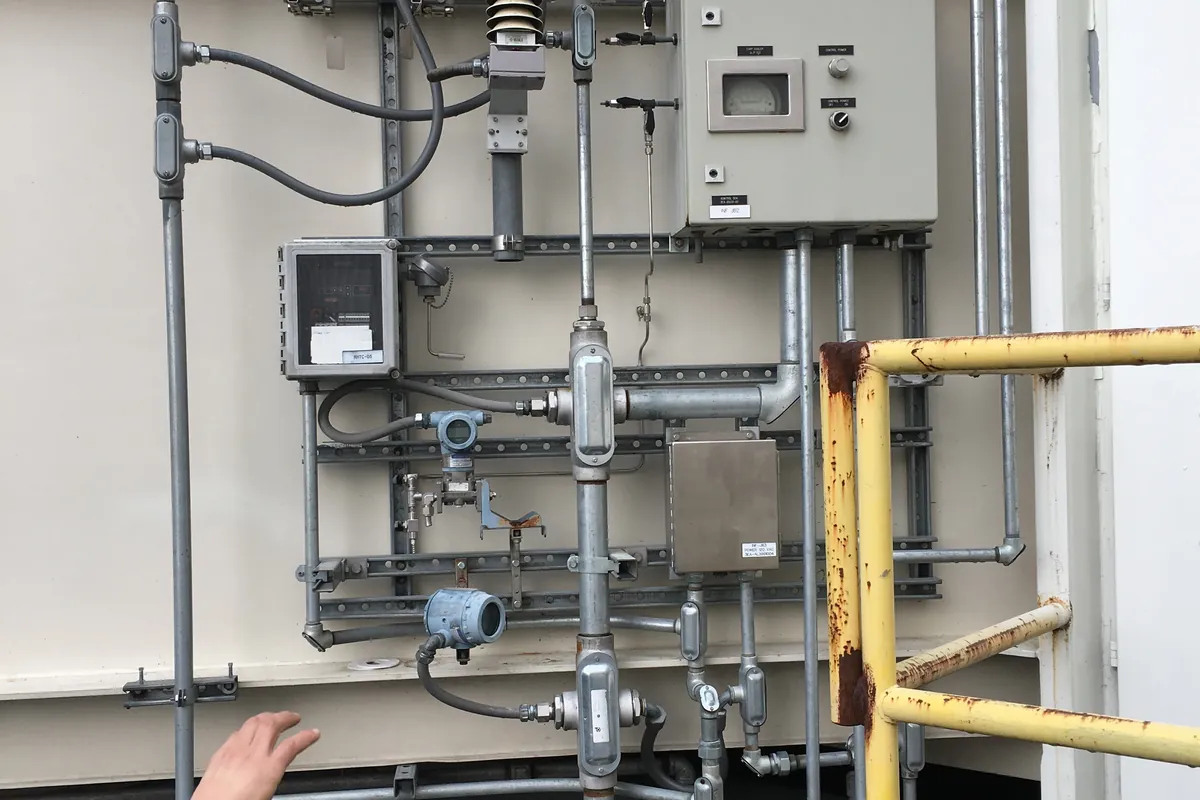
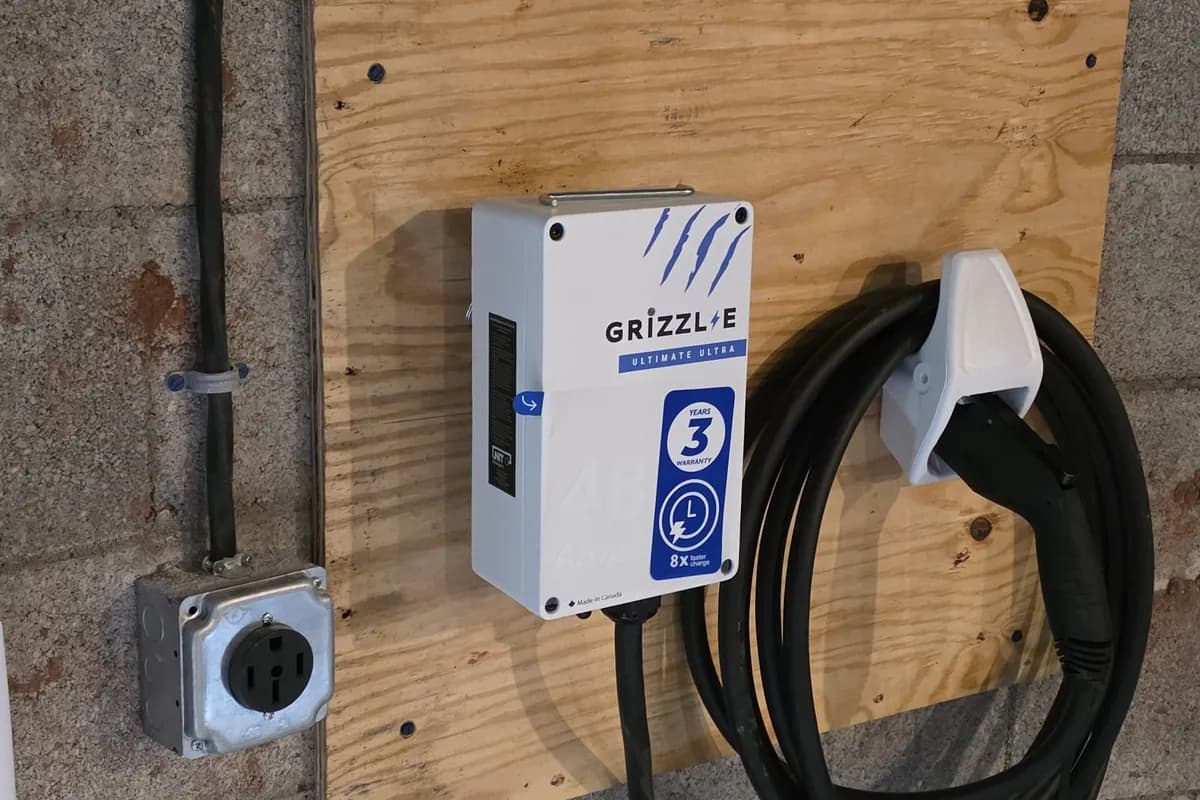
It is no longer just computers. Cameras, door controllers and card readers, wireless access points, intercoms, building controls, scales and the network side of drives all live on the same kind of cable, and increasingly on the same pathway. Signal wiring for process instruments belongs in the same discipline, as in the instrument rack job. Chargers are on it too, since a commercial charger needs a network drop to bill anything, as in the commercial EV charging site.
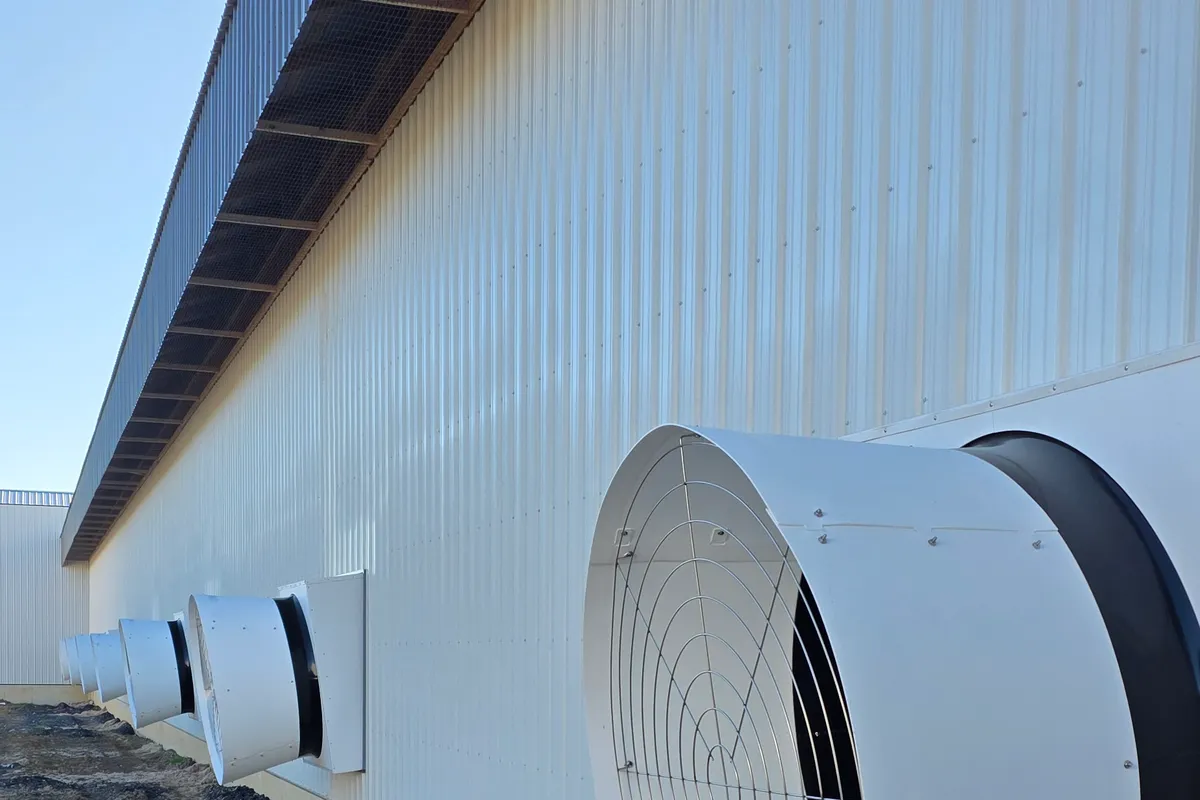
On a farm the stakes are higher than on an office floor. A poultry controller reads its temperature probes over low voltage cable, decides what the fans do, and calls the alarm dialer over another pair. If either run fails the building does not stop, which is the problem. It keeps running on the wrong information. We keep that cable in conduit, away from drive output, and terminated where ammonia cannot reach it, for the same reasons set out in choosing a wiring method for agricultural buildings and in the poultry house ventilation and power job.
PoE changed what this cable does. The original standard delivered 15.4 watts at the source, the next 30, and the current one up to 90 watts. That power is carried by the same thin conductors that carry the data, and the losses turn into heat.
One cable is fine. A bundle of a hundred cables in the middle of a tray is not, because the cables in the centre cannot shed heat and the whole bundle rises in temperature. Warm cable has higher insertion loss, so the link that certified at 20 degrees can fail at 45. Article 725 has tables limiting current per conductor by bundle size for exactly this reason.
The fix is not exotic. Smaller bundles, 23 AWG rather than 24, Cat 6A where the PoE load is high, and pathways sized for what will hang off them in five years rather than what is being installed today.
What this covers
If what you need is not on the list, it is still worth asking. This is what we are asked for most, not the limit of what we do.
Every outlet back to one place, and nowhere else.
The part that decides how the next ten years go.
Everything that watches a door or a yard.
The wiring a building makes decisions from.
Everything else that now rides on the same cable.
Where most of this work actually starts.
Comms rooms, racks and IDF closets
Offices, retail and showroom fit outs
Warehouses and distribution buildings
Manufacturing floors and plant networks
Poultry and dairy control rooms
Yards, gates and perimeters with cameras
Grain sites with remote sensors and alarms
01
A house controller reads temperature over low voltage cable and decides what the fans do. If that run fails the building does not stop, which is the problem. It keeps running confidently on wrong information.
02
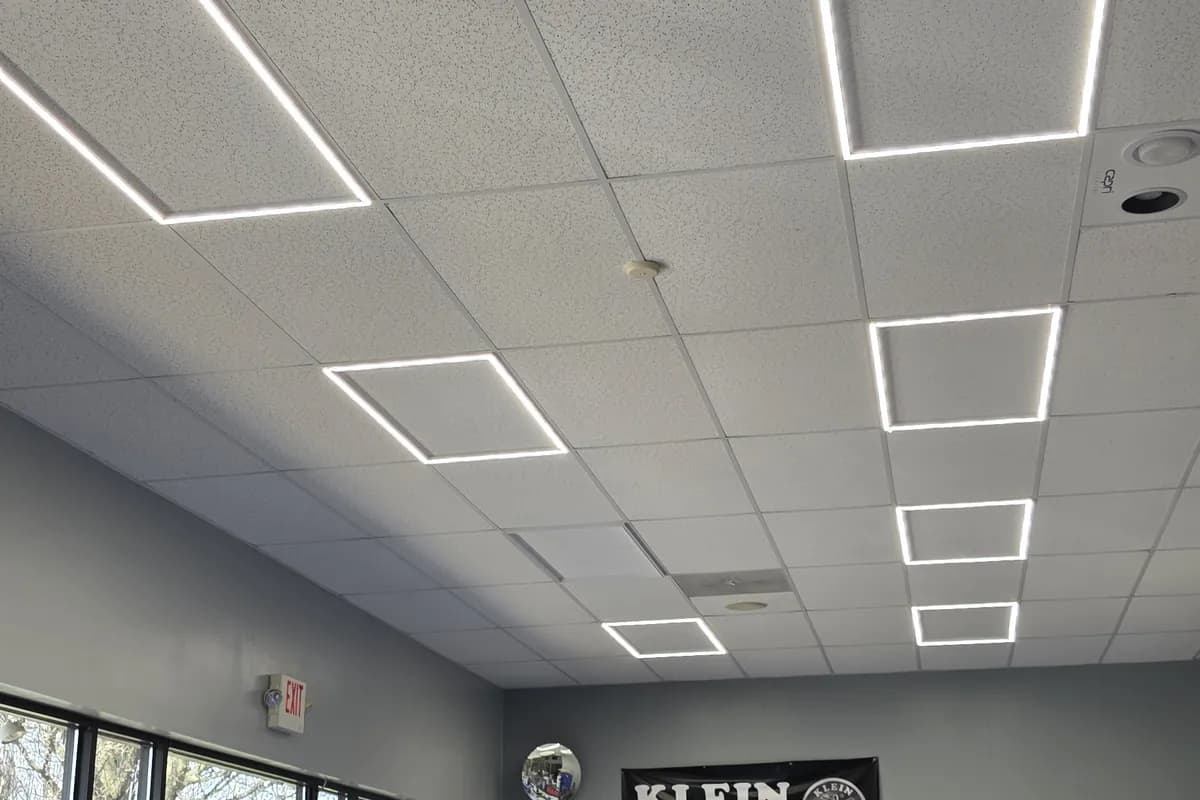
The cheapest moment to do this properly is while the walls are open, which is why it belongs in the same conversation as the rest of the fit out. Deciding where the rack lives against the 90 metre limit, before the studs go up, is worth more than any other decision on the job.
03
Cameras that drop at night, a port that quietly renegotiated to 100 megabit, a sensor that misbehaves on hot afternoons. None of these show on a toner, and all of them show on a certification test.
04
Drives, scales, instruments and panels that now expect a drop. That cable has to stay out of the raceway carrying drive output, which is a rule broken constantly and blamed on the software afterwards.
05
Long outdoor runs, PoE budgets, weatherproof terminations and surge exposure. Very different from an office drop, and the failures are all in the parts that sit outside.
06
We install and certify the cabling and hand over documented ports and results. The boundary between us is usually clean, and where it is not we would rather agree it before the work than after.
How a job runs
From the first visit to the labels left in the panel, this is the order it happens in.
Agree where the rack lives, measured against the 90 metre limit rather than guessed.
Count the drops per location and add the spares now, because a second visit costs more than a second cable.
Pathway first: conduit, tray or J hooks at proper spacing, with sleeves and listed firestop through rated walls.
Pull, terminate and label both ends to a scheme that matches the patch panel.
Certify every link with a tester that measures wire map, length, insertion loss and crosstalk.
Hand over the test results as a file, with a rack elevation and a drop list.
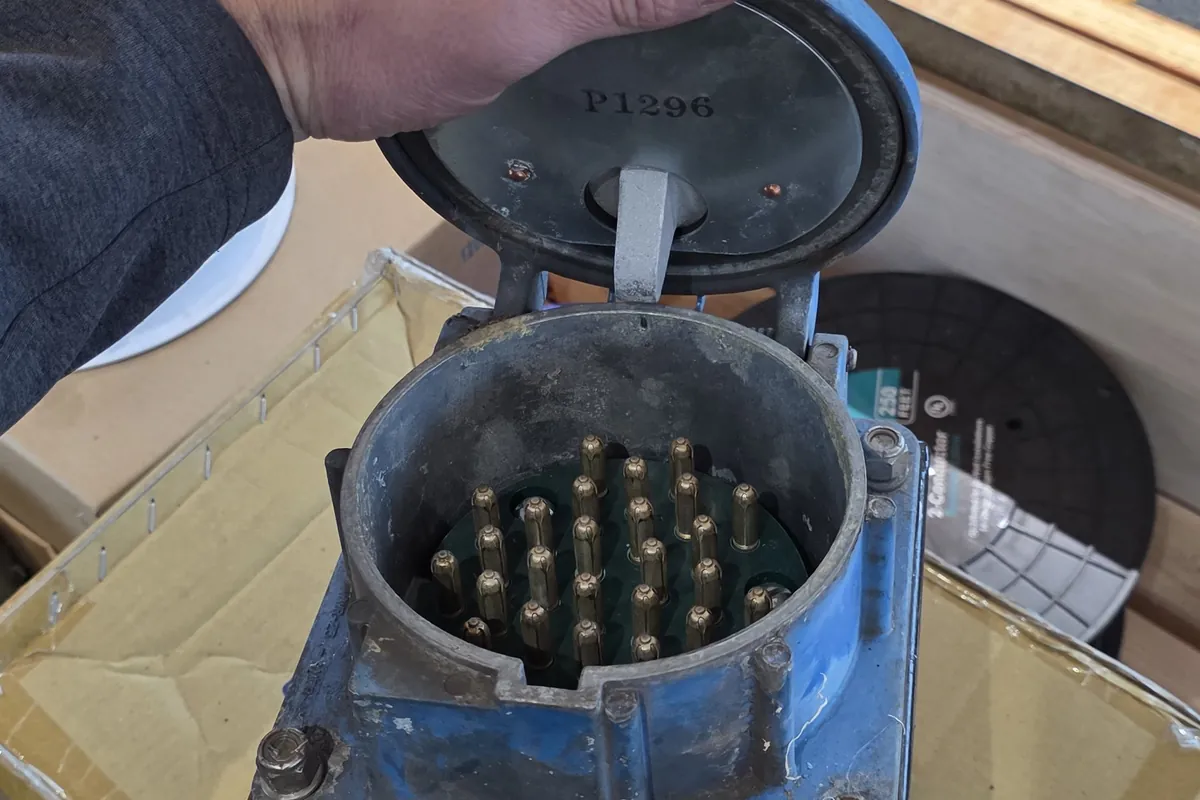
A tester that measures wire map, length, insertion loss and crosstalk, with the results handed over as a file. Saying it works is not the same as showing that it meets the standard it was sold as.
Ninety metres of solid cable plus patch cords, one hundred end to end. That number decides where the room goes, and getting it wrong means a second closet nobody budgeted for.
Bend radius, pull tension, hook and loop instead of cinched ties, half an inch of untwist at most. All of the faults we later chase were created during the pull, which is the one part of the job nobody watches.
Article 725 keeps class 2 circuits out of raceways and boxes shared with power conductors, and Article 300.11 means the cable does not ride on grid wires or sprinkler pipe. Both get ignored constantly and both cause years of quiet trouble.
Modern PoE puts real power through thin conductors, and the bundle in the middle of a tray cannot shed heat. Smaller bundles and pathways sized for five years out is the cheap version of a problem that is expensive later.
Which means nobody is arguing about whose cable is in whose tray, and the controller wiring is installed by the same people who did the panel feeding it.
5.0 ★ on Google · Open 24 hours
Read first
Power distribution
Where does the power actually go between the meter and the machine?
Agricultural
What does the code actually require in a barn that it does not require in a shop?
Agricultural
EMT, PVC or cable in a barn. What actually survives?
Motors and controls
The drive keeps tripping on ground fault, but the motor megs clean. What is tripping it?
Motors and controls
What does a variable frequency drive actually do, and do I need one?
Anatoly runs the crew and usually answers the phone himself. Based in Myerstown, working across Lebanon, Lancaster and Berks counties, open 24 hours.