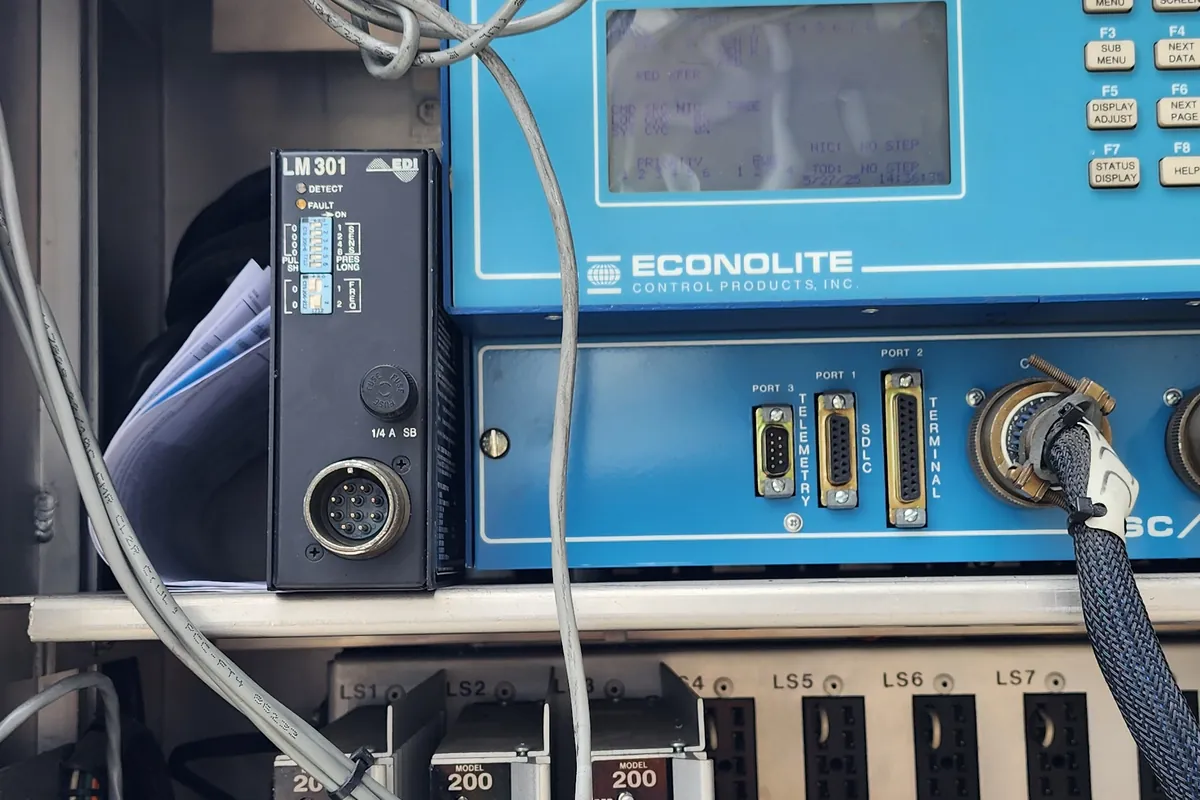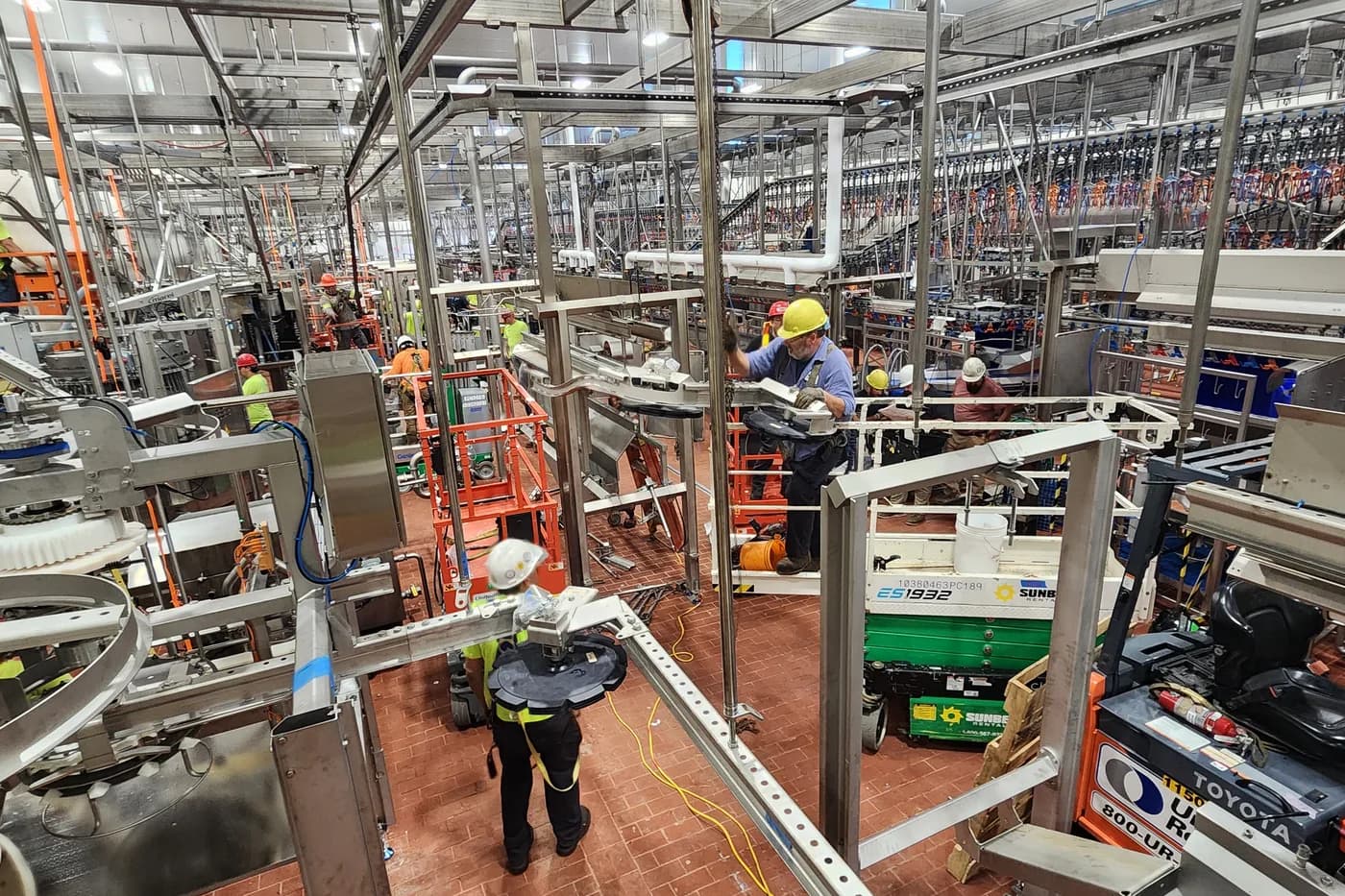
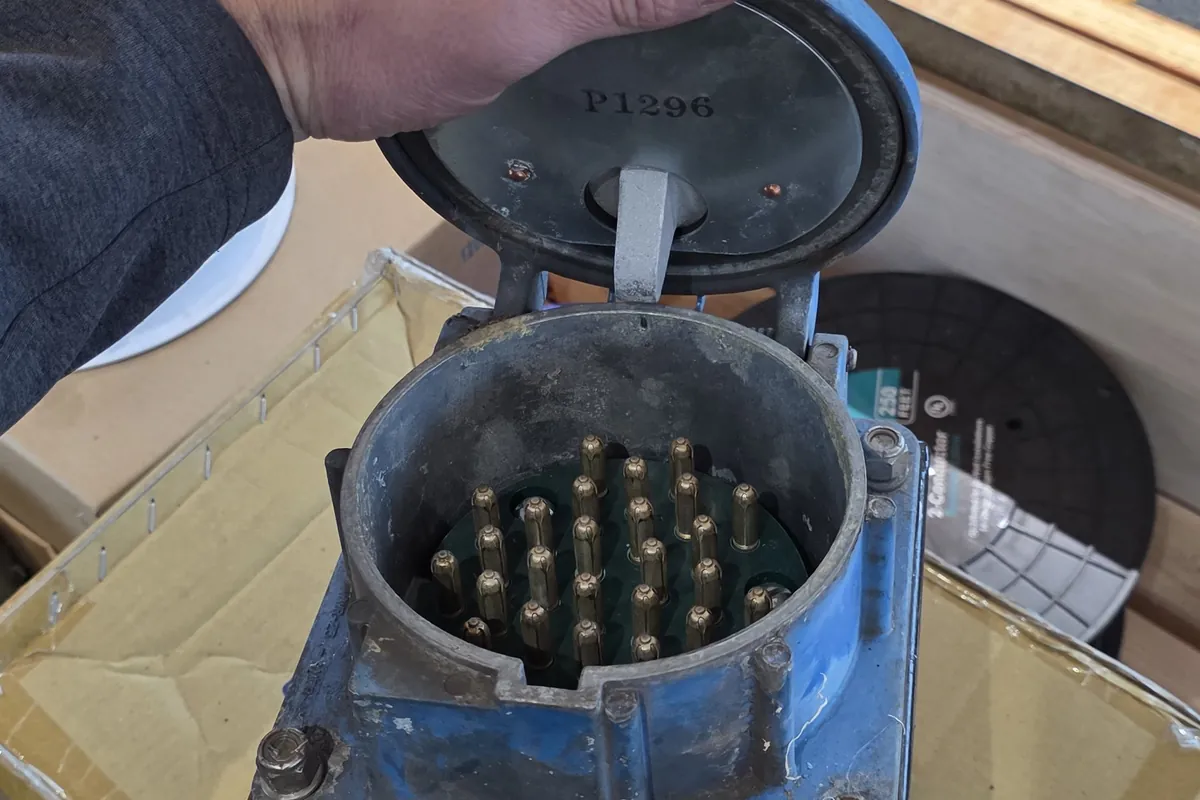
Industrial machine connection
The last few feet to the machine, where most expensive mistakes live.
Electrical work for plants, processing facilities and the equipment that runs them, serving Lebanon, Lancaster and Berks counties in Central Pennsylvania. From plant distribution and machine connections to motors, drives, controls and shutdown work, Slon Electric builds and maintains the electrical systems a plant depends on.
What we do
The last few feet to the machine, where most expensive mistakes live.
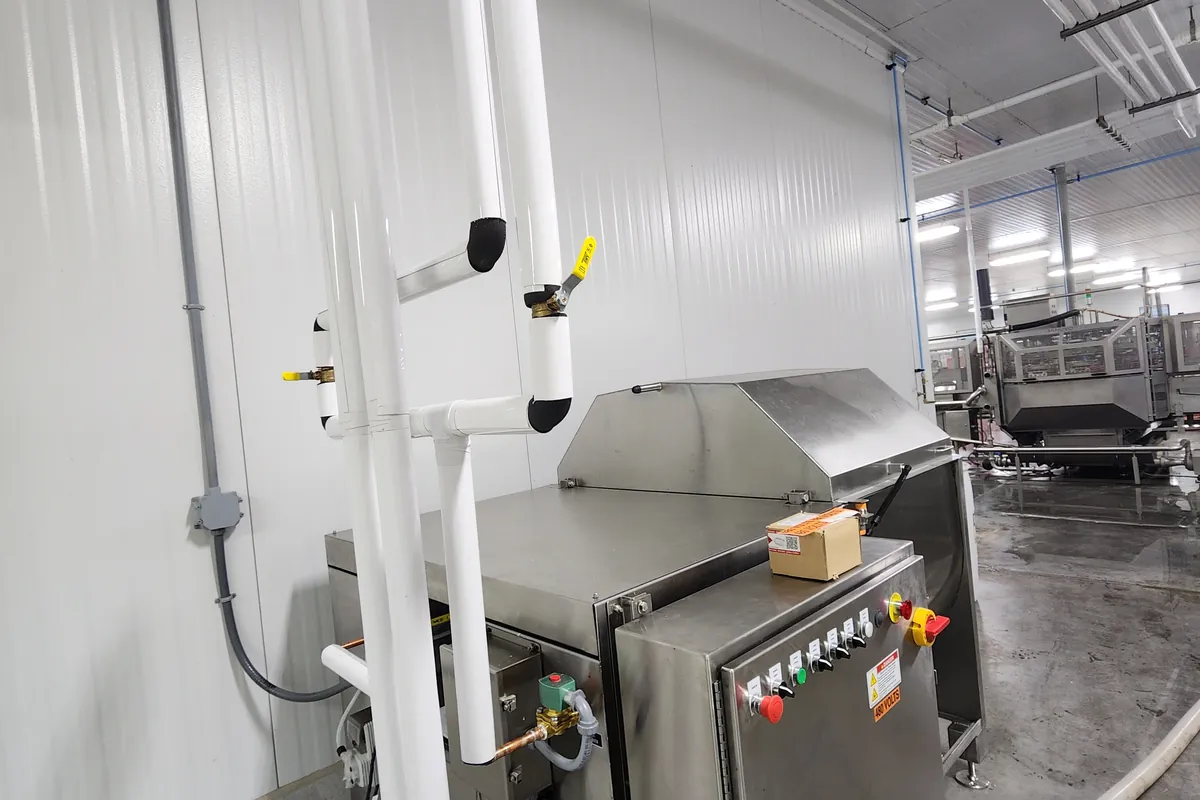
Everything that makes a motor start, stop and behave the way the process needs it to.
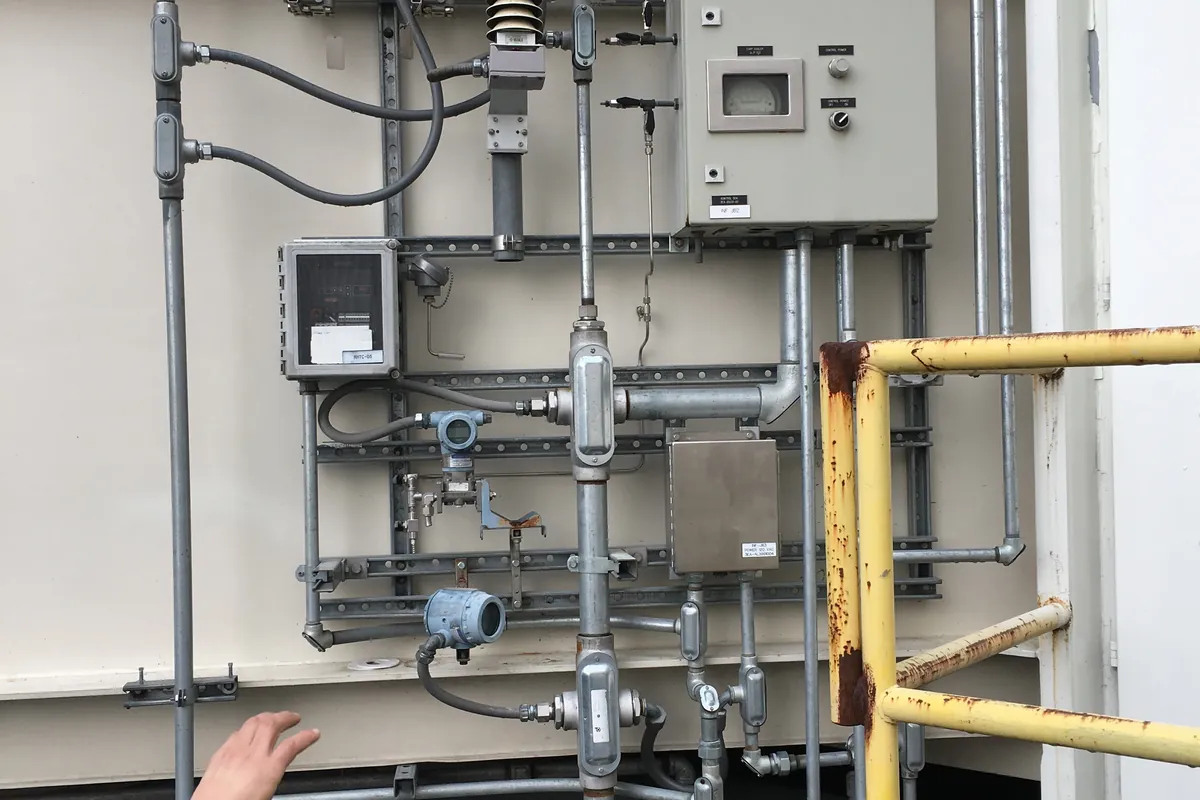
The wiring that carries information rather than power, kept apart from the circuits it reports on.
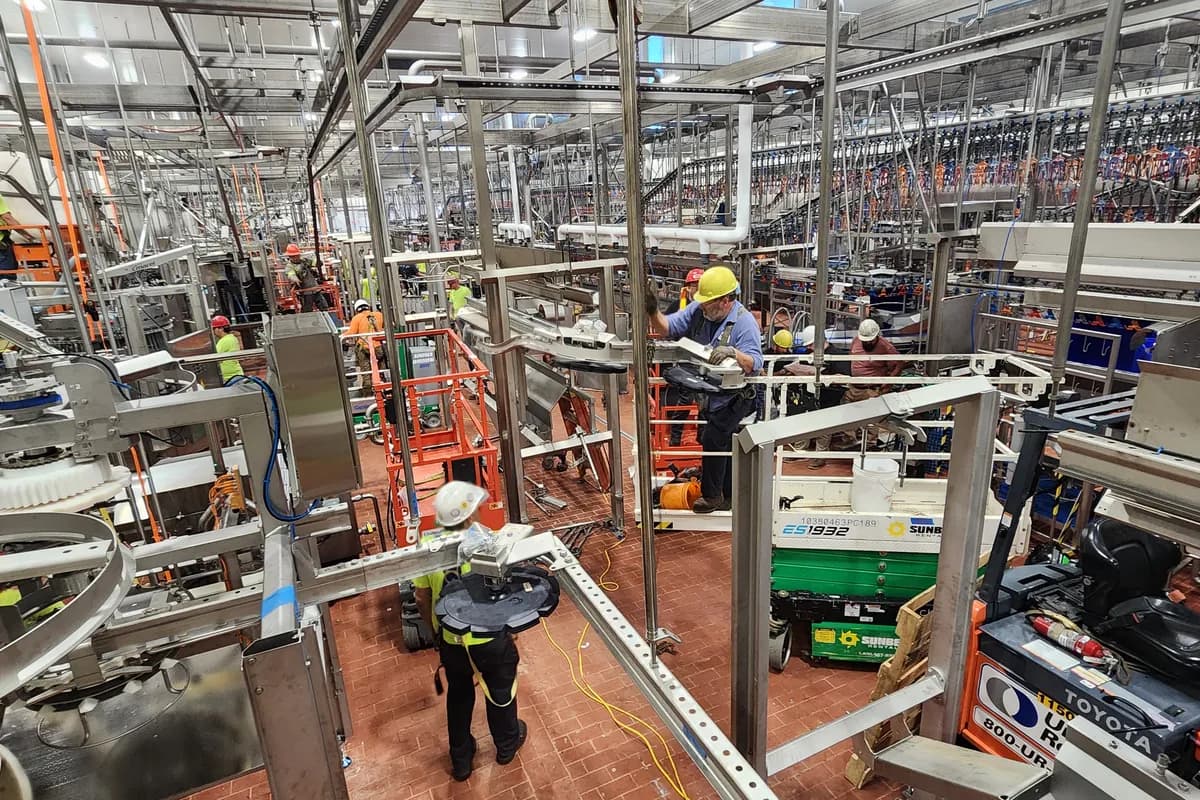
Work built around a window somebody else set, staged and ready before the line goes down.
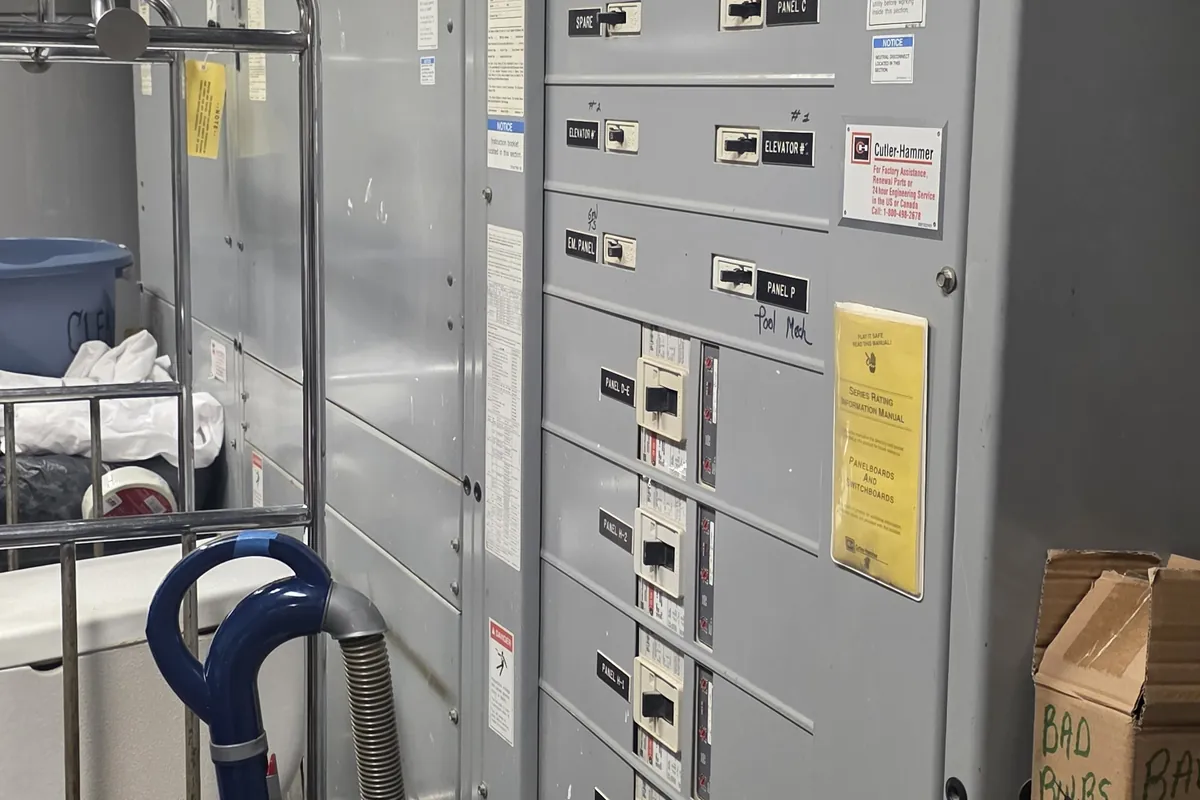
From the incoming service down to the last subpanel, sized from an honest load calculation.
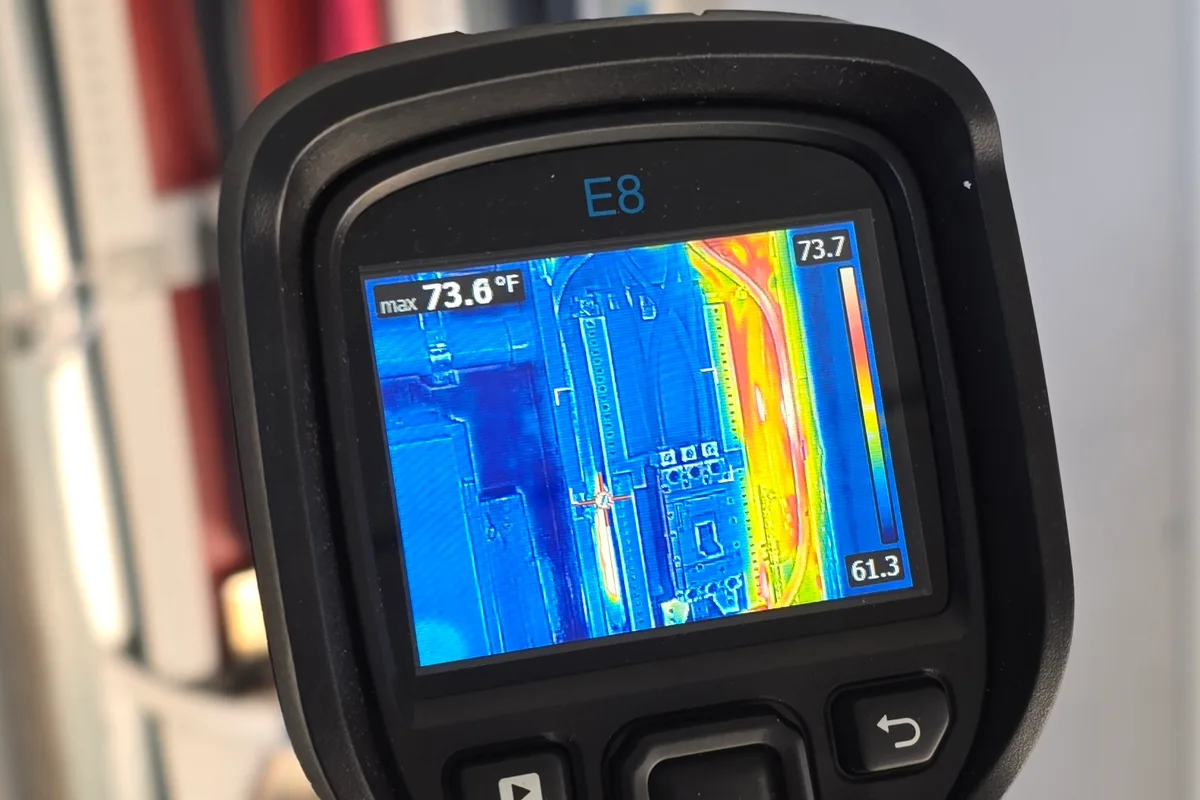
Thermal imaging finds a connection running warm years before it would otherwise fail.
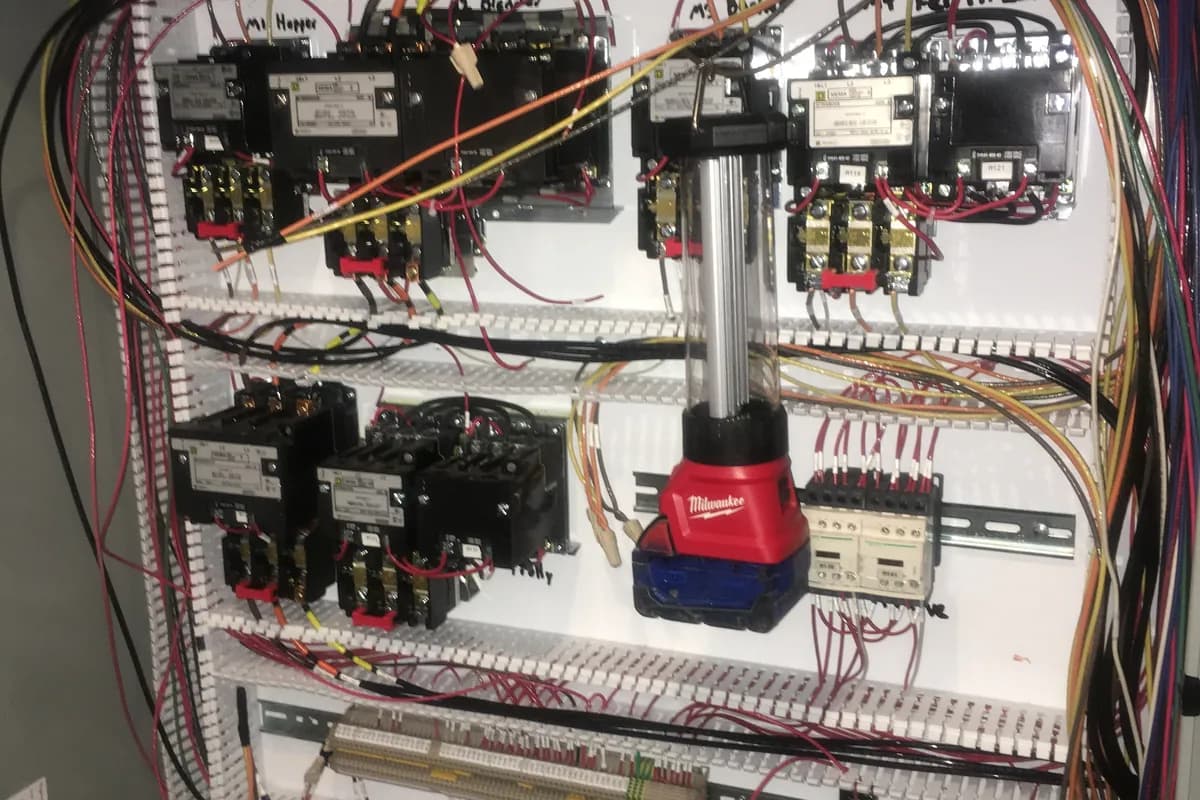
Built and wired for the person who opens it at two in the morning without having built it.
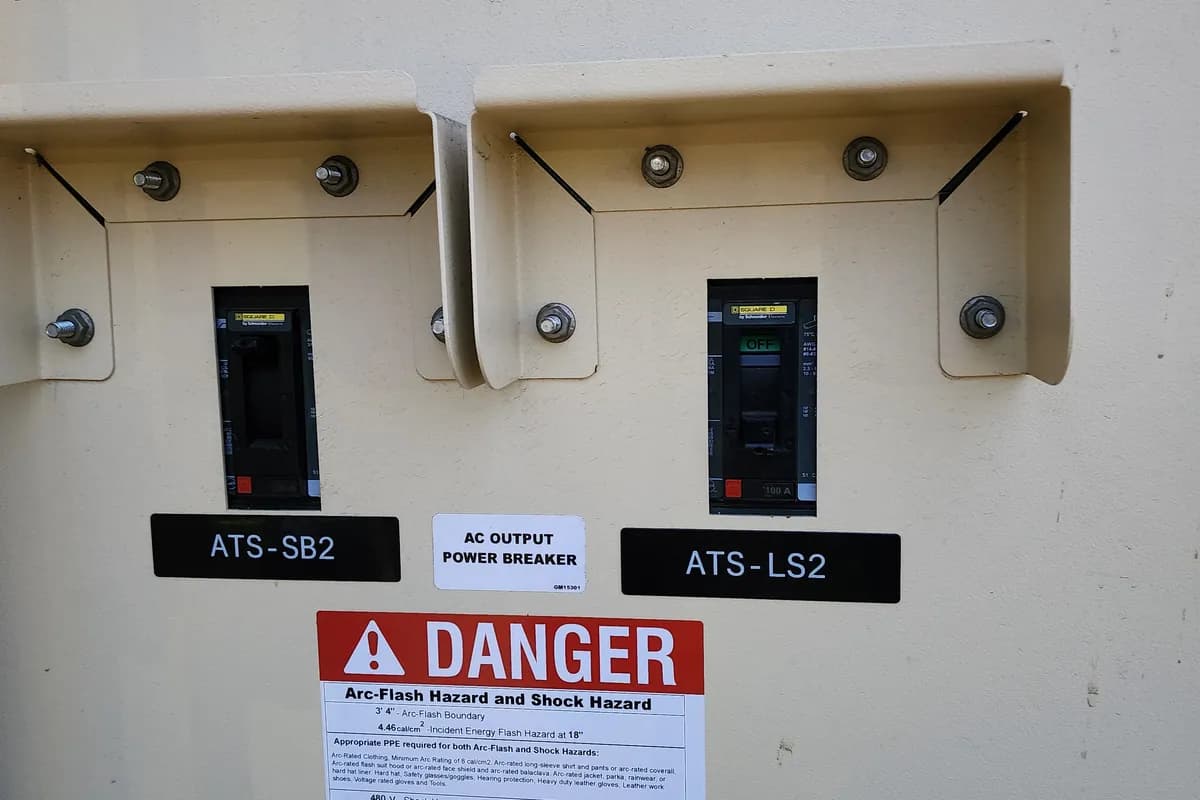
Sized from the loads that cannot stop, with transfer equipment that can never backfeed the utility.
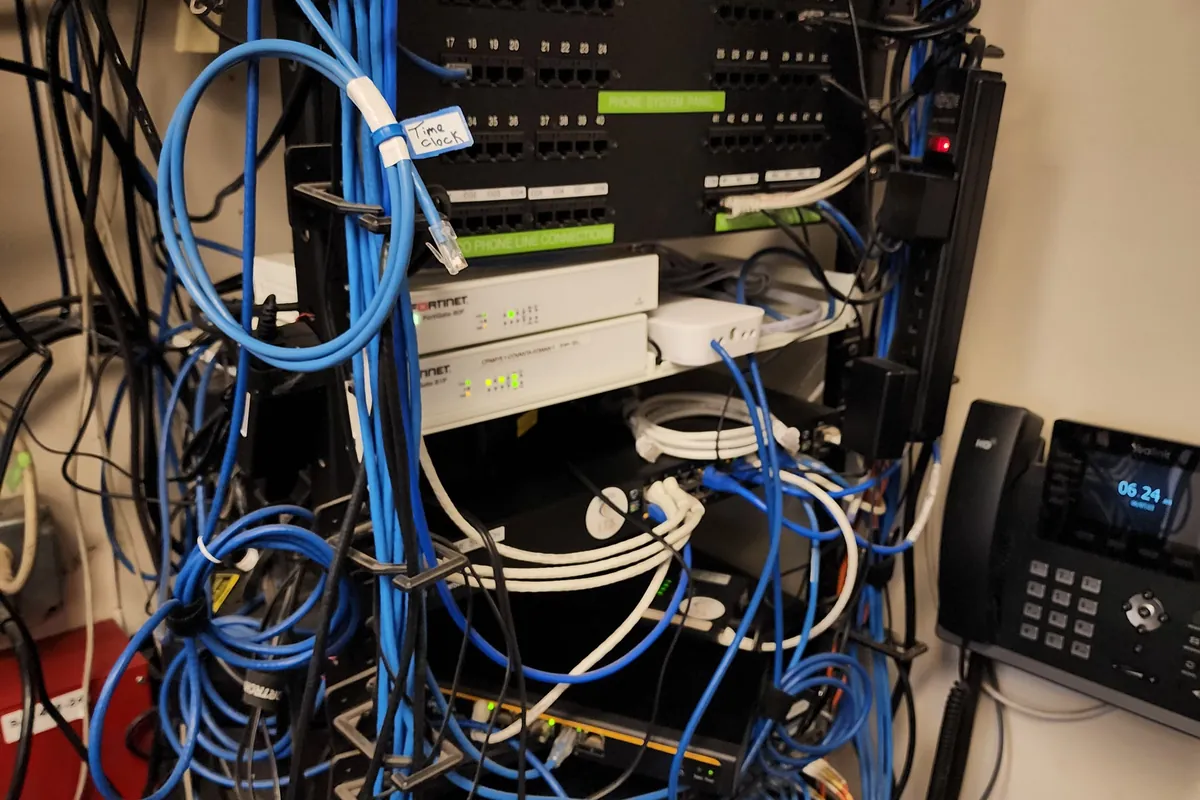
Signal and control cabling run and shielded apart from the motor circuits it sits beside.
The work
Plant work covers everything from the incoming service to the terminal block on a machine, and the jobs at either end of that range look nothing alike. One is switchgear, feeders and a load study. The other is three conductors, a gland and a drive parameter that has to be right the first time.
A plant does not measure electrical work in hours of labour. It measures it in hours of production lost, and that number is usually larger than the whole invoice. Siemens put unplanned downtime across Fortune Global 500 industrial companies at 11 percent of annual turnover in its True Cost of Downtime study, and every plant manager we meet already knows their own figure per hour. So the parts of this work that matter most are scheduling and preparation, not the wiring itself.
This region runs on food processing, feed and grain handling, packaging and light manufacturing, so most of what we see is 480V three phase, motors between a few horsepower and a few hundred, and equipment that arrives from a vendor with a wiring diagram in another language.
The vendor diagram is worth saying more about, because it is where a lot of jobs go wrong quietly. It shows the machine, not the building. It assumes a supply voltage, a grounding arrangement and a disconnect location that may or may not match what is actually there, and it very rarely mentions the lead length between the drive and the motor. Reading it against the room before anything is ordered is a cheap hour.
Most real plant work happens in a window somebody else defined: a changeover weekend, a holiday shutdown, a night between shifts. The window does not move. That single fact changes how the job has to be built.
What makes a window hold is the work done before it opens. Conduit racks bent and assembled in the shop. Wire cut to measured lengths and labelled at both ends. Gear staged in the building, not on a truck somewhere. A written sequence that says what is isolated when, who holds the keys and what gets energised in which order. If the plan starts with unloading material on Saturday morning, the window is already lost.
It also means being honest about what cannot be prefabricated. Machine connections that depend on where the equipment actually lands are measured on the day, and that time gets planned in rather than discovered. How a shutdown job is put together walks through a full window from the prep to the restart.
A machine connection is simple work with expensive failure modes. Article 430 governs it: conductor sizing from the motor full load current table rather than the nameplate, overload protection sized to the nameplate and service factor, short circuit protection sized separately, and a disconnecting means in sight of the motor unless the alternative under 430.102(B) is properly applied. Most of the burned up motors we are called to look at were protected by a breaker that was correct for the conductors and useless for the motor.
Motor control centres age in a predictable way. Buckets get warm, stabs oxidise, contactors weld, and the labelling stops matching the line after the second rebuild. When a plant asks us to look at a nuisance trip on one machine, the answer is often in the bucket rather than the machine, which is where our machine connection and motor control write up starts. For new equipment and the panels that run it, see control panels and machine wiring.
Variable frequency drives changed what a plant can do with a motor, and they also created a class of fault that did not exist before. A drive output is not a sine wave, it is a train of pulses switched at several kilohertz, so an ordinary meter on the output reads a number that means nothing. Cable capacitance to ground charges and discharges on every one of those pulses, which is why a drive can trip on ground fault with a motor that meggers perfectly. We go through the search order in why a VFD trips on ground fault.
Long motor leads are the other common trap. With a 480V drive, reflected wave effects can nearly double the voltage seen at the motor terminals once the lead length passes a few dozen feet, which is why NEMA MG1 Part 31 inverter duty insulation exists and why the cable type is not a detail. What a drive does and where it is the wrong answer is covered in what a VFD actually does, the single phase supply case is in running a drive from single phase, and when the motor simply will not turn, the order to check a three phase motor in saves a lot of guessing.
Almost every emergency call into a plant was visible beforehand. A loose lug runs warm, oxidises, runs warmer, and fails on the day the line is fully loaded. A thermal survey of the switchboard and the motor control centres under load finds those months ahead, which is what an infrared survey looks like in practice shows.
NFPA 70E requires an arc flash risk assessment and a review of the incident energy study at intervals not exceeding five years. Plants that keep to that get two things out of it: labels their own maintenance people can work to, and a current picture of what is actually connected where. Those are the same drawings that make the next shutdown go quickly. The programme side is on the preventive maintenance page and in this arc flash and maintenance job.
What this covers
If what you need is not on the list, it is still worth asking. This is what we are asked for most, not the limit of what we do.
From the incoming service down to the last sub panel.
The last few feet, where most expensive mistakes live.
Everything that makes a motor start, stop and behave.
The wiring that carries information rather than power.
Work built around a window somebody else set.
What keeps the next outage from being unplanned.
Food and beverage processing plants
Feed mills and grain handling facilities
Packaging, filling and bottling lines
Light manufacturing and fabrication shops
Woodworking and millwork plants
Warehouses with conveyors and automated handling
Machine shops and welding bays
01
You have a changeover weekend and a list that is longer than the weekend. What you need from a contractor is an honest estimate of what fits, prefabrication done beforehand, and nobody unloading material on Saturday morning.
02
A machine arrives with a diagram, a lead time and an installer who is not an electrician. We take it from the disconnect to the terminal block, set the drive, prove rotation and hand it over running.
03
Wiring methods and enclosures that survive daily sanitation, done to the requirements of the area rather than to a general catalogue. How that looks on the floor is in power for food processing equipment.
04
A trip that happens once a shift and never while anybody is watching. That is a measurement problem more than a wiring one, and it usually ends in the bucket, the drive cable or a connection that only misbehaves warm.
05
Added load against a service nobody has calculated since the plant was built. The first honest step is a load study of what is really connected, not an assumption based on the nameplate on the door.
06
NFPA 70E expects the study reviewed at intervals not exceeding five years, and most plants find the labels out of date because the plant changed. Bringing that current also brings the drawings current, which pays back at the next outage.
How a job runs
From the first visit to the labels left in the panel, this is the order it happens in.
A walk through the area with your maintenance people, because they know which machine is really the problem.
Drawings, nameplates and the existing distribution recorded as found, not as the old prints claim. See the load study write up.
A written scope, a price and a realistic length for the window, including the restart and the checks inside it.
Prefabrication: racks built, conduit bent, wire cut and labelled, gear delivered and staged before the shutdown starts.
A switching and isolation sequence agreed with your people, with lockout responsibilities named rather than assumed.
The work, then energisation, rotation checks, drive parameters and a supervised first run.
Updated schedules, labels and a marked set of drawings handed over, which is what makes the next window cheaper.
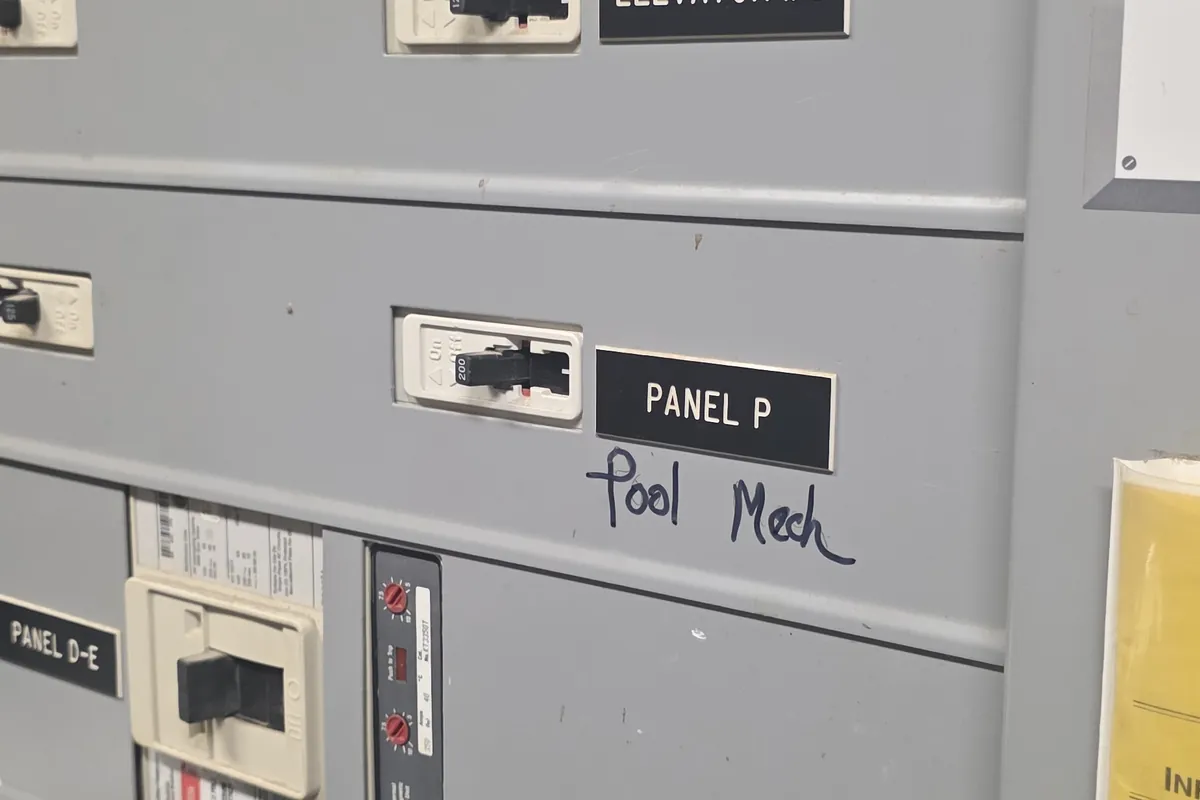
Racks bent, wire cut and labelled at both ends, gear staged inside the building. A window is won in the two weeks before it, and lost by anybody who plans to start with a delivery.
Conductors from the full load current tables, overloads from the nameplate and service factor, short circuit protection sized separately. Most burned motors we are called to look at were protected by a breaker that was right for the wire and useless for the motor.
A pulse train, not a sine wave, with cable capacitance and reflected wave effects that invent faults in perfectly good motors. That is why we ask about lead length and cable type before anybody reaches for a megger.
The switching sequence is written, agreed and named. Nobody on our crew decides on the day what gets locked out, and nothing is energised without your maintenance people knowing it is about to be.
Marked up single lines, corrected schedules and labels that match. Every outage after ours costs less because of it, which is the only maintenance argument that survives a budget meeting.
One crew, one person quoting and running the work, and a phone covered around the clock for the night a line goes down between shutdowns.
5.0 ★ on Google · Open 24 hours
Read first
Motors and controls
What does a variable frequency drive actually do, and do I need one?
Motors and controls
The drive keeps tripping on ground fault, but the motor megs clean. What is tripping it?
Motors and controls
The motor hums but will not turn, or it trips the overload on every start. Where do I begin?
Power distribution
The engineer says we need switchgear, not another panel. What is the difference?
Power distribution
Is it worth bringing three phase to the building?
Anatoly runs the crew and usually answers the phone himself. Based in Myerstown, working across Lebanon, Lancaster and Berks counties, open 24 hours.