Standby generator installation for businesses and farms
Standby generator installation, transfer switches and generator service for farms, plants and businesses in Lebanon, Lancaster and Berks counties. Sized from a real load list.
Emergency work is judged on two things: whether somebody competent picks up, and whether they tell you the truth about what happens next. Our phone is answered 24 hours because a ventilation failure at two in the morning does not wait until Monday. Some of what gets called an emergency genuinely is one, and some of it can safely wait until daylight at a fraction of the cost. We will say which on the call.
What we do
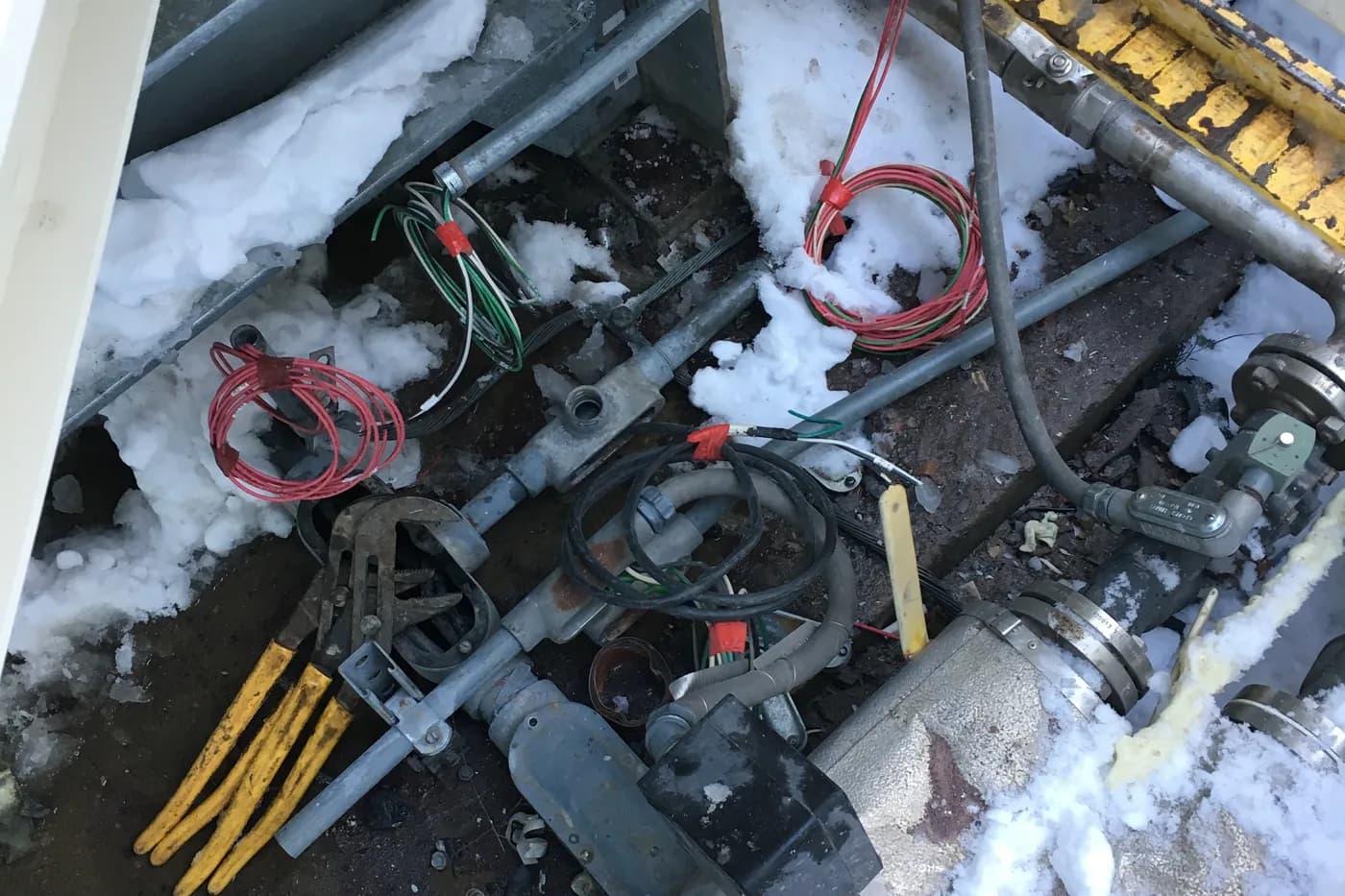
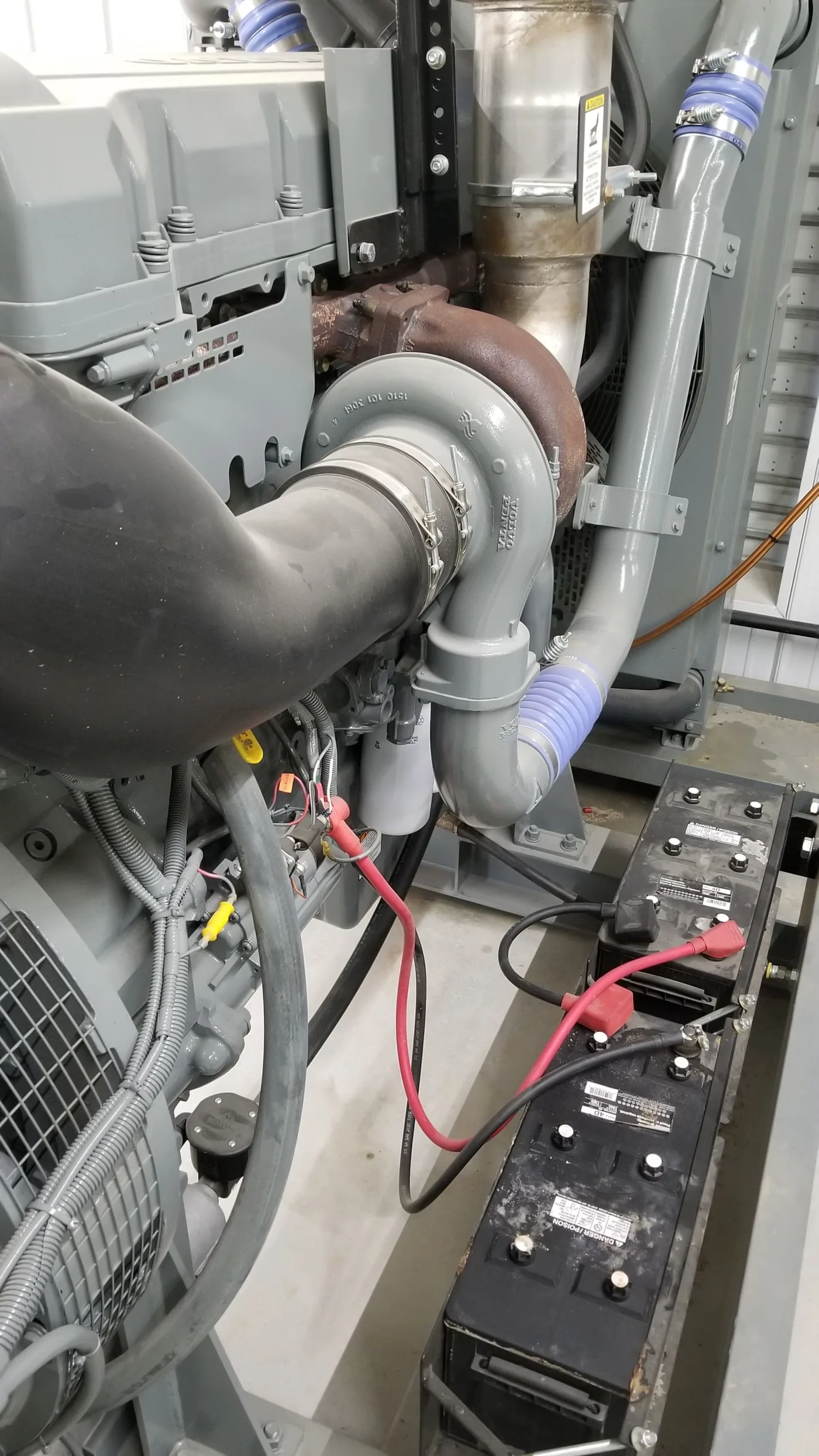
Standby generator installation, transfer switches and generator service for farms, plants and businesses in Lebanon, Lancaster and Berks counties. Sized from a real load list.
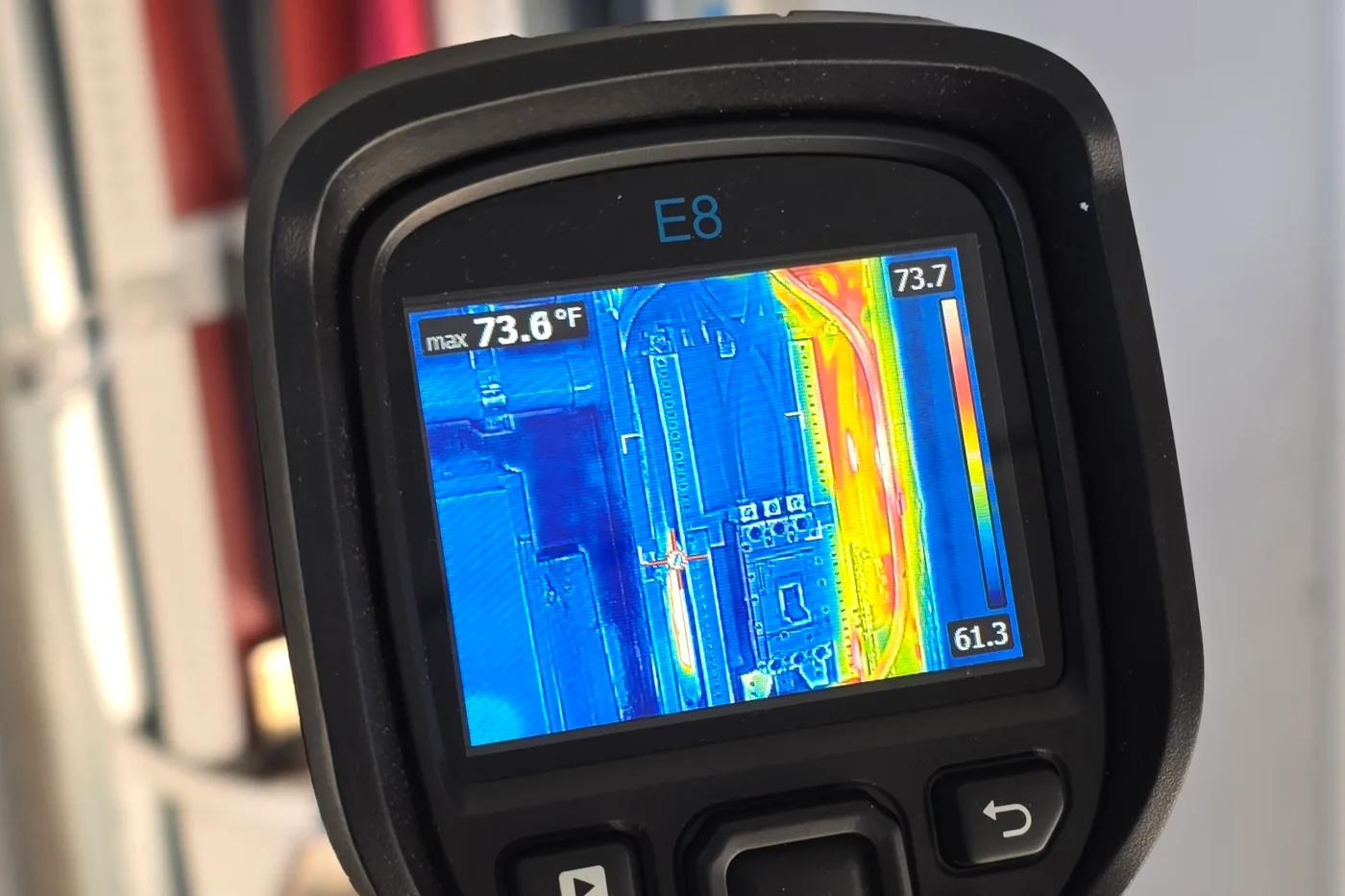
Infrared thermographic surveys, torque and insulation testing, and arc flash studies for plants and farms across Lebanon, Lancaster and Berks counties in Pennsylvania.
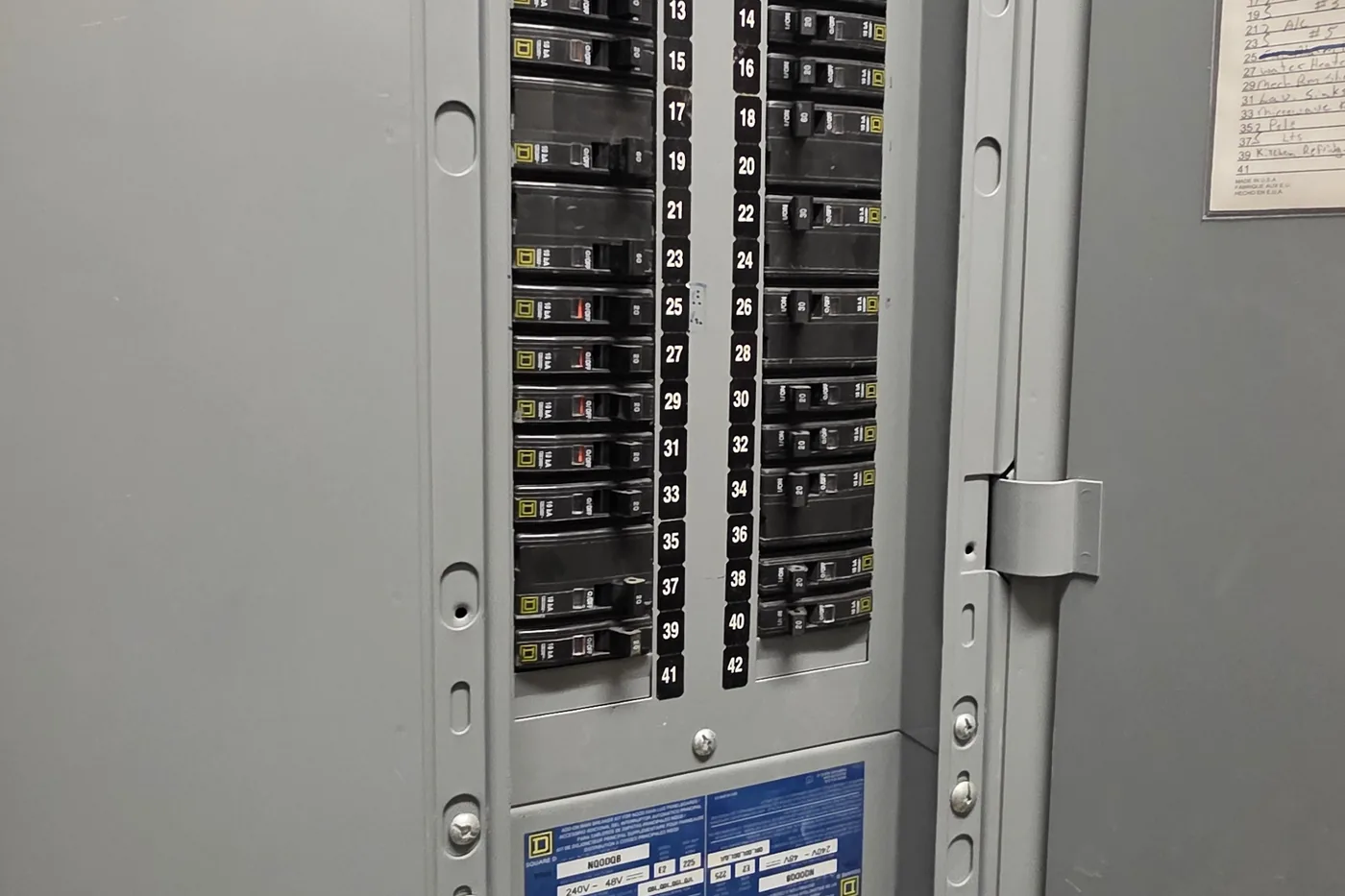
Electrical service and panel upgrades for farms, plants and businesses in Lebanon, Lancaster and Berks counties. Load calculation, utility coordination and a clean changeover.
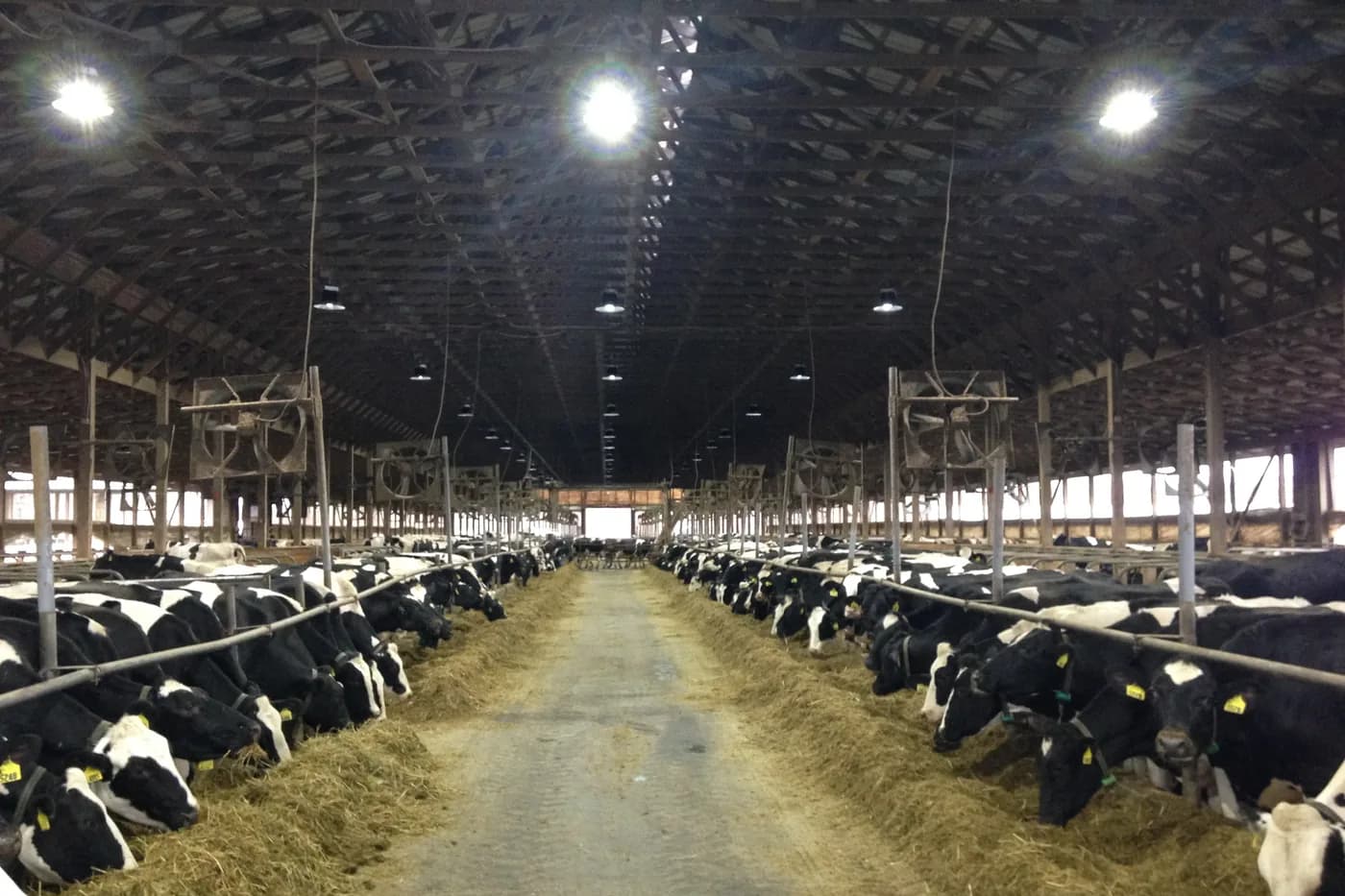
Electrical work for poultry houses, dairy barns and grain systems across Lebanon, Lancaster and Berks counties: ventilation, controls, standby power and farm services.
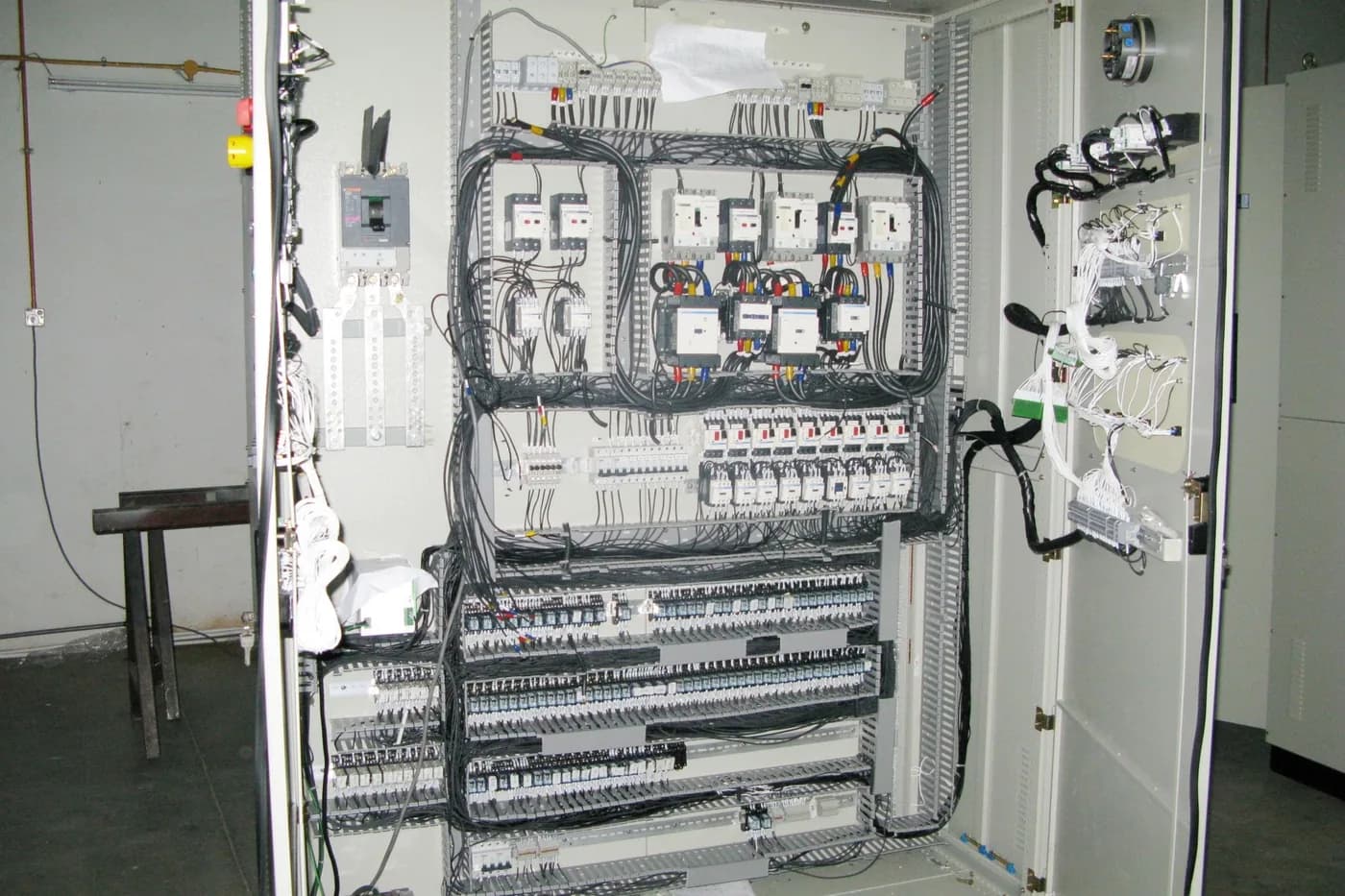
Control panel building, machine wiring, motor control, PLC and VFD work for plants and farms across Lebanon, Lancaster and Berks counties in Pennsylvania.
What it is
The test is simple. Is something unsafe right now, or is something losing money or livestock every hour it stays off? If either is true, call at whatever hour it is. If neither is, morning is usually the better answer for everybody.
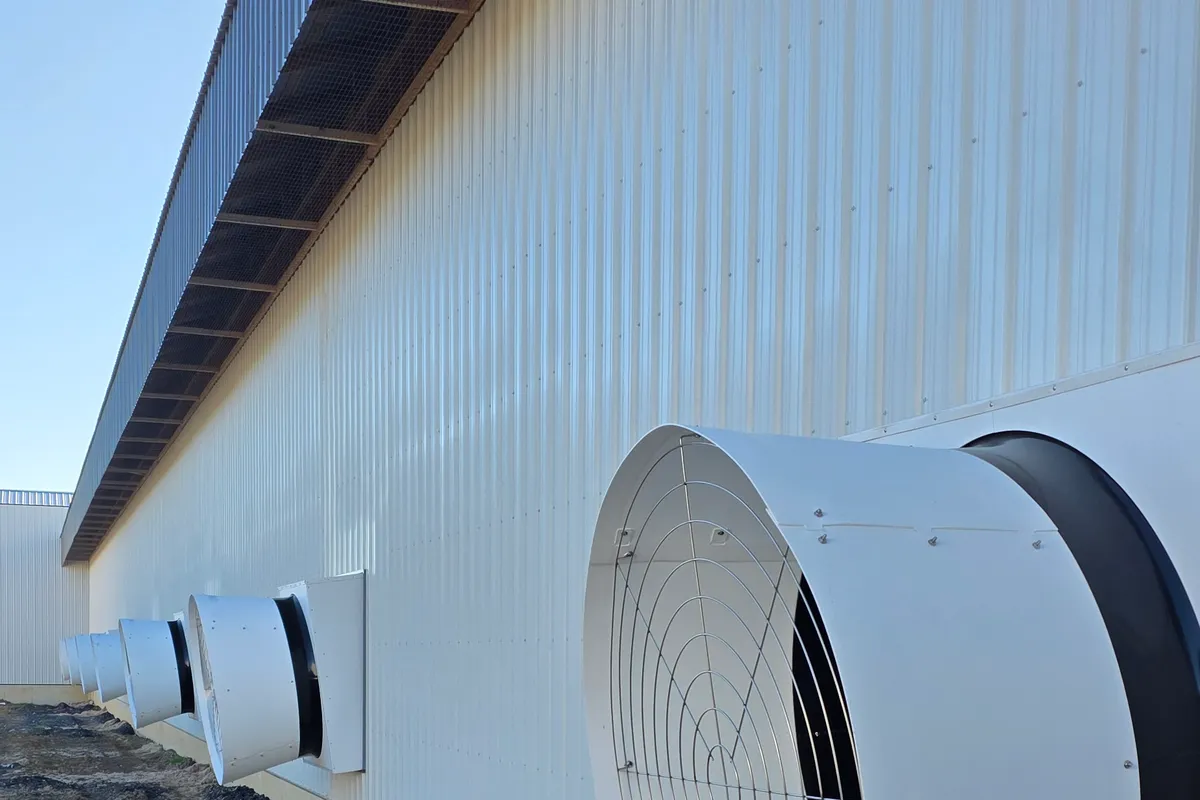
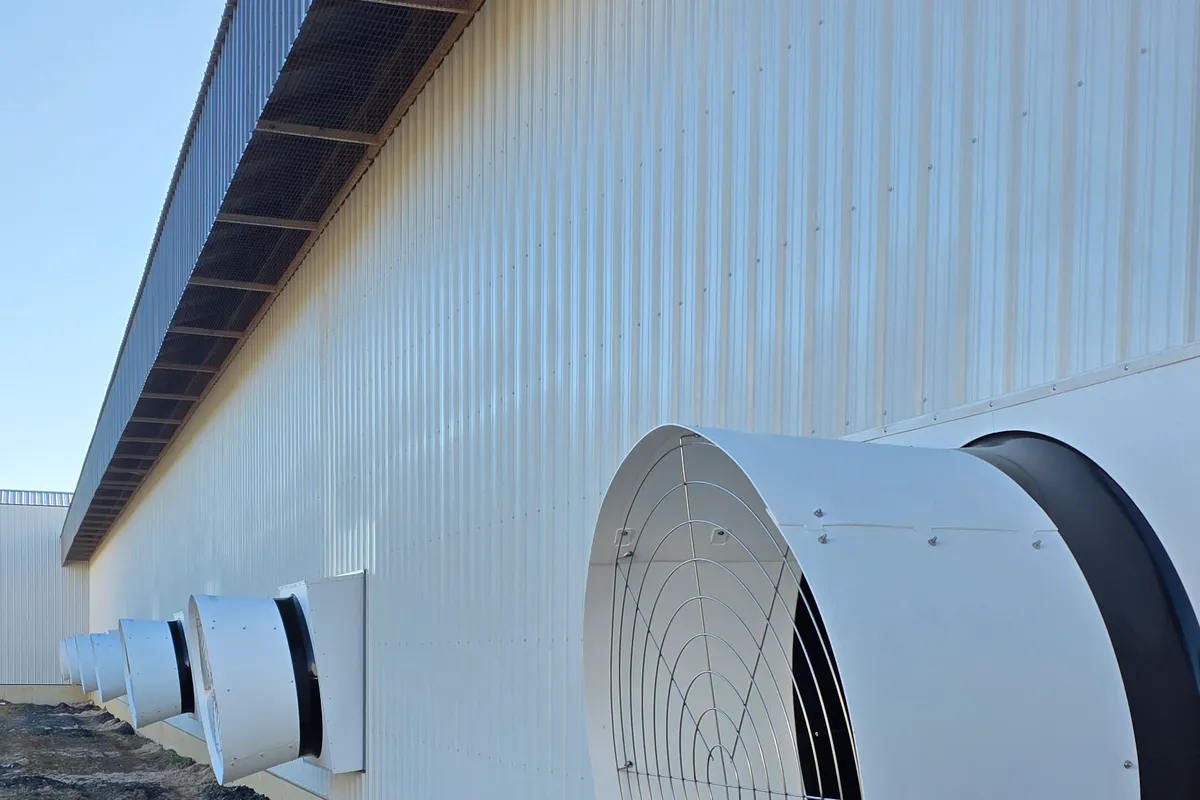
On a farm the clock is not measured in hours of lost trading, it is measured in animals. A tunnel ventilated poultry house on a hot afternoon has very little thermal margin once the fans stop, and extension guidance on emergency power for poultry production is consistent on the point: losses begin in minutes, not hours. A dairy has more time, but a parlour that cannot run still has a herd waiting and milk that has to stay cold.
So a ventilation call is handled differently from a lighting call. We ask what has curtains, what can be opened, what the alarm did and whether the standby set tried to start. The useful thing to know meanwhile is that the fault is usually upstream of the fans: a controller, a contactor, a lost phase or a transfer switch that sat still. Ventilation and controller power in a poultry house covers the arrangement, and the wider farm side is on the agricultural page.
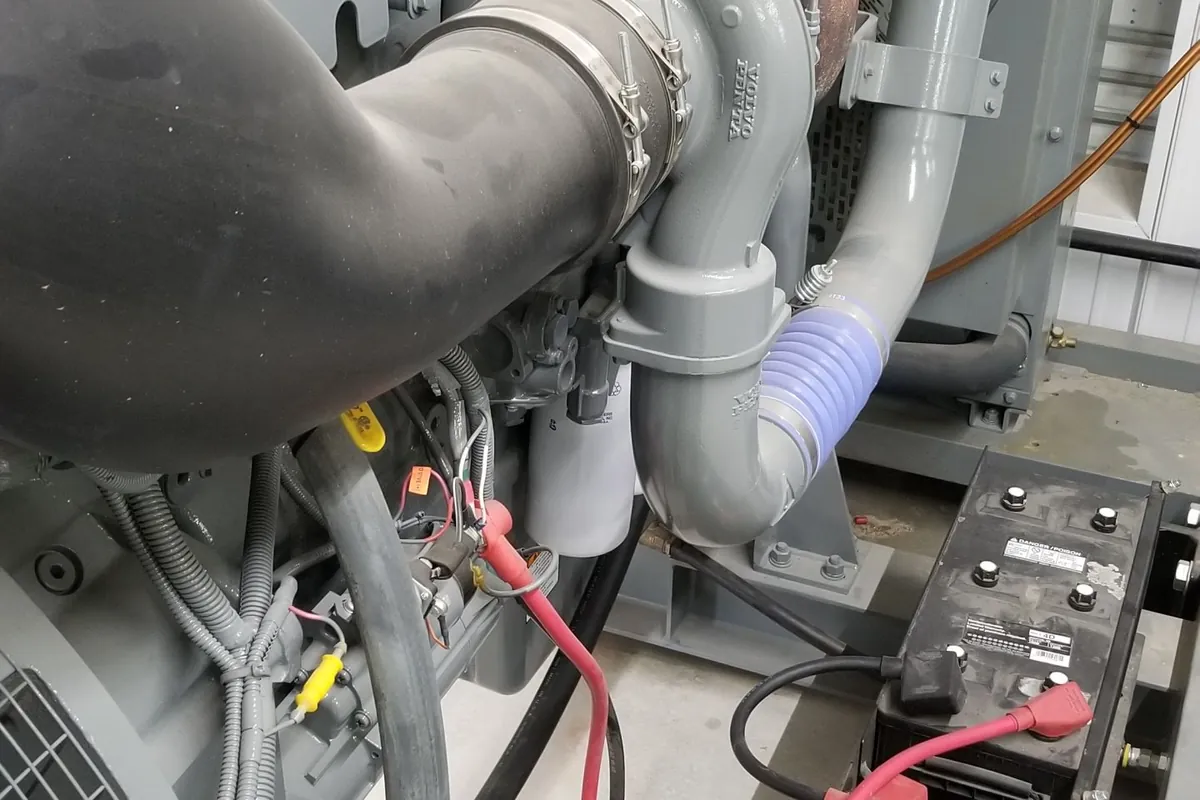
After a night like that the conversation is about standby power and alarms rather than about the fault, because a generator sized from the service instead of from the starting load will not pick the fans up. That arithmetic is in why a generator that looks big enough still stalls.
A lot of night work splits into two halves. The first is making the situation safe and getting back whatever can be got back: isolating a faulted circuit, replacing a failed breaker or contactor from the van, re-terminating a burned lug, feeding the critical loads temporarily so the fans run and the cooler holds. That half we can usually do on the night.
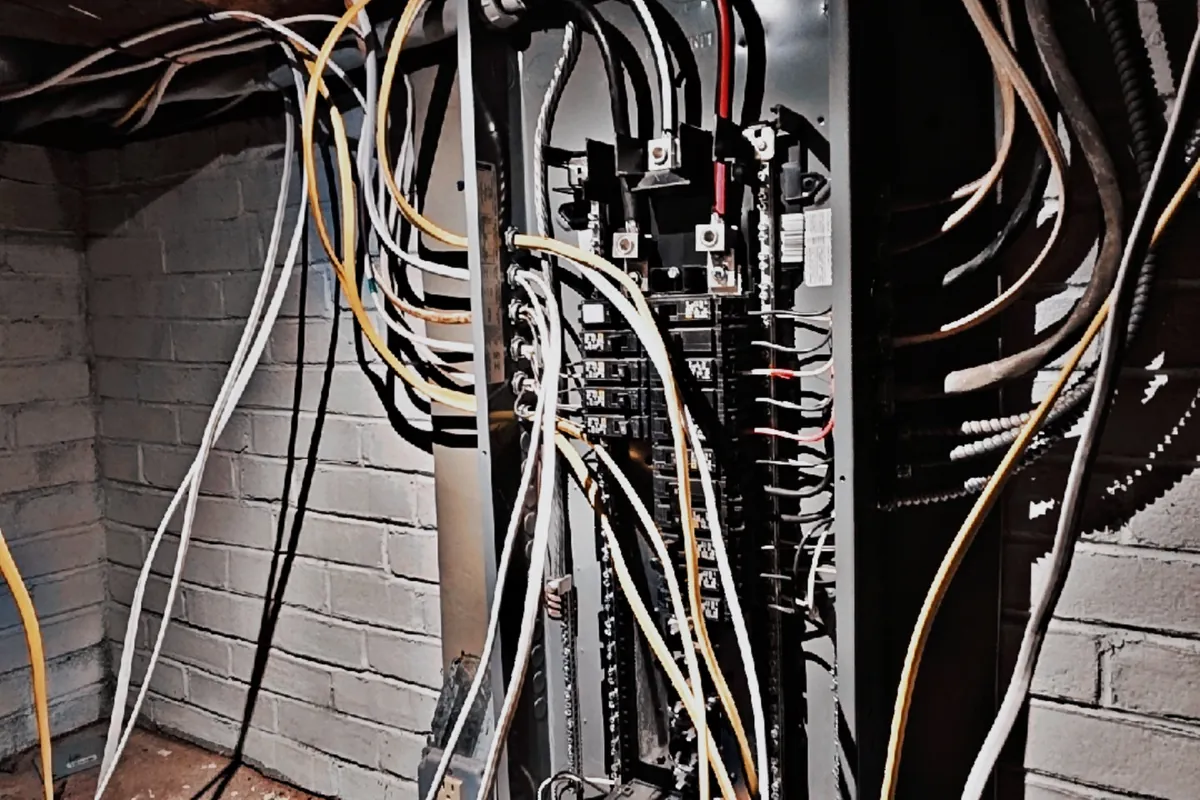
The second half often cannot be done at three in the morning, and pretending otherwise helps nobody. Meter equipment and service conductors mean the utility has to be involved. A burned panel is a replacement rather than a repair, which is a scheduled job with a permit and an inspection, as when a panel needs replacing rather than repairing explains. Mast work in ice or wind waits for weather. Anything we leave temporary is written down as temporary, with what remains outstanding.
After hours labour costs more than daytime labour. That is true of every electrician and we would rather say it than bury it. It is also why we will tell you on the phone when something can safely wait, and what to switch off so that it can.
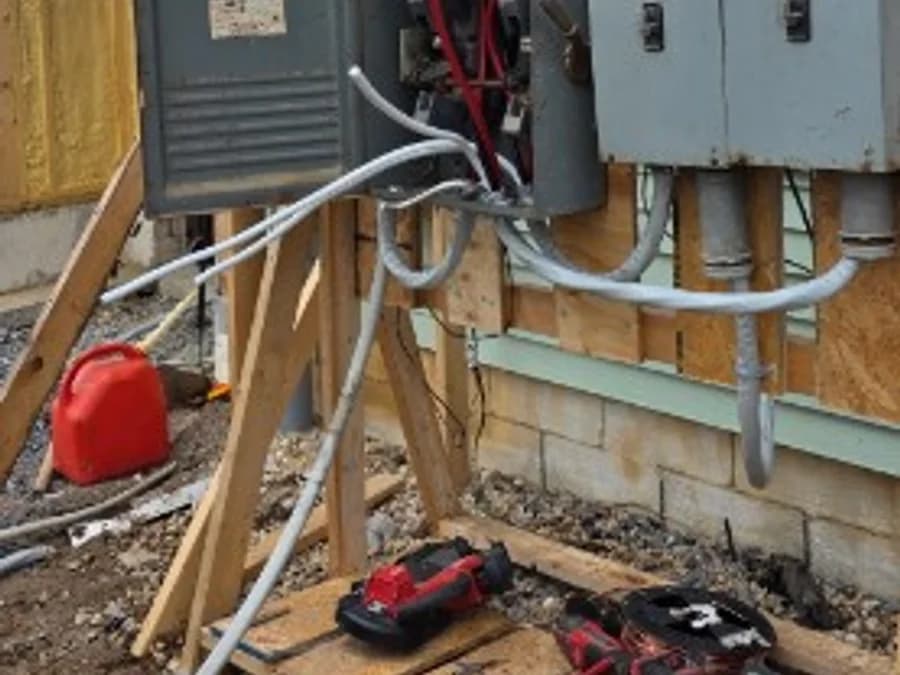
Three failures make up most commercial and farm emergency calls. The first is a lost phase or a lost leg, which shows up as half a building working, single phase motors running and three phase motors humming, getting hot and stalling. Damage accumulates immediately, so isolating the motors is the first thing to do while help is on the way, and the diagnosis order is in why a three phase motor will not start.
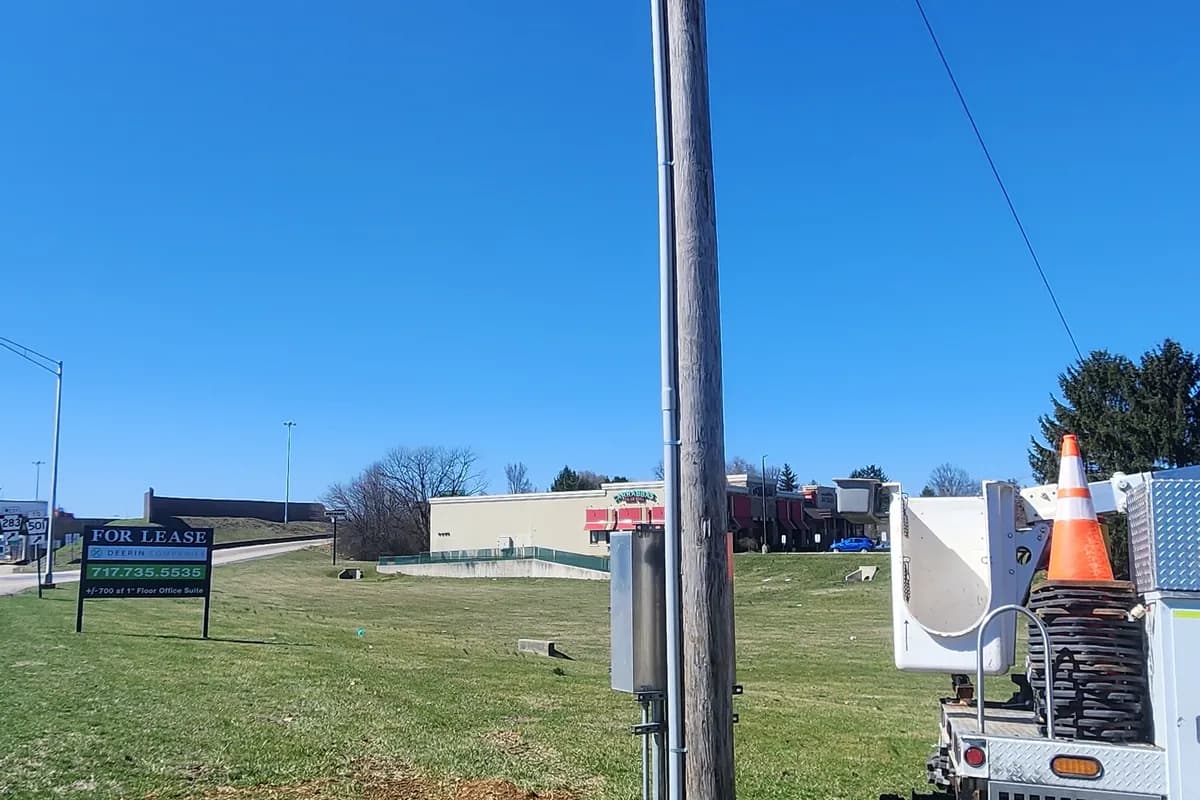
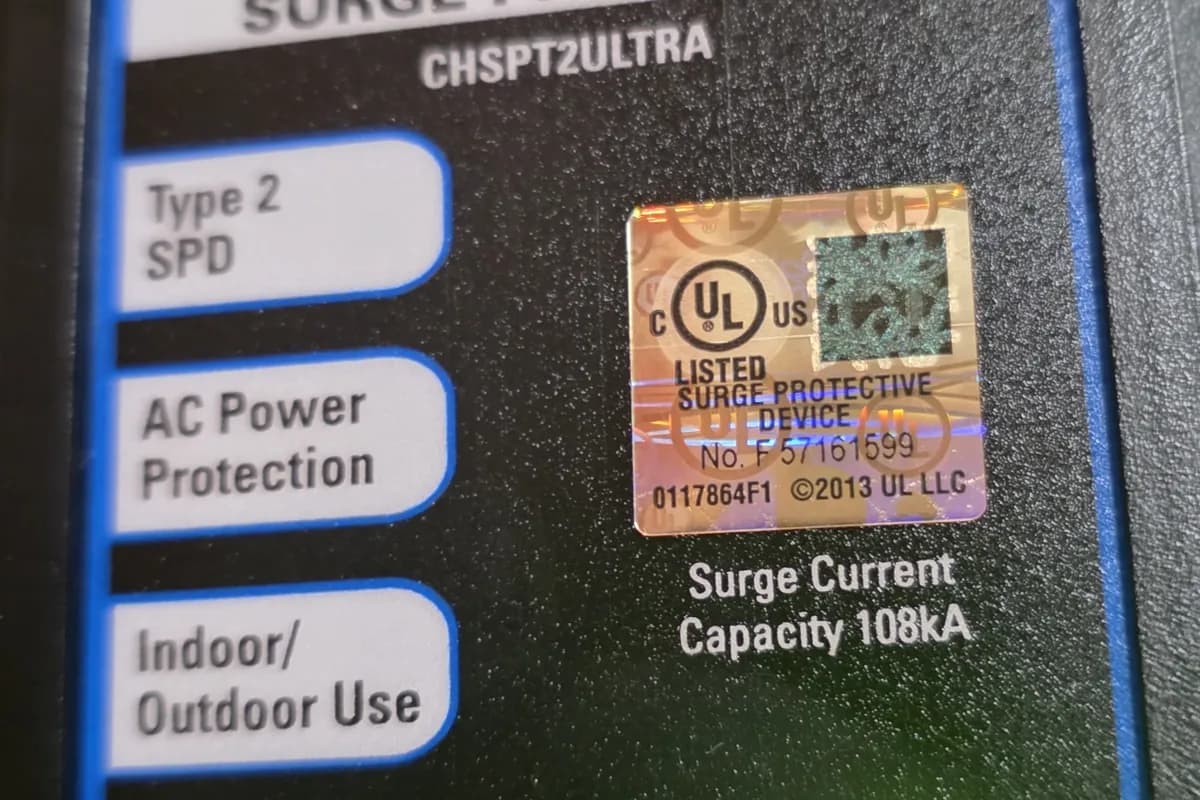
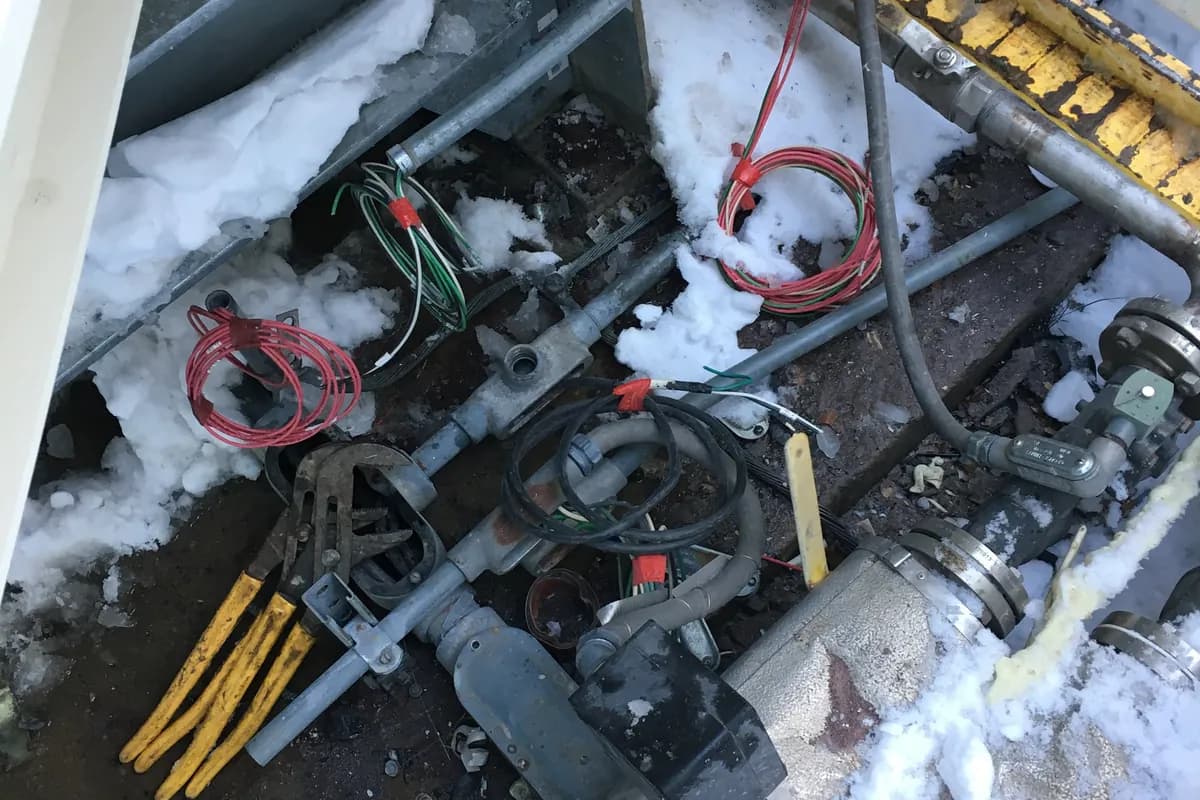
The second is the service entrance itself: a burned lug, a corroded meter socket, a mast pulled loose by ice or a branch. That work is coordinated with the utility, sometimes on the night and sometimes at first light, as in rebuilding an overhead drop and service pole. The third is a storm. Lightning rarely destroys everything at once. It takes out a controller here, a drive there and a board in the dryer, and the failures surface over the following week. That is the argument for surge protection at the service, which is cheap next to one controller.
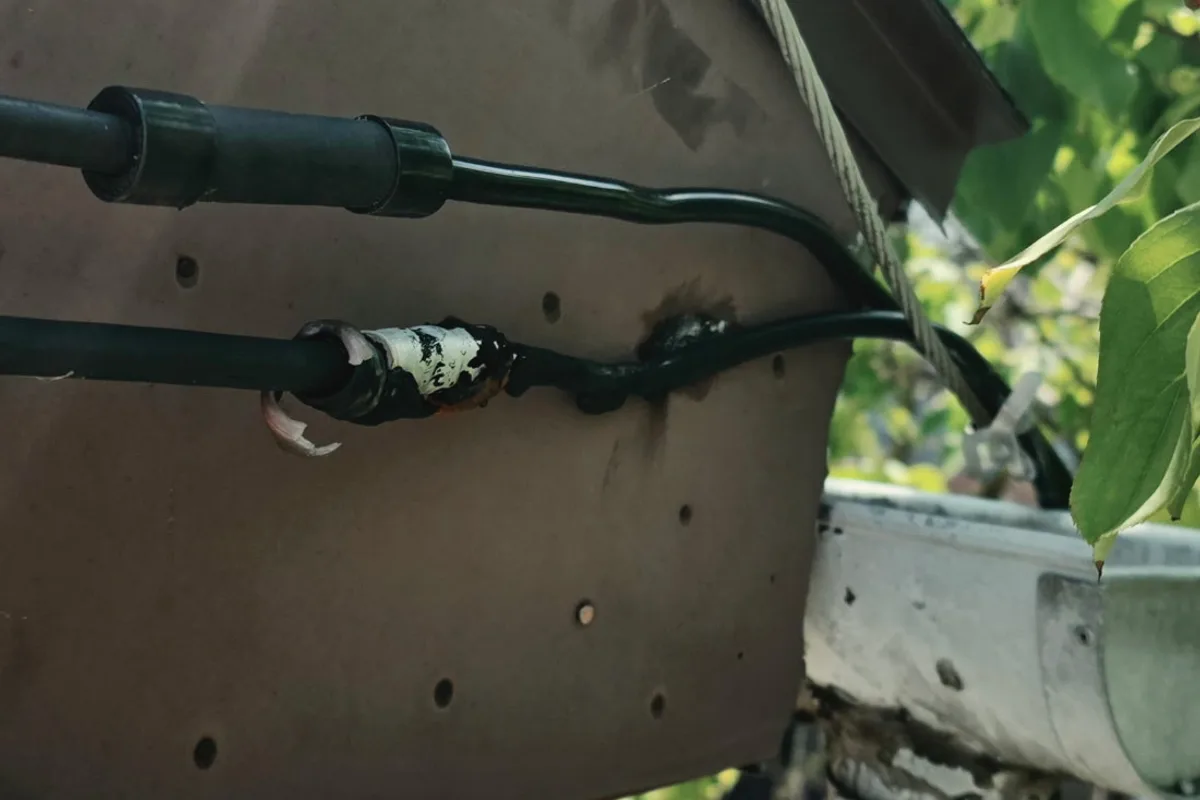
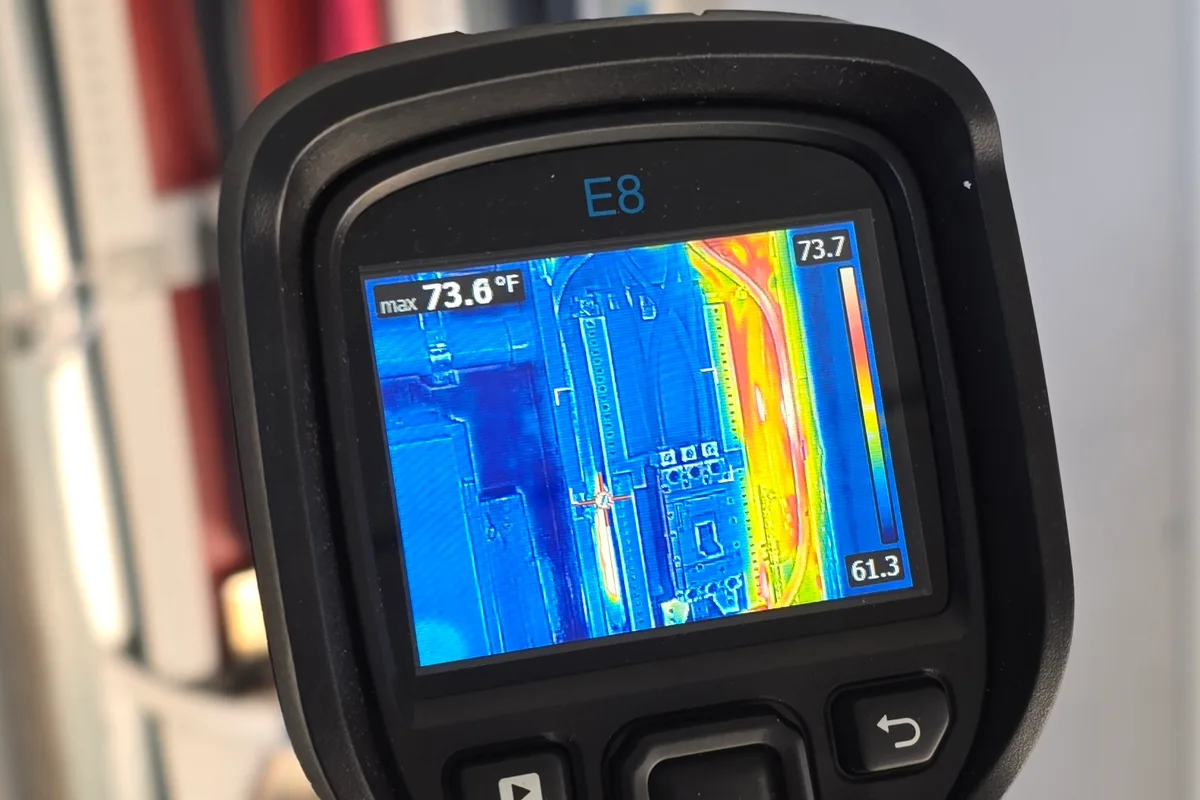
A loose or oxidised connection does not fail suddenly. It runs a few degrees warm, oxidises a little more, runs warmer, then lets go on the coldest night or the hottest afternoon, because that is when the load is highest. Under a thermal camera it is obvious long before it is obvious to anyone else, which is the whole point of a scanned switchboard and why a yearly survey costs less than one call out.
The same is true of standby equipment. Generators that are not exercised do not start, and transfer switches that have not moved in three years do not transfer. What that inspection involves is on the preventive maintenance page, and an account of one winter failure describes the night when none of it was done.
What this covers
If what you need is not on the list, it is still worth asking. This is what we are asked for most, not the limit of what we do.
The building is dark, or worse, half dark.
Anything that is unsafe right now rather than inconvenient.
Where the clock is measured in animals rather than hours.
Down time with a per hour number attached.
Weather, vehicles and lightning.
Closing out what was left temporary.
Poultry houses and livestock barns
Dairy parlours, bulk tank and milk rooms
Food processing plants and packing lines
Retail units, restaurants and offices
Warehouses and cold storage
Farm service entrances and yard distribution
Workshops and light industrial units
01
The call that cannot wait for morning. We ask what has curtains, what can be opened and whether the standby set tried to start, because the first ten minutes are yours and they matter more than our drive time.
02
A parlour down with a herd waiting, or a bulk tank that has stopped holding. Both have a deadline attached, and both are usually a contactor, a control circuit or a lost leg rather than the equipment itself.
03
Product part way through a process and a shift standing in it. We would rather get you finishing the run tonight and do the permanent repair properly in a planned window.
04
Restaurants, stores and cold storage where the loss is in the walk in rather than in the till. Getting refrigeration back on a temporary feed is usually the first move, and we say plainly that it is temporary.
05
This is the call we would rather have too early than too late. Switch it off at the main if you can do so safely, then call. Nothing about a hot panel improves by waiting to see.
06
A mast pulled loose, a drop down in a field, equipment that died in a strike. Some of it is ours, some of it is the utility's, and the first useful thing we can do is tell you which is which.
How a job runs
From the first visit to the labels left in the panel, this is the order it happens in.
The phone is answered by somebody who does this work, not a call centre taking a message for the morning.
A few questions: what stopped, what is still on, what it smells like, what the breaker did and what changed recently.
Immediate advice on what to isolate or open up, because the first ten minutes are yours.
An honest time of arrival, based on where the truck is and what county you are in, rather than a number that sounds good.
On site: make it safe first, then find the fault, then restore what can be restored tonight.
A clear statement of what is temporary, what is permanent and what still needs the utility, a part or daylight.
A follow up to close out the temporary work and, where it applies, a maintenance check so it does not repeat.
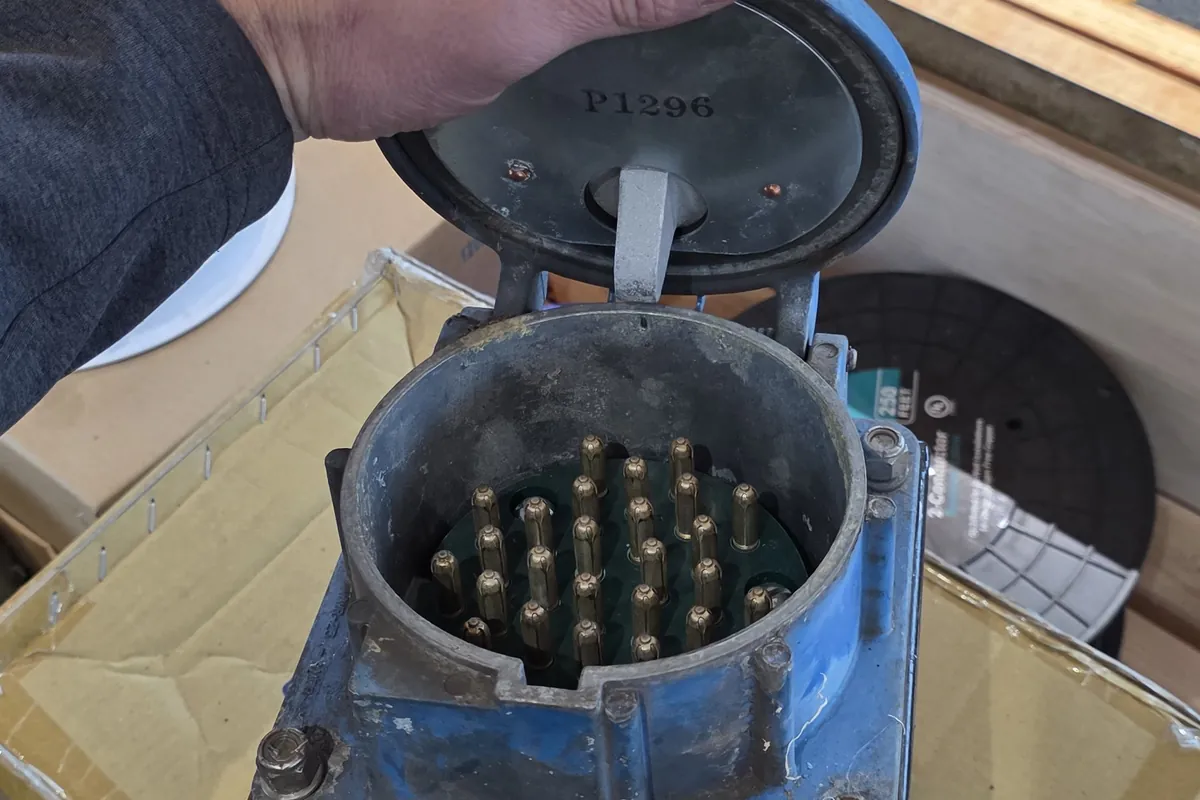
Not an answering service taking a message for the morning. The person on the phone is the person deciding what happens next, which is why the advice in the first two minutes is usually worth something.
Night labour costs more, here as anywhere. The honest version of that is saying which faults are safe until daylight and what to switch off so they are, rather than billing a call out for something that could have waited.
A ventilation call at two in the morning is a kind of job we have done many times, not an unusual one. That shows in the questions asked on the phone and in what is already on the truck.
If something is rigged to get you through the night, you get it in writing along with what remains outstanding. Nothing is quietly left in place to be discovered by the next electrician.
A fast, correct answer about where the fault sits saves hours. If neighbouring properties are dark or the conductors are theirs, we will say so immediately instead of billing you to find out.
The follow up conversation is about why it happened: an exercise schedule nobody kept, missing surge protection, a connection that had been running warm for a year. Most emergency calls are a maintenance conversation that arrived late.
5.0 ★ on Google · Open 24 hours
Read first
Motors and controls
The motor hums but will not turn, or it trips the overload on every start. Where do I begin?
Service and panels
How do I know if the panel needs replacing or just repairing?
Standby power
What maintenance does a standby generator actually need, and how often?
Motors and controls
The drive keeps tripping on ground fault, but the motor megs clean. What is tripping it?
Service and panels
The panel directory says kitchen and there is no kitchen. How do I fix this?
Anatoly runs the crew and usually answers the phone himself. Based in Myerstown, working across Lebanon, Lancaster and Berks counties, open 24 hours.