Industrial electrical services for Pennsylvania plants
Industrial electrical contracting for plants in Lebanon, Lancaster and Berks counties: distribution, machine connection, motor control, drives and shutdown work.
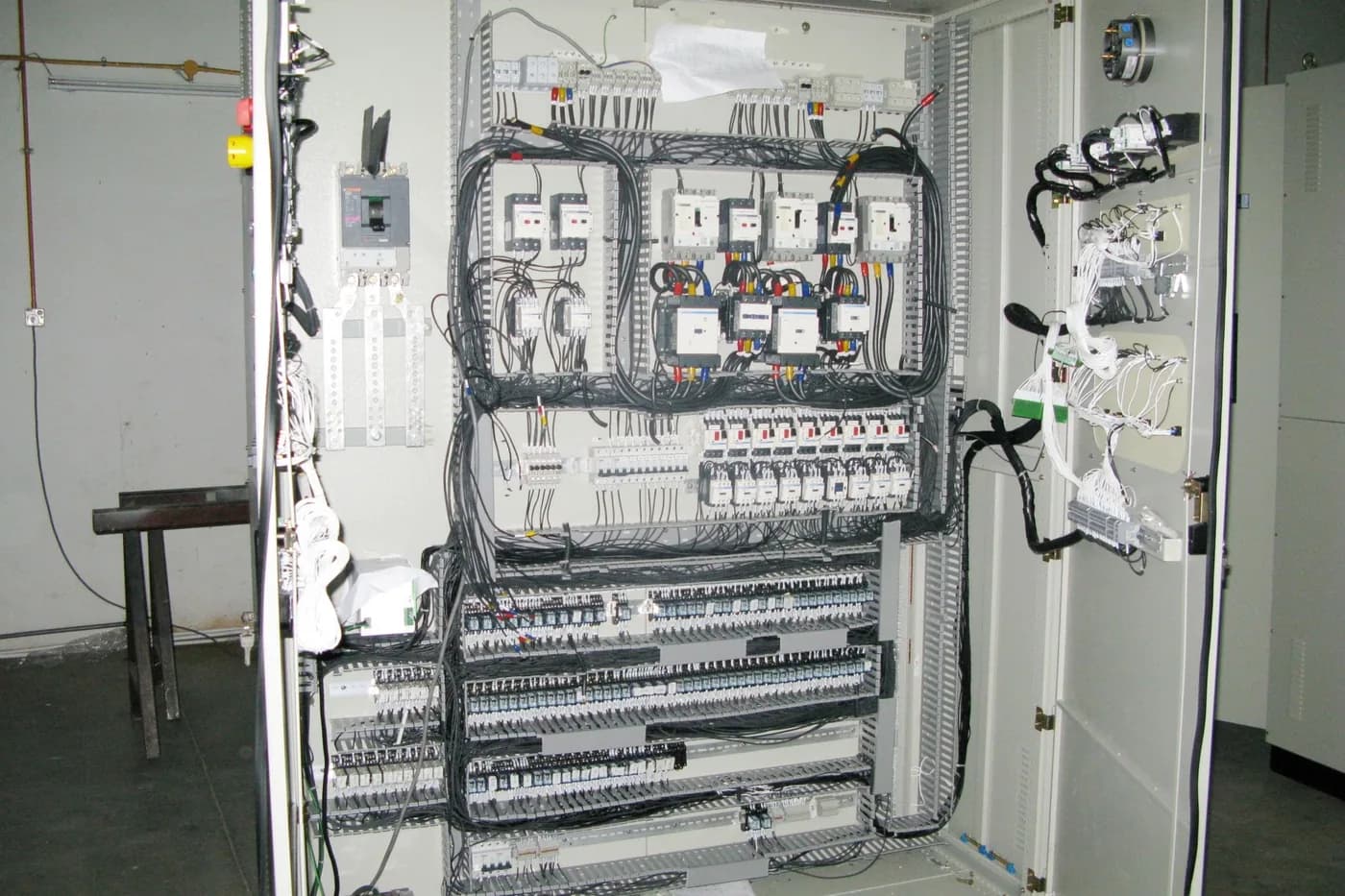
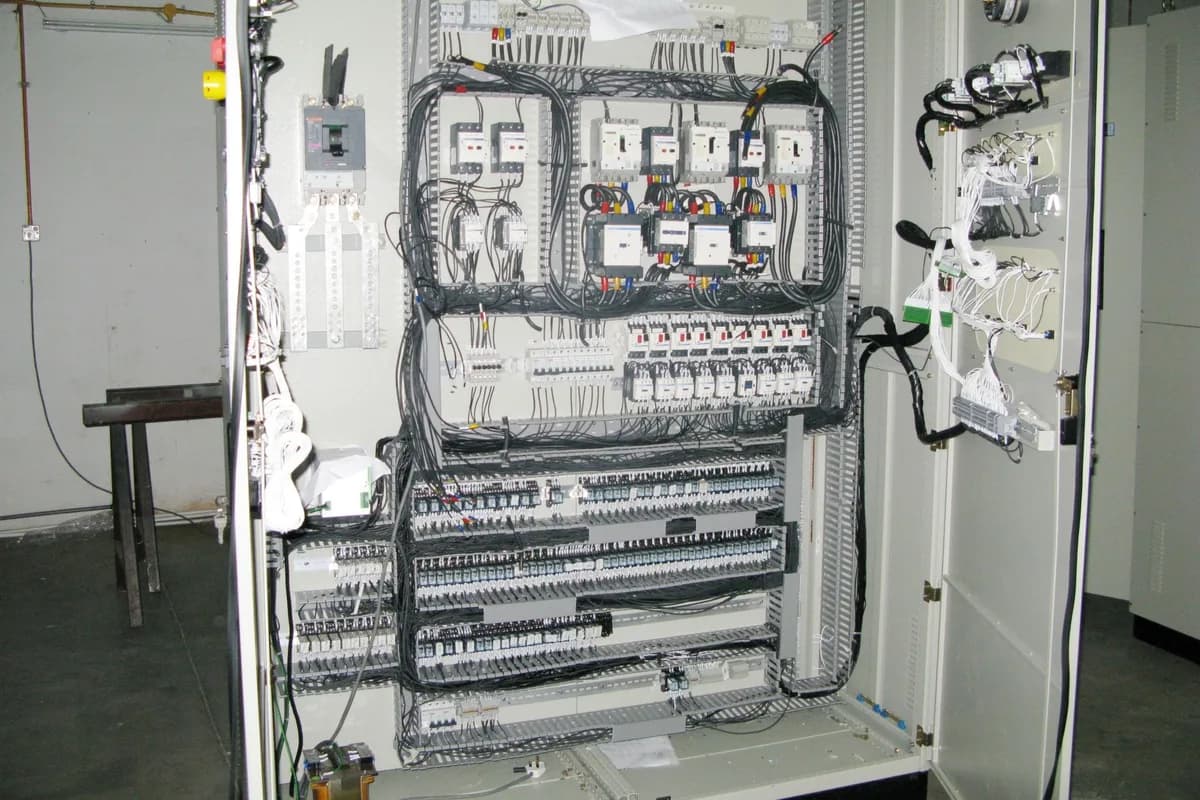
A control panel is the part of a plant that gets opened at two in the morning by somebody who did not build it. That one fact should decide how it is laid out, wired and labelled. Most of what makes a panel good is invisible while it runs and obvious the first time it stops.
What we do
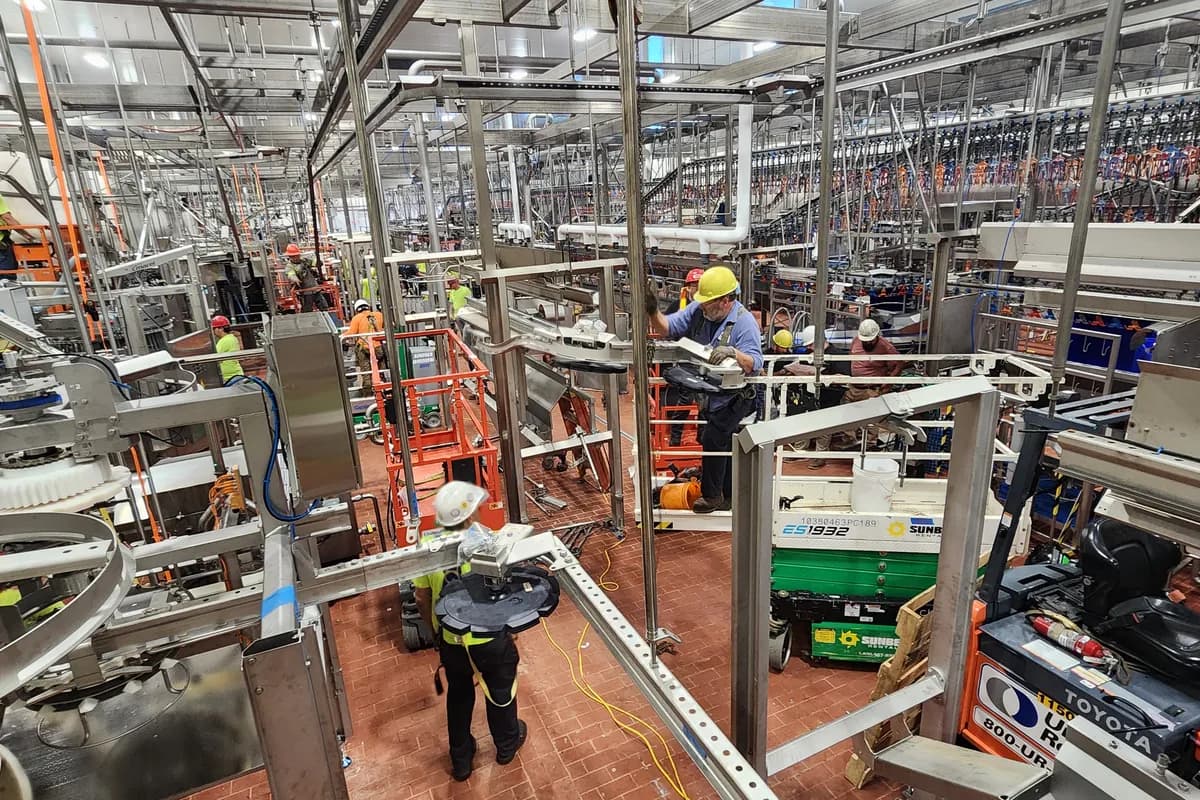
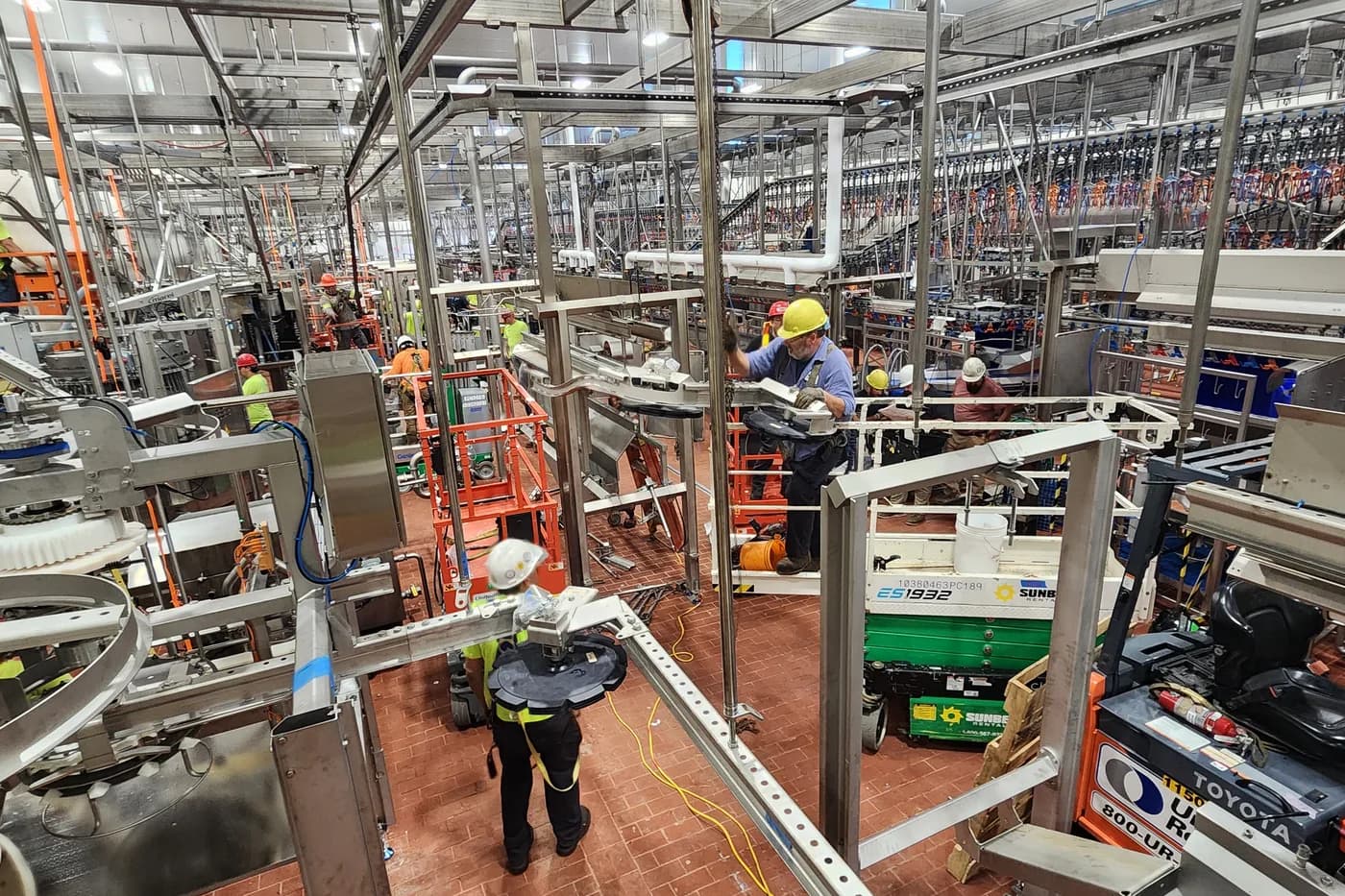
Industrial electrical contracting for plants in Lebanon, Lancaster and Berks counties: distribution, machine connection, motor control, drives and shutdown work.
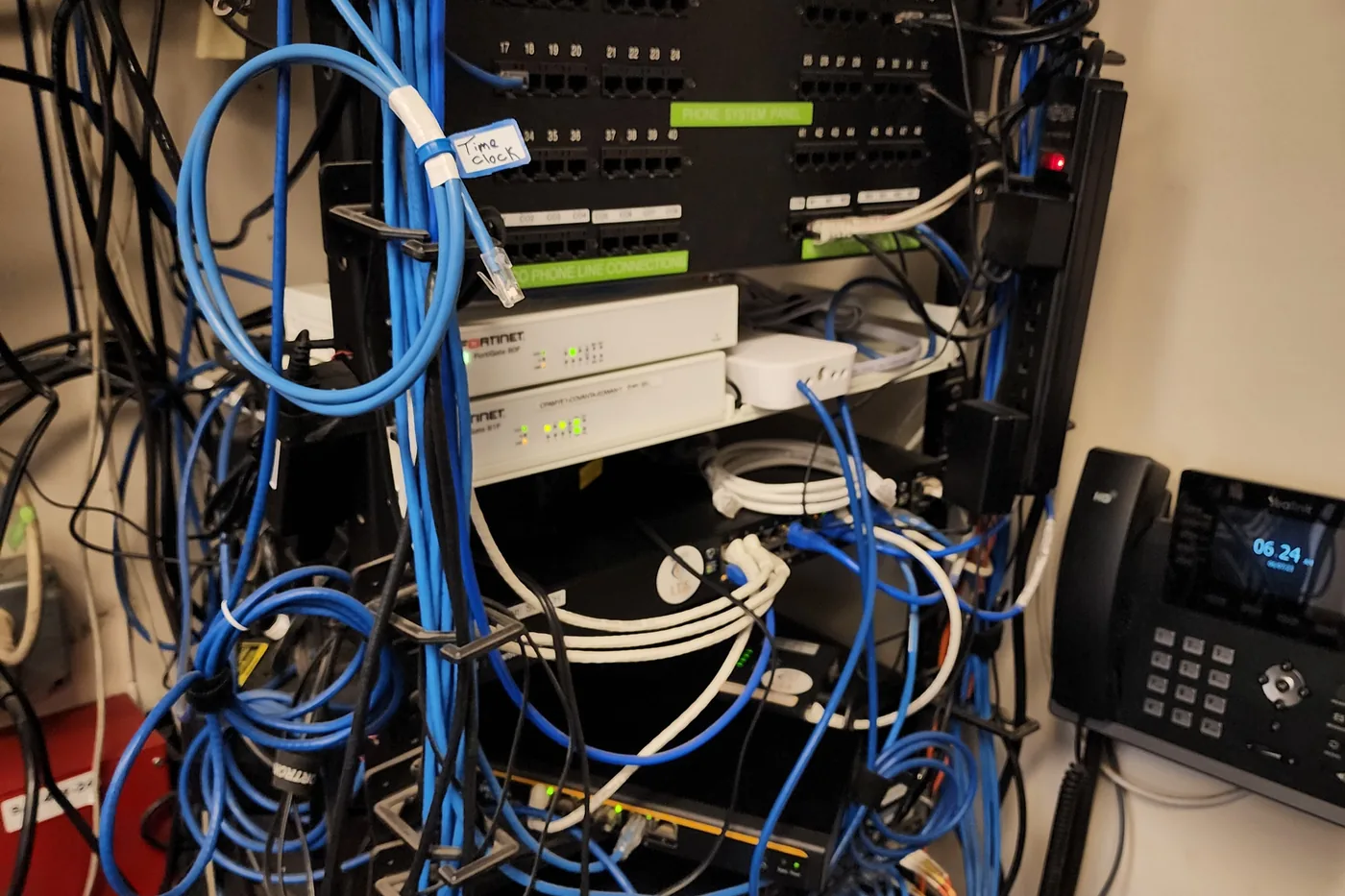
Structured cabling, camera and access control wiring, and controls cabling for plants, offices and farms across Lebanon, Lancaster and Berks counties in Pennsylvania.
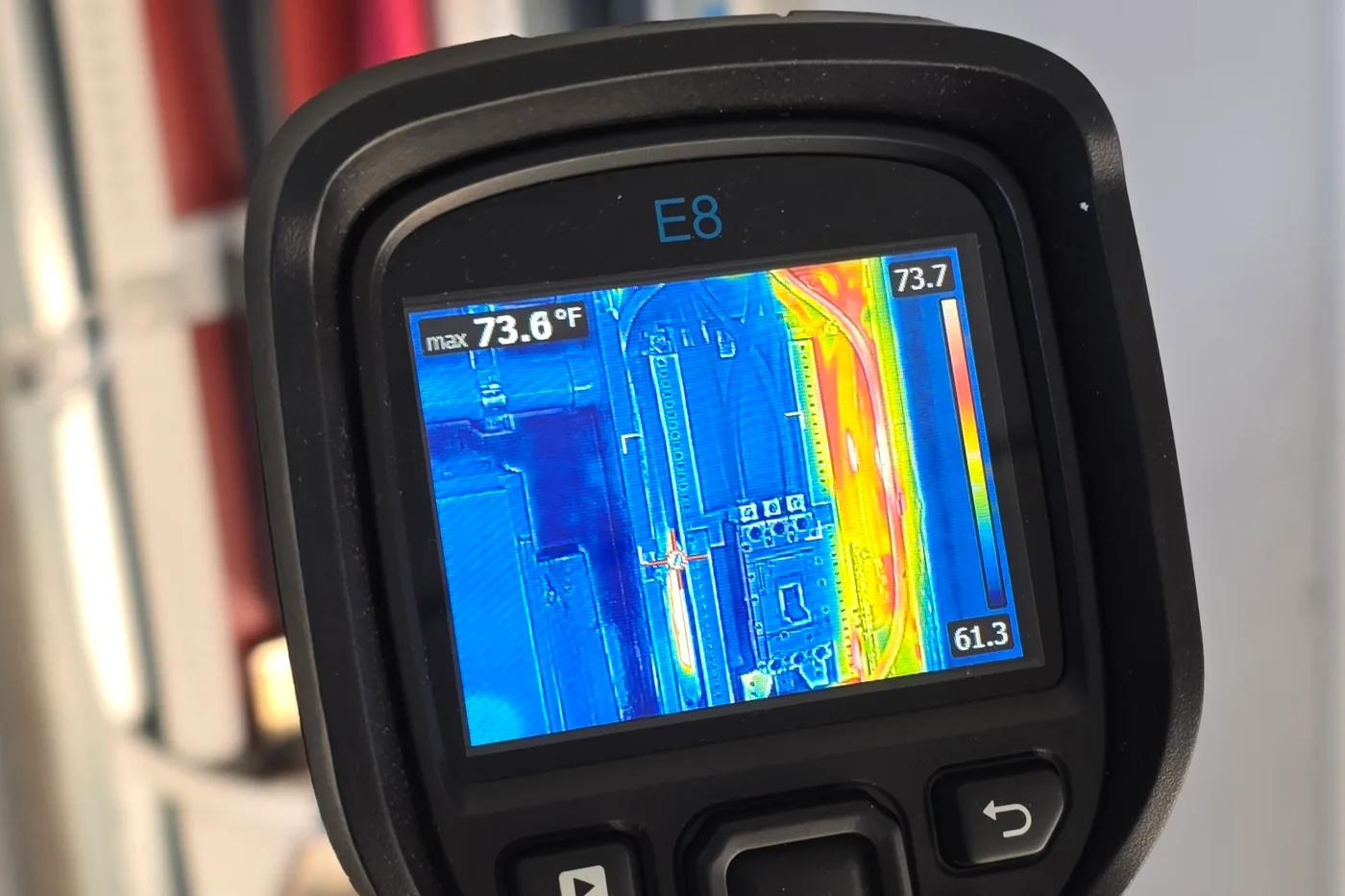
Infrared thermographic surveys, torque and insulation testing, and arc flash studies for plants and farms across Lebanon, Lancaster and Berks counties in Pennsylvania.
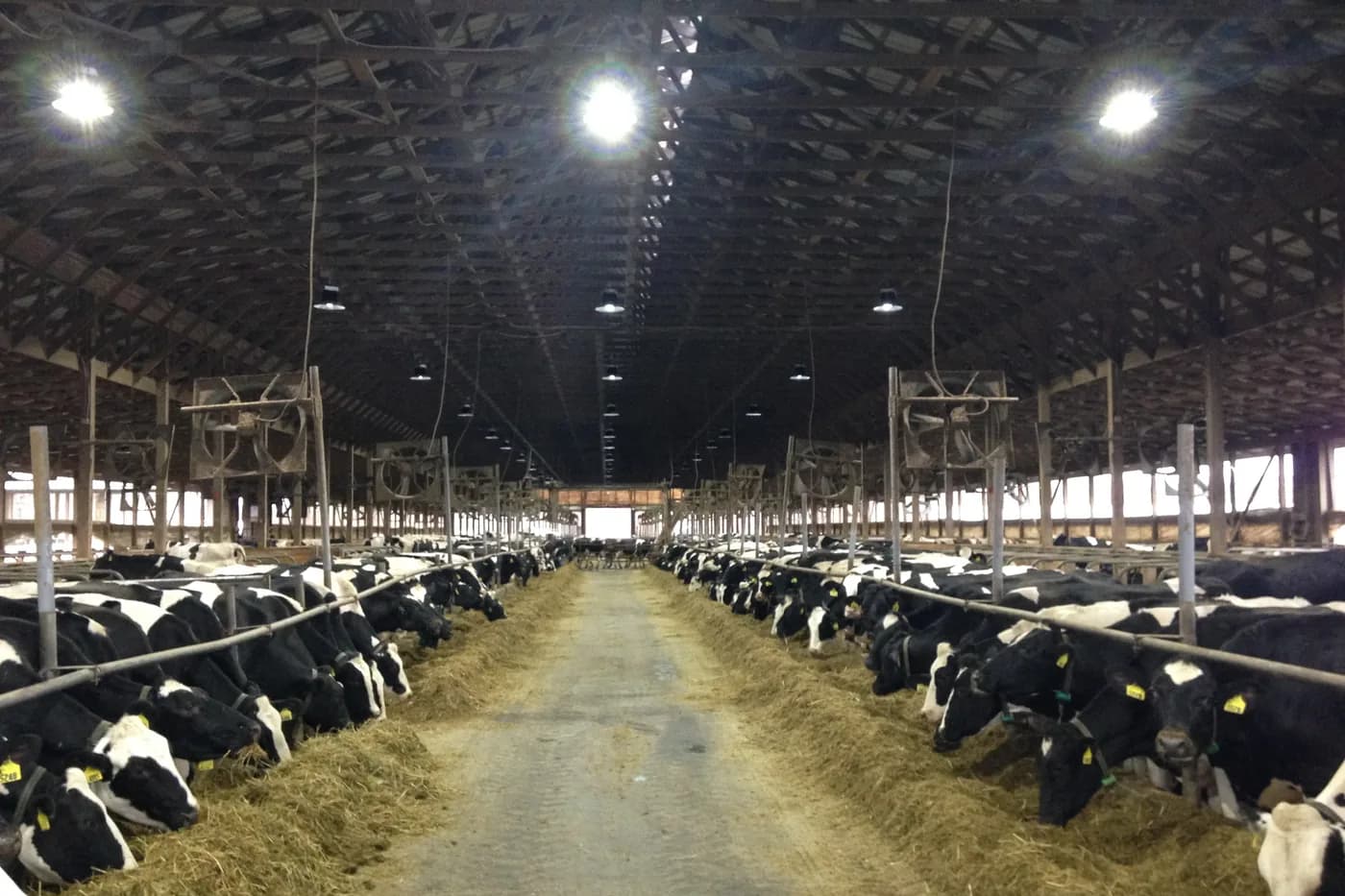
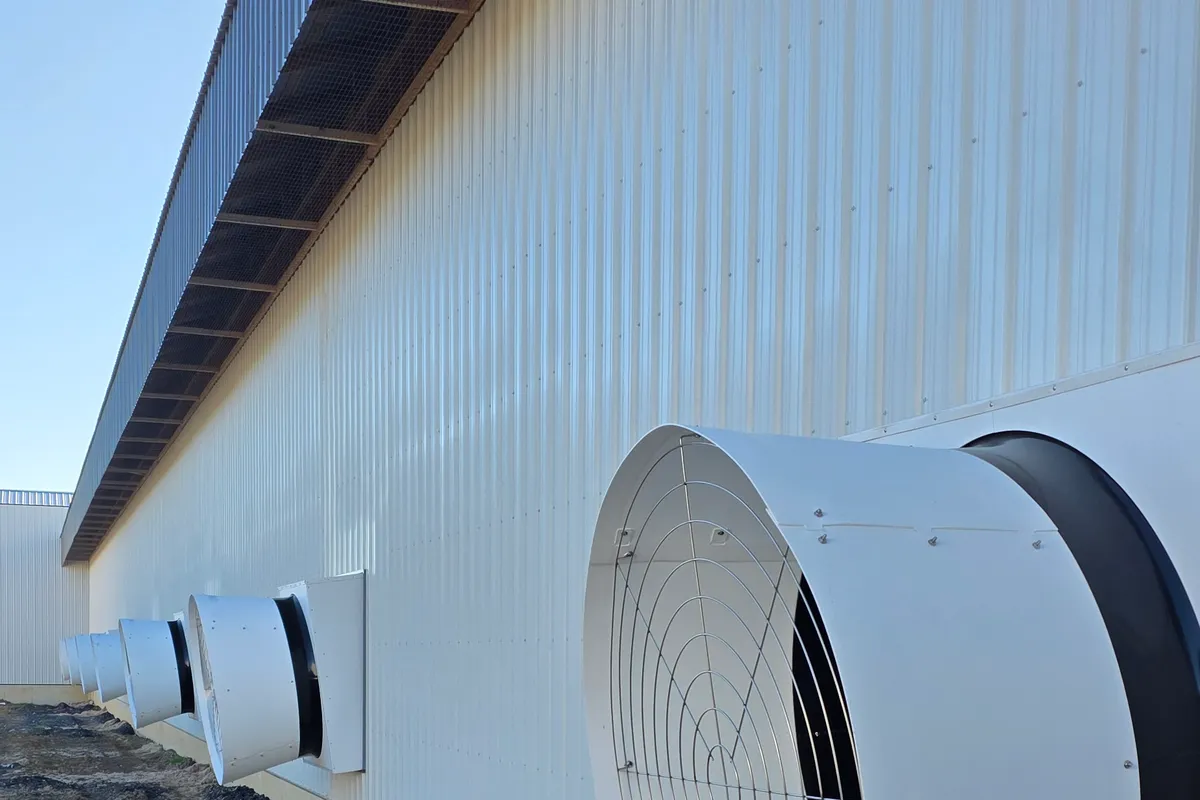
Electrical work for poultry houses, dairy barns and grain systems across Lebanon, Lancaster and Berks counties: ventilation, controls, standby power and farm services.
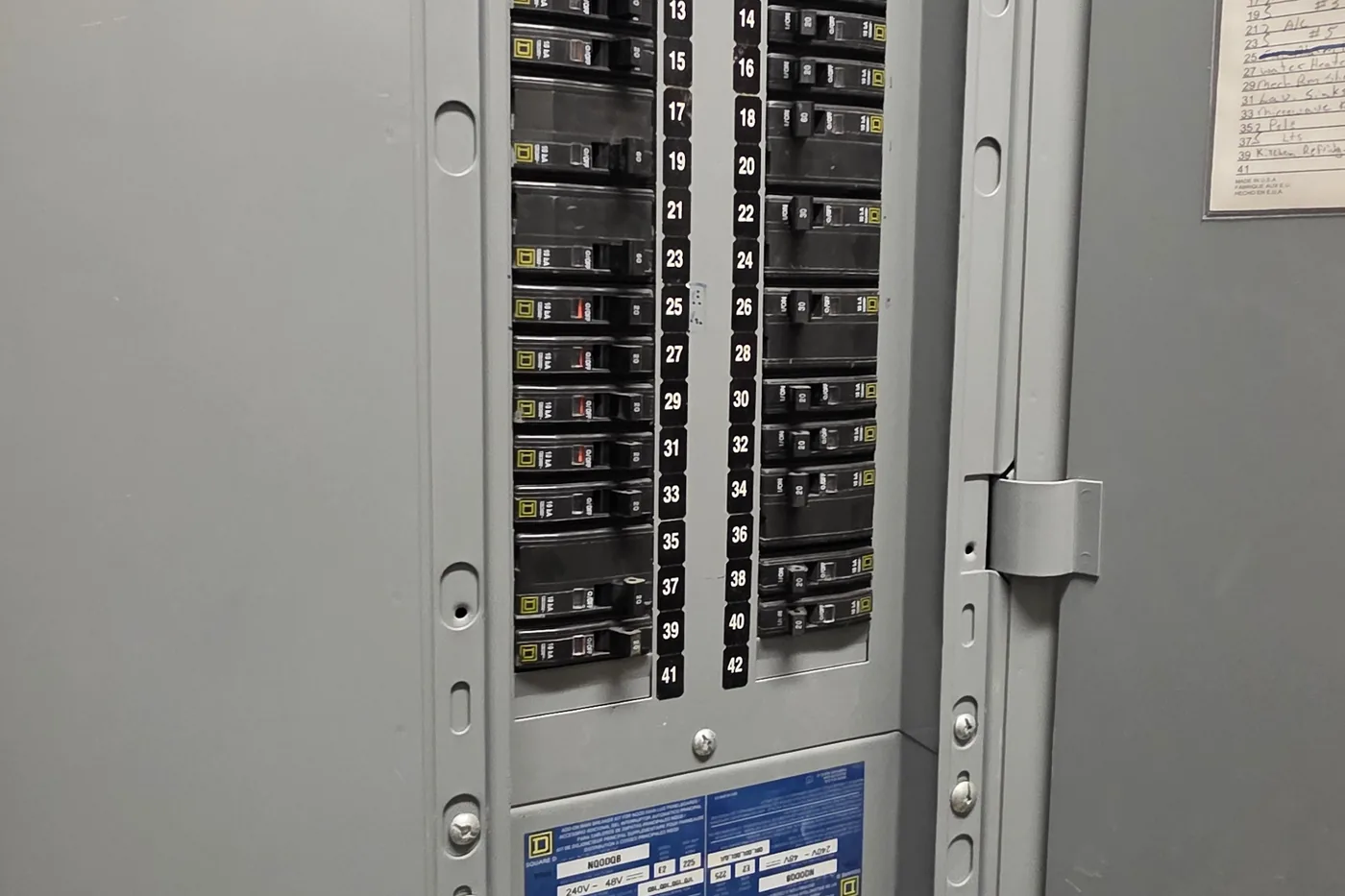
Electrical service and panel upgrades for farms, plants and businesses in Lebanon, Lancaster and Berks counties. Load calculation, utility coordination and a clean changeover.
What it is
Layout comes first. Power on one side, control on the other, heat producing parts where the heat can leave, wire duct sized so the cover still closes after the second revision. Terminal groups get a spare block or two, because there is always a later addition and nobody wants it on a doubled up terminal.
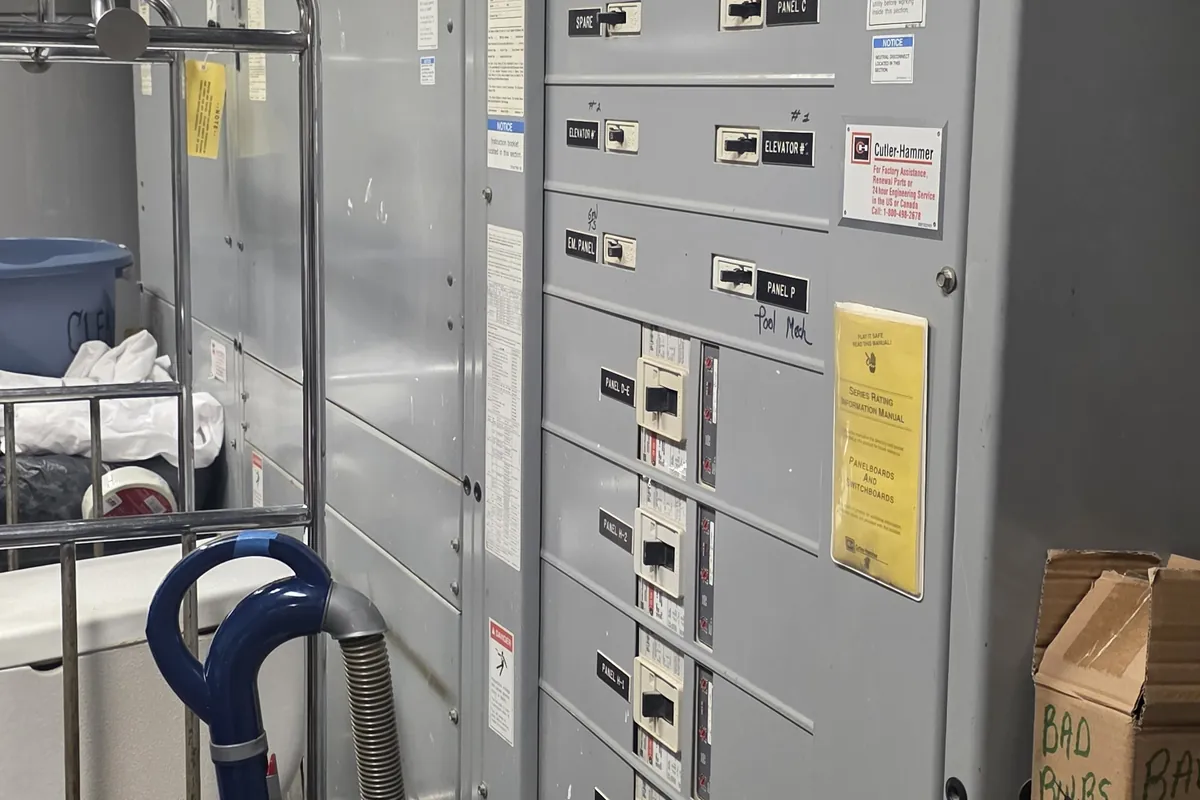
Article 409 of the National Electrical Code governs industrial control panels, and the forgotten requirement is the marking: the panel carries a short circuit current rating, and that rating has to be at least the available fault current where it is installed. A panel rated 5 kA fed from a 500 kVA transformer is not a problem you can label your way out of, so we establish fault current before the panel is designed.
NFPA 79 covers the electrical side of industrial machinery, and its wire colours are worth following even where nobody is checking: black for ungrounded power, red for AC control, blue for DC control, orange for circuits that stay live when the machine disconnect is off. That last colour has saved more people than any warning label.
Where a listed assembly is required rather than field wiring, that panel has to come from a shop carrying the listing. We say so when that is the case instead of quietly working around it, and we do the field side, the connection and the commissioning around whatever is supplied.
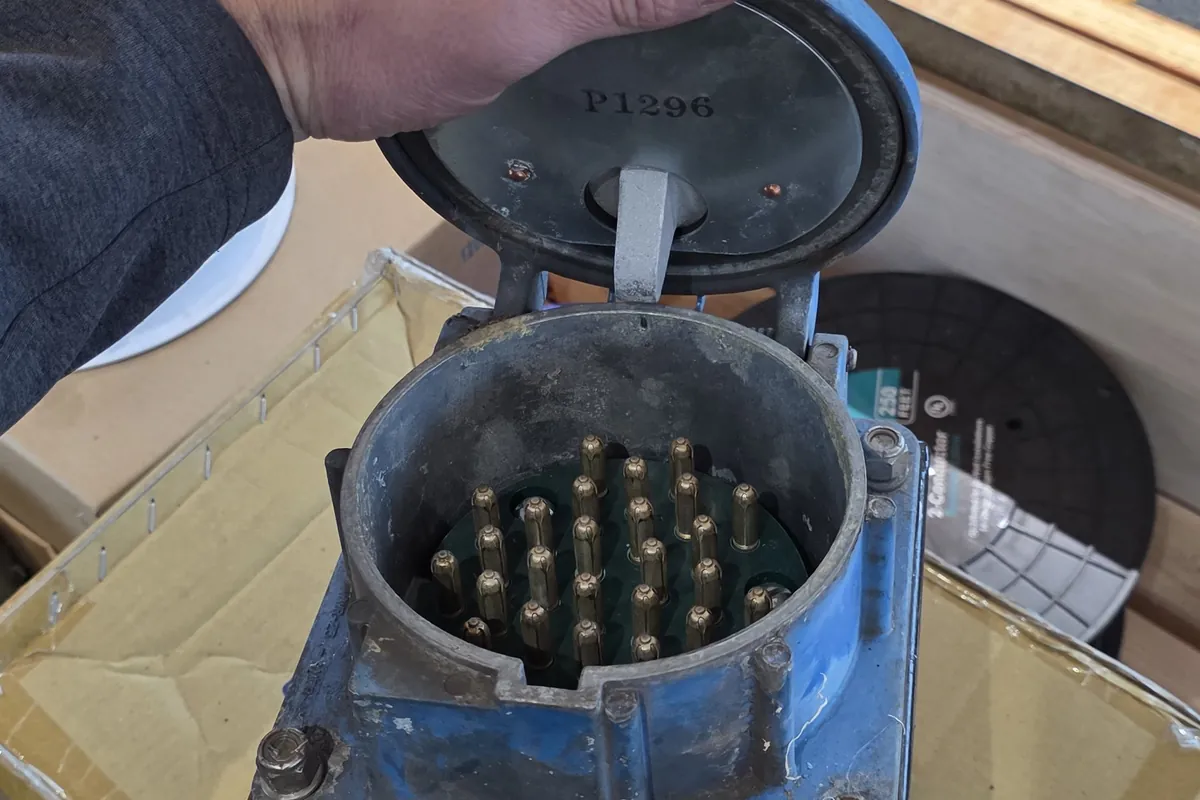
What trips people up in motor circuits is that overload protection and short circuit protection are two different jobs done by two different devices. Article 430 separates them deliberately. The overload element is sized from motor nameplate full load amps, usually at 115 or 125 percent depending on service factor, and it protects the winding over minutes. The branch circuit device is sized far higher because it has to let the motor start, and it clears a fault in milliseconds.
Confuse the two and you get either a motor that cooks quietly or a circuit that cannot start. Article 430 also wants a disconnect in sight of the motor and the driven machinery, a rule usually broken by whoever moved the machine and left the disconnect behind a wall. When one will not start, the order of the checks matters more than the meter, and that order is in why a three phase motor will not start.
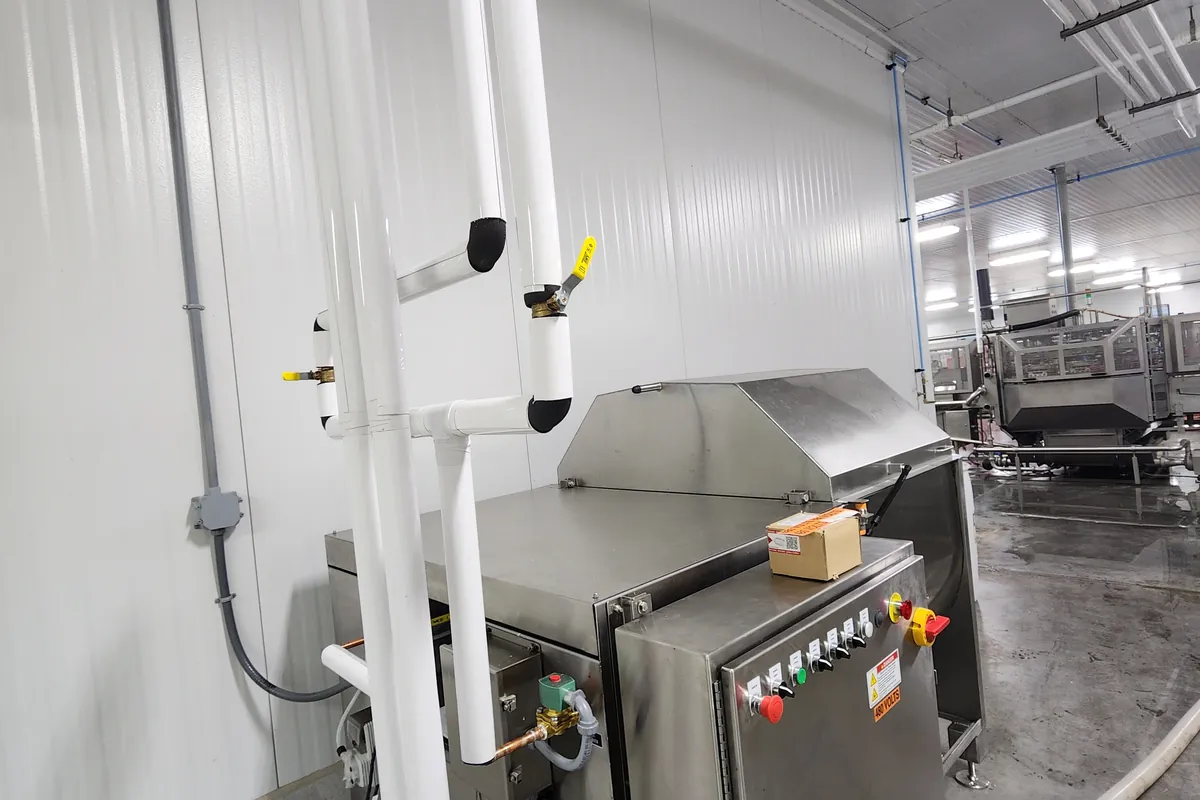
A variable frequency drive does not put out a sine wave. It puts out a train of pulses, typically switching between 2 and 12 kHz with very fast rise times, and everything difficult about drives follows from that. On a 480 volt system with long motor leads the pulse reflects at the motor terminals and can nearly double the voltage there, which is what kills winding insulation on drives installed like starters.
So the drive output gets shielded VFD cable with symmetrical ground conductors, bonded 360 degrees at both ends rather than pigtailed. Control and signal wiring stays out of that raceway. Where leads are long, a load reactor or a dv/dt filter goes in. Where the motor is large, a shaft grounding ring keeps those currents from pitting the bearings.
The same physics is why a clamp meter on a drive output reads nonsense, and why drives nuisance trip on ground fault as capacitive current through the cable shield rises. That is a common call, and the diagnosis is in chasing a ground fault trip on a VFD. For a drive running three phase equipment from a single phase service the limits are real, and they are in running a VFD from single phase input. For when a drive is the wrong tool, start with what a VFD actually does.
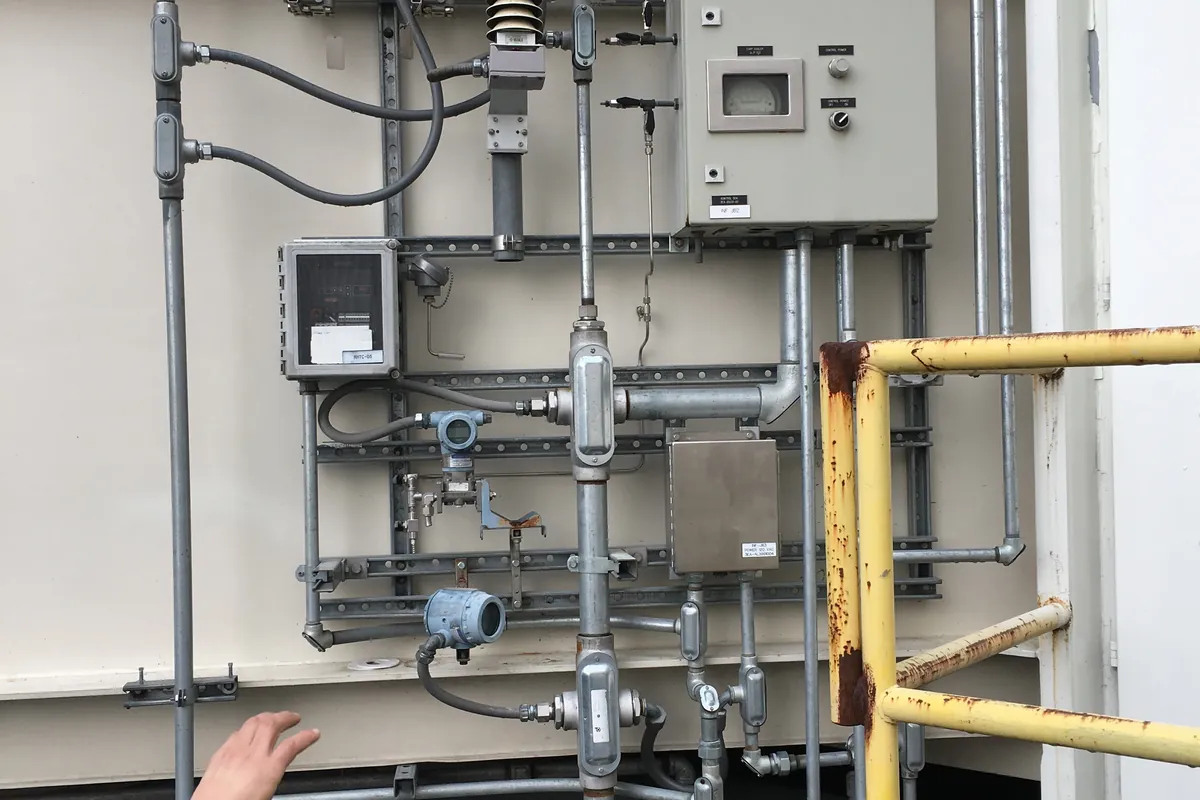
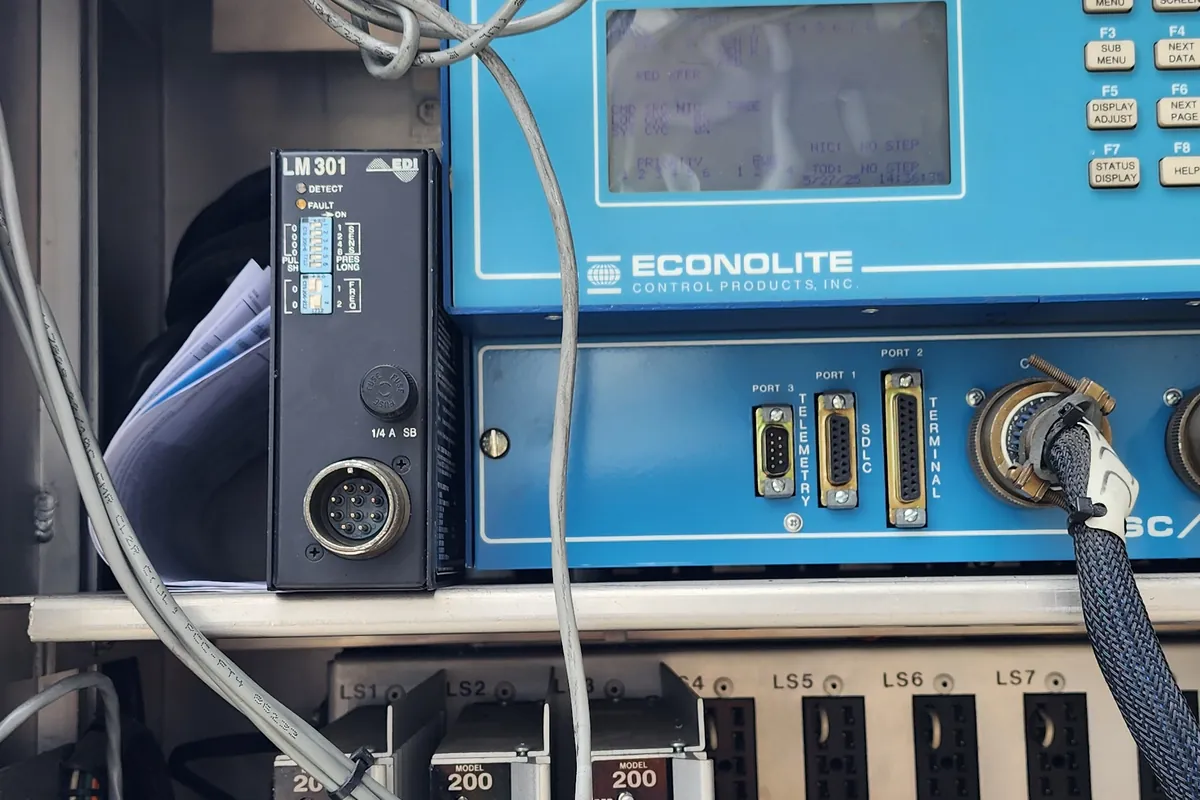
Equipment arrives with a manual that describes the machine and stops at the terminal block. What it rarely tells you is the fault current the panel has to handle, the lug size the incoming conductors land on, whether the control transformer taps are set for 480 or 400 volts, what happens on a phase loss, or whether the drawing in the box matches the machine that shipped.
Imported machinery adds more: 50 hertz ratings, a different colour code, control voltages that assume a supply nobody here has. Sorting that out on site is most of the work of connecting a machine, and it is what a quote written from the manual misses. Two examples are connecting a machine to motor control and powering equipment in a food plant.
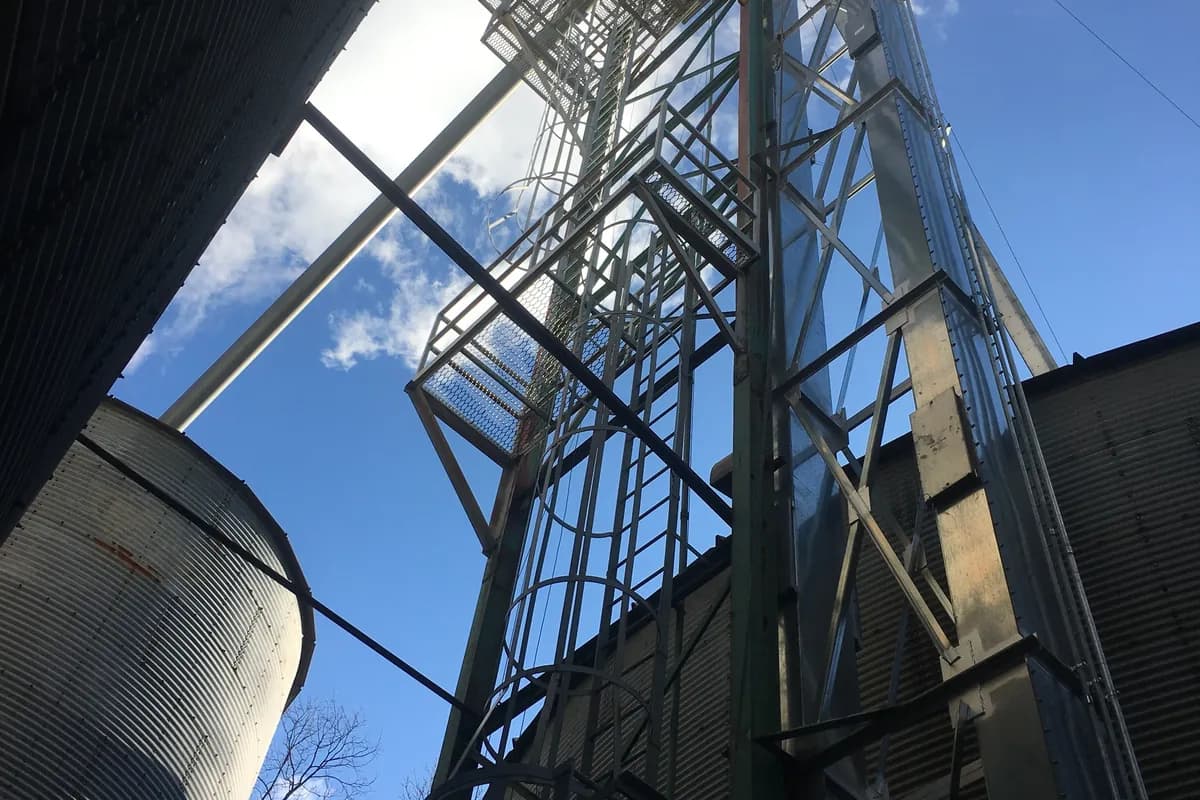
An e stop string is not an ordinary control circuit and should not be wired like one. NFPA 79 describes stop categories, and the difference matters: a category 0 stop removes power immediately, a category 1 brings the machine to a controlled stop first. Which one a machine needs depends on what it does when power disappears, since some are more dangerous stopped instantly.
Either way the safety function belongs in a safety relay or a safety rated controller with monitored dual channel contacts, not in a rung of ordinary PLC logic that a program change can quietly break. Guard switches, light curtains and pull cords end at the same place.
Then the labelling. Every conductor numbered at both ends, every device tagged to match the drawing, a schematic in the door pocket and a true schedule in the panel that feeds it. The reason is the one behind keeping a panel schedule true: the person troubleshooting at 2am may not be us. The same goes for instrument work, as in the instrument rack job.
What this covers
If what you need is not on the list, it is still worth asking. This is what we are asked for most, not the limit of what we do.
Built from a drawing, on the bench or in place.
Everything that starts, stops and protects a motor.
Where a pulse train replaces a sine wave.
The gap nobody quoted, between the manual and the terminal block.
Circuits that must work when everything else has failed.
The information side of the panel.
Food processing and packing lines
Feed mills, grain dryers and handling systems
Plastics, woodworking and light manufacturing
Pump, blower and fan systems
Poultry and dairy equipment rooms
Machine shops and OEM equipment installs
Water and waste treatment plant equipment
01
A machine arrives with a manual that stops at the terminal block. Everything between your distribution and that block is the part nobody quoted, and it is the part that decides whether the start up date holds.
02
Three revisions, two contractors and a drawing that stopped being true years ago. Tracing it once properly and redrawing it is slow work that pays back on every fault after.
03
50 hertz ratings, a different wire colour code and control voltages that assume a supply nobody here has. Sorting that out is most of the work of connecting the machine, and it is invisible in a quote written from the manual.
04
Usually a cable, shielding and lead length problem rather than a failed motor. The physics of a drive output is different enough from a starter that installing one like the other is a common and expensive mistake.
05
Feed systems, dryers, ventilation and pumps all sequenced together. The same panel discipline applies, with the added problem that the room is dusty and nobody wants to be in it at three in the morning.
06
An emergency stop belongs in a monitored safety relay rather than a rung of ordinary logic that a program change can quietly break. If your e stop string has never been tested device by device, it has not been tested.
How a job runs
From the first visit to the labels left in the panel, this is the order it happens in.
A look at the machine or process, with motor data read off nameplates, not a spec sheet.
Available fault current from the utility or transformer, since the panel rating has to exceed it.
A drawing before anything is cut: one line, power, control and an input and output list.
Build, on the bench where that is possible and in place where it is not.
Field wiring, drive parameters and motor rotation confirmed before couplings go back on.
Function testing, every e stop and interlock exercised one at a time.
Labels, wire numbers and drawings left with the panel. Shutdown work is scheduled the way plant wiring during a shutdown was.
A panel carries a short circuit current rating and that rating has to be at least the available fault current where it lands. A 5 kA panel fed from a large transformer is not a problem anybody can label their way out of.
Black for ungrounded power, red for AC control, blue for DC control and orange for anything that stays live with the machine disconnect off. That last colour has prevented more injuries than any warning sticker.
Shielded VFD cable bonded 360 degrees at both ends, signal wiring kept out of that raceway, reactors where leads are long. Installing a drive like a starter is what kills winding insulation on 480 volt systems.
Each e stop, guard switch and interlock exercised individually rather than assumed to work because the machine runs. That is a slow afternoon and the cheapest insurance on the job.
Numbered conductors at both ends, tagged devices matching the drawing and a schematic in the door pocket. That person may not be us, and the panel should not depend on it being us.
Where Article 409 calls for a listed industrial control panel, that has to come from a shop carrying the listing. We tell you that instead of quietly field building something that will not pass.
5.0 ★ on Google · Open 24 hours
Read first
Motors and controls
What does a variable frequency drive actually do, and do I need one?
Motors and controls
The drive keeps tripping on ground fault, but the motor megs clean. What is tripping it?
Motors and controls
The motor hums but will not turn, or it trips the overload on every start. Where do I begin?
Motors and controls
Can I run a three phase machine from my single phase supply using a VFD?
Power distribution
Is it worth bringing three phase to the building?
Anatoly runs the crew and usually answers the phone himself. Based in Myerstown, working across Lebanon, Lancaster and Berks counties, open 24 hours.