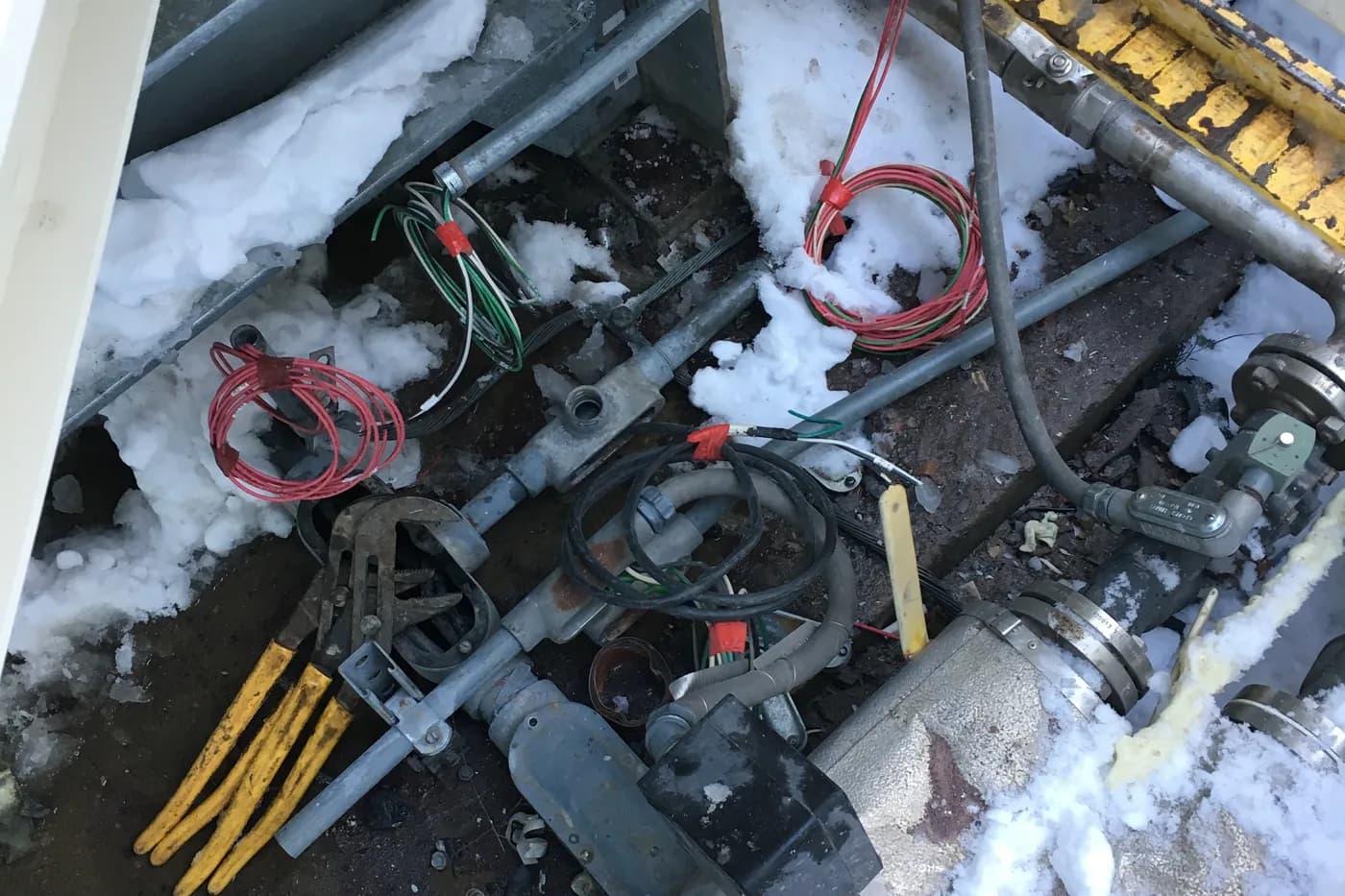
Emergency electrical service, 24 hours
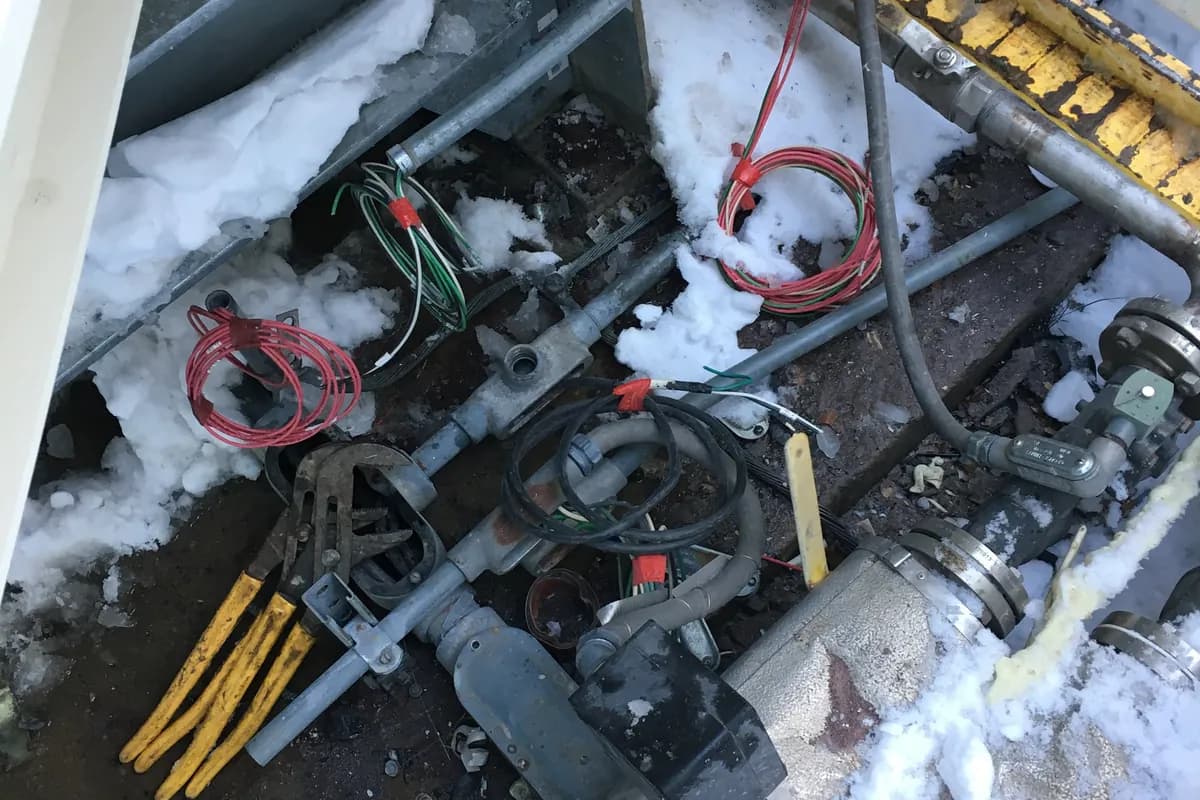
24 hour emergency electrician for farms, plants and businesses in Lebanon, Lancaster and Berks counties. Ventilation failures, lost phases, burned services and storm damage.
Two mistakes account for almost every standby generator that disappoints its owner. The set was sized from the service rather than from the loads, and the starting load was never separated from the running load. Both are decided before anything is ordered, which makes the hour spent on the load list the most valuable hour in the whole project. The rest is installation work we do regularly on farms, plants and commercial buildings.
What we do
24 hour emergency electrician for farms, plants and businesses in Lebanon, Lancaster and Berks counties. Ventilation failures, lost phases, burned services and storm damage.
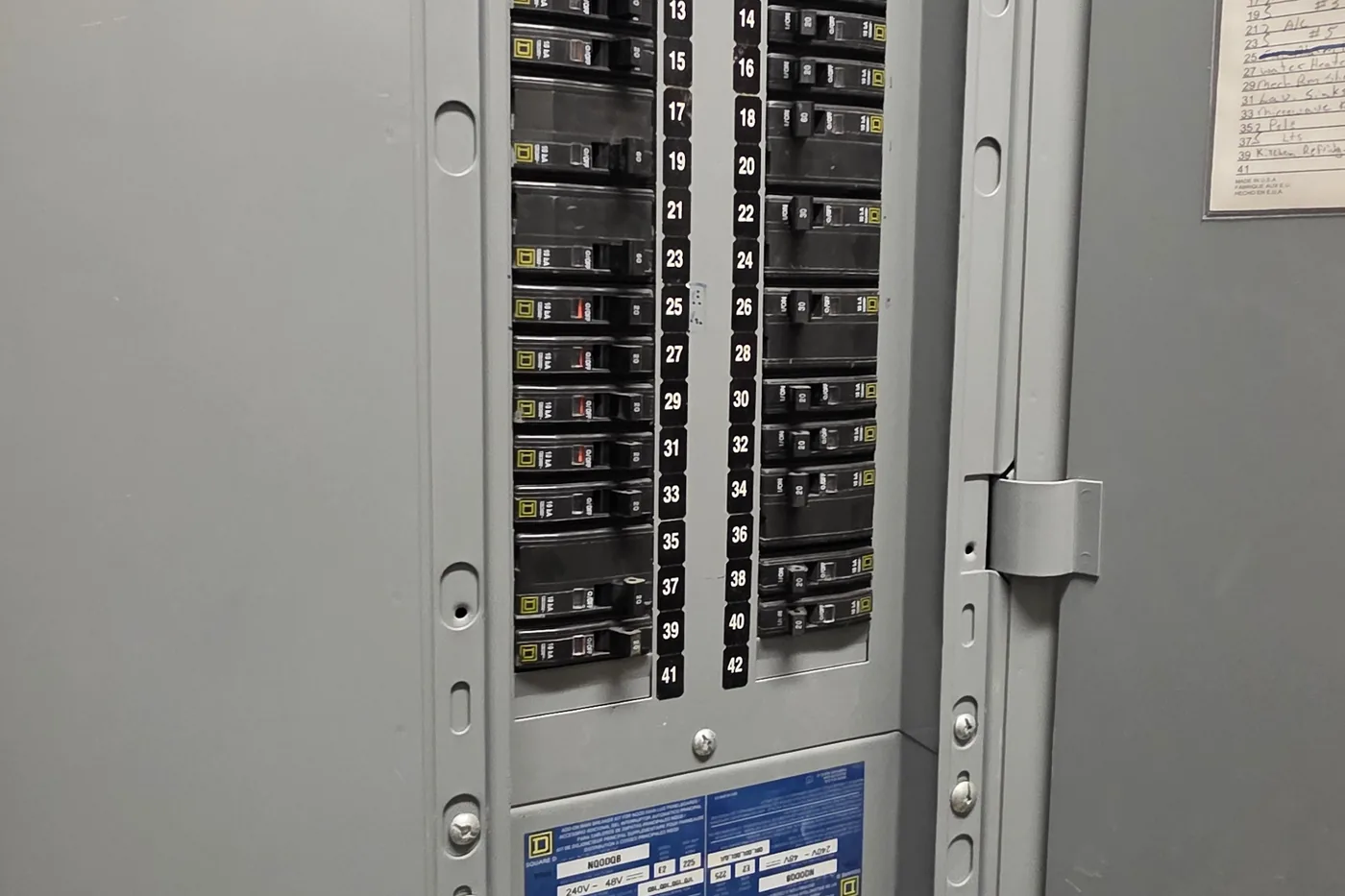
Electrical service and panel upgrades for farms, plants and businesses in Lebanon, Lancaster and Berks counties. Load calculation, utility coordination and a clean changeover.
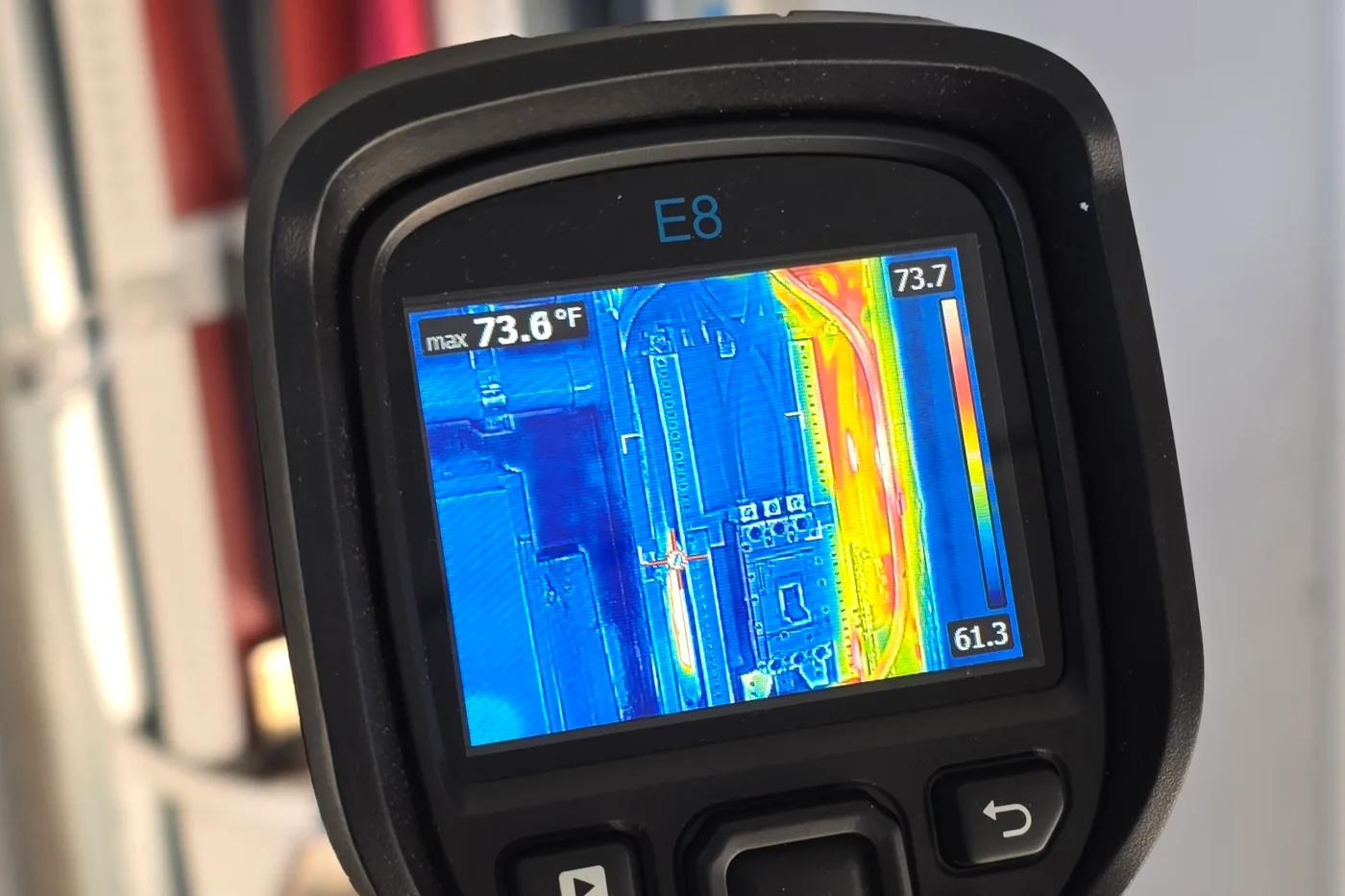
Infrared thermographic surveys, torque and insulation testing, and arc flash studies for plants and farms across Lebanon, Lancaster and Berks counties in Pennsylvania.
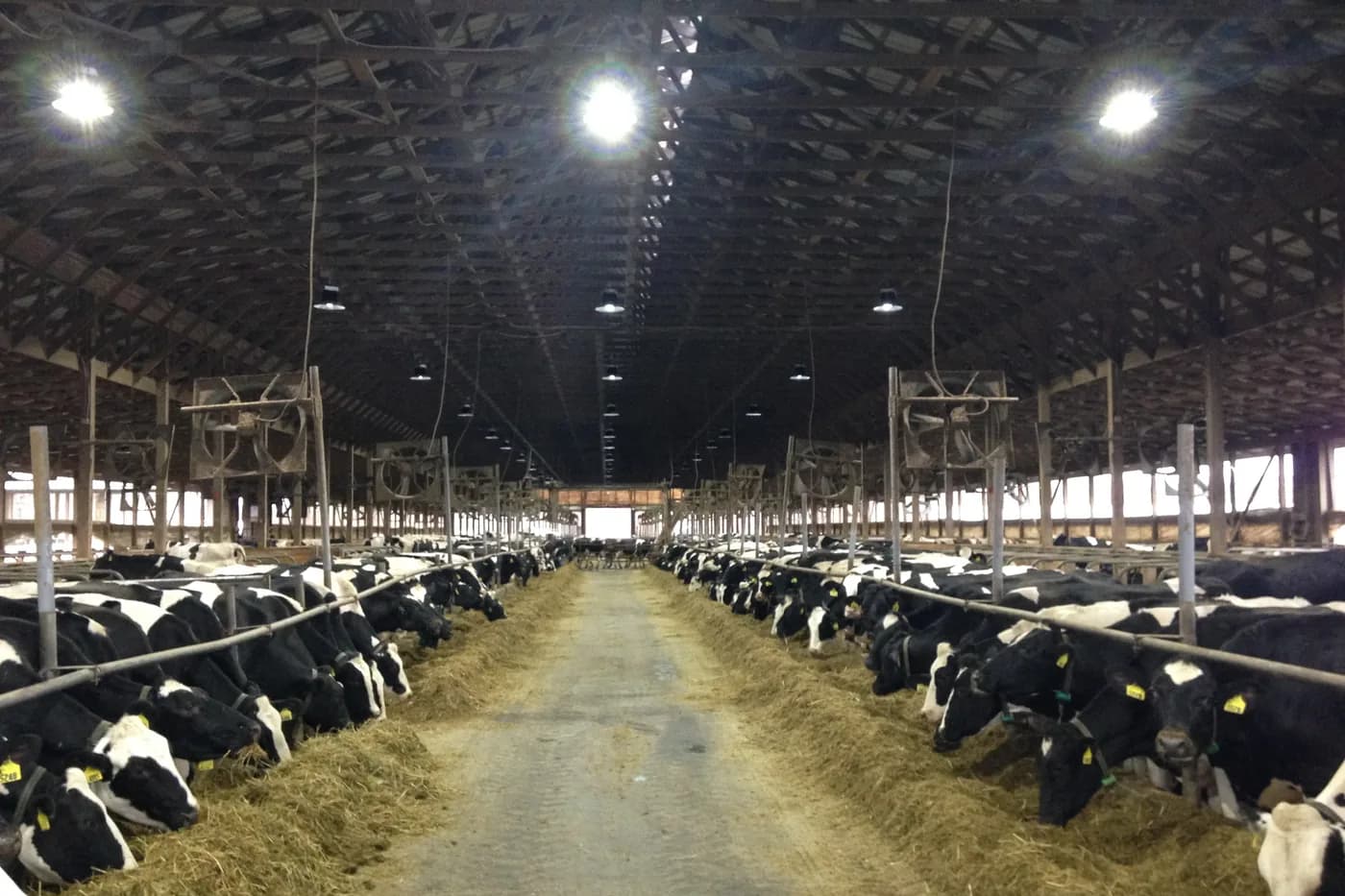
Electrical work for poultry houses, dairy barns and grain systems across Lebanon, Lancaster and Berks counties: ventilation, controls, standby power and farm services.
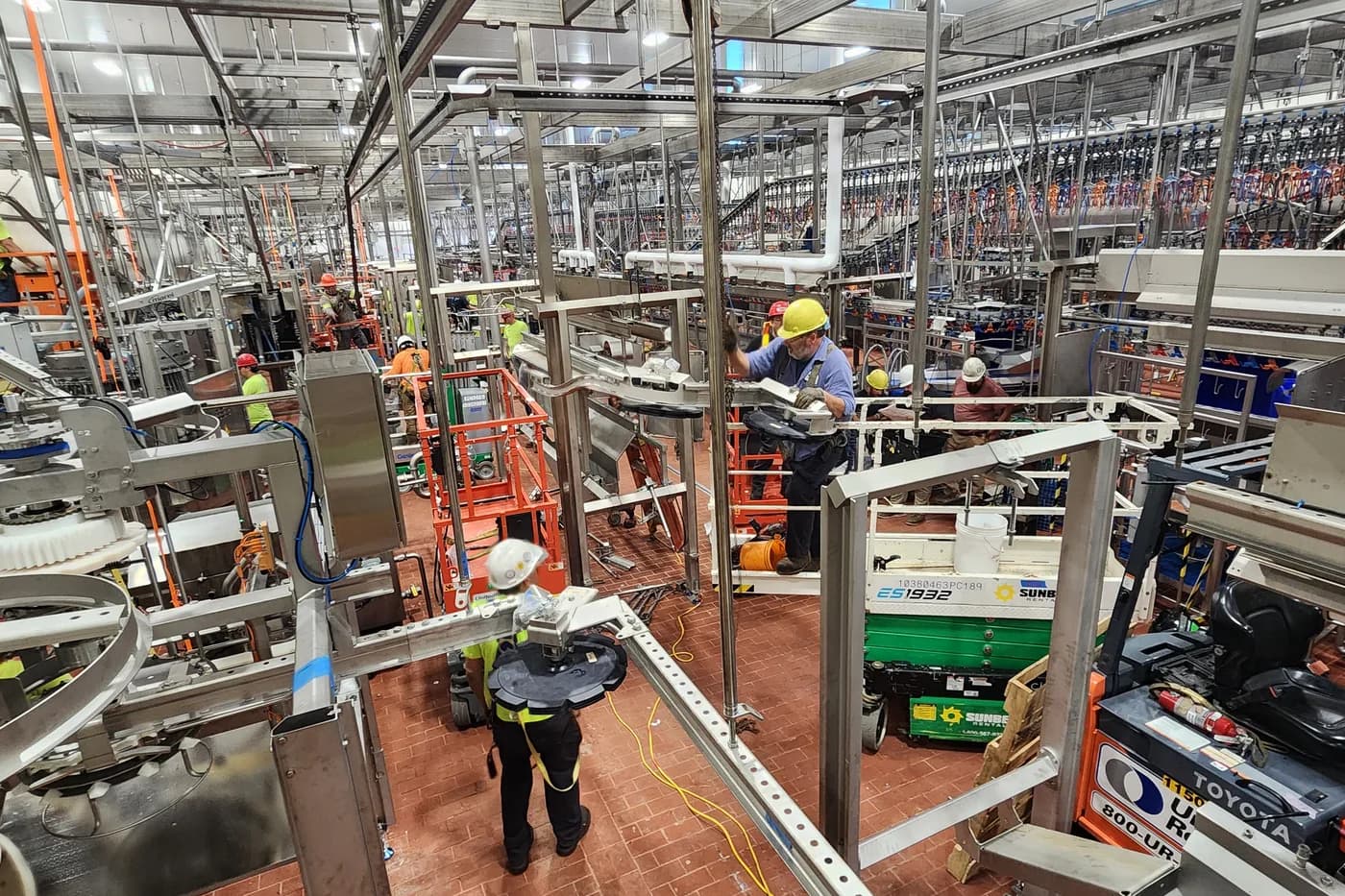
Industrial electrical contracting for plants in Lebanon, Lancaster and Berks counties: distribution, machine connection, motor control, drives and shutdown work.
What it is
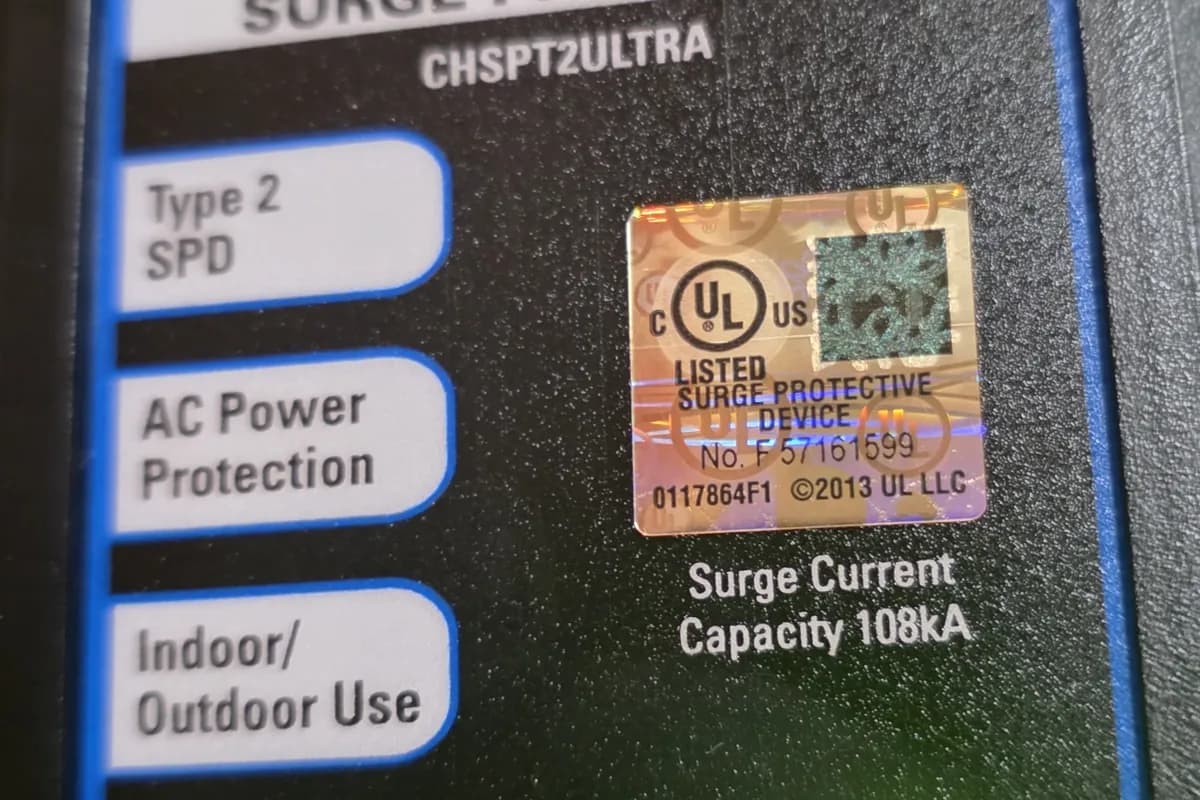
A 400A service does not mean you need 400A of generator. It means somebody sized a service for a building. What the generator has to carry is a much shorter list: the equipment that genuinely cannot be off, plus whatever has to move when it starts.
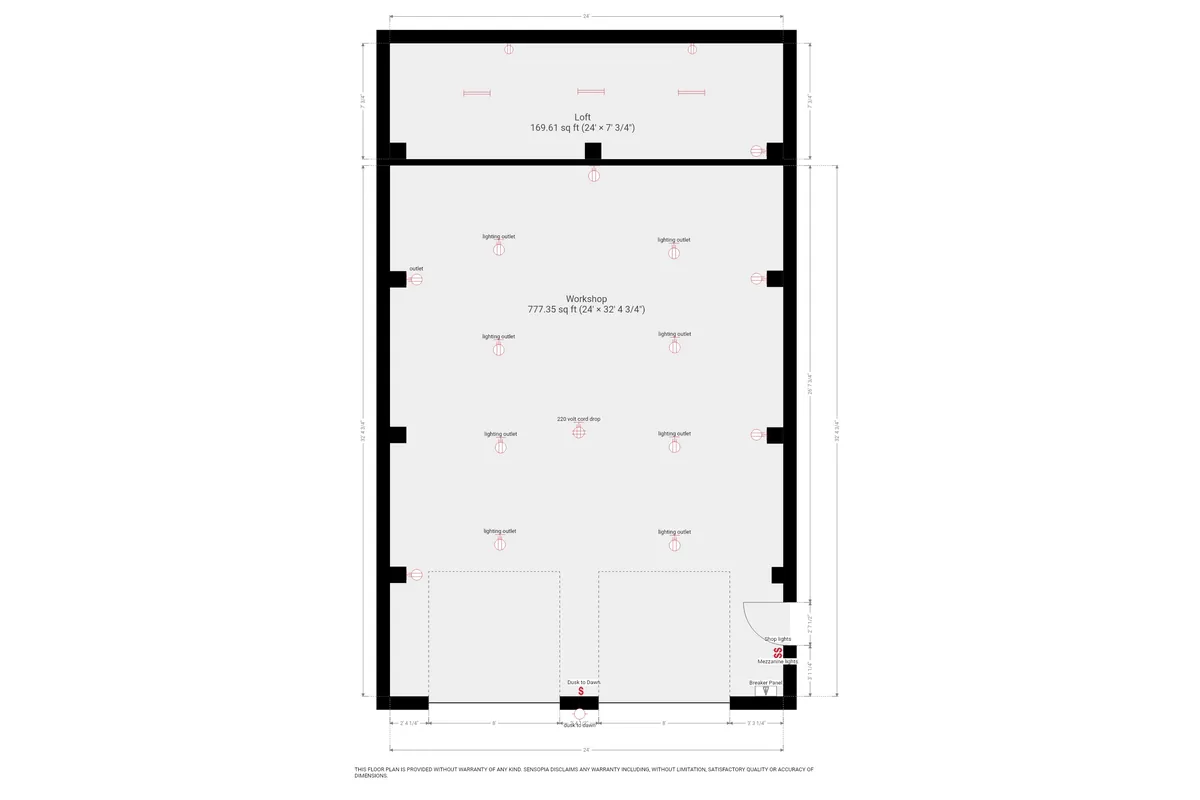
So we walk the site and write that list down, item by item, with nameplate data rather than guesses. Motors get their full load current and their starting method recorded, because a motor started across the line draws roughly six times its full load current for the first moments, and the generator has to hold voltage and frequency through that. Heating elements, refrigeration, controls, well and transfer pumps, lighting, and anything with a compressor all get entered separately.
That list does two jobs. It sets the size of the set, and it decides what goes on the emergency panel. Done properly it usually makes the generator smaller and cheaper than the number the owner had in their head, which is the point of the load study write up.
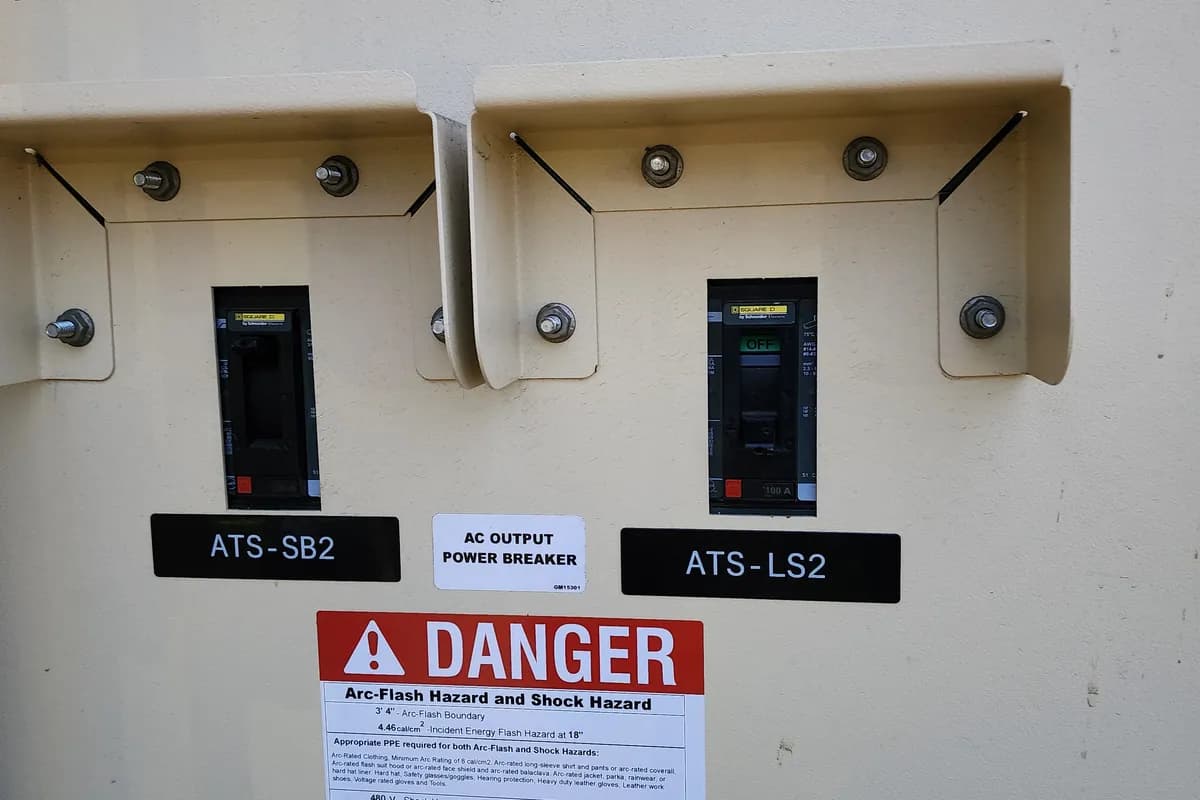
Running load is the easy number. Starting load is the one that strands people. A set chosen to carry the running total of a poultry house will still stall when four tunnel fans and a well pump try to start at the same moment, because for a second or two the demand is several times the steady figure.
There are three ways out, and they are worth comparing before spending money on a larger set. Sequence the starts so the loads come on in steps rather than together. Use soft starters or drives on the largest motors, which cuts the inrush substantially. Or accept the larger alternator. The arithmetic behind that choice is worked through in why a generator that looks big enough still stalls, and the cost side, including what actually drives the price, is in what a standby generator costs.
Most installations here are optional standby systems under Article 702 rather than legally required systems, which means you choose what is backed up. That choice is where the money is saved or wasted. The honest version of the list is short, and everything on it earns its place.
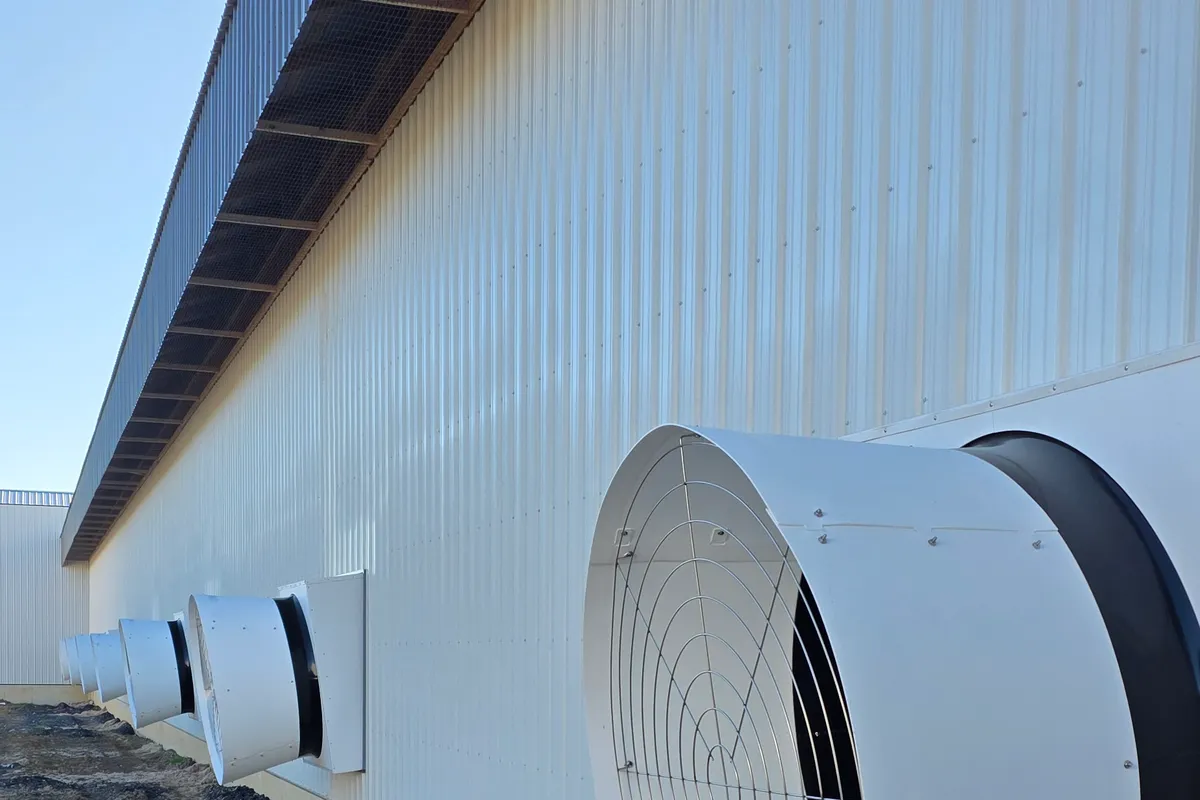
The transfer switch is not an accessory. It is the part that decides whether the system works while nobody is there, and it is the part that keeps your generator from backfeeding a line a utility worker is holding. Automatic switches sense the outage, start the set, transfer, and transfer back with a cooldown run afterwards. Manual switches cost less and are defensible where somebody is always on site, but on a livestock building the failure mode is obvious: the outage happens at four in the morning and nobody throws the handle. Service entrance rated, open transition and closed transition switches all have their place, and the differences are set out in transfer switch types. A completed installation is shown in this generator and transfer switch job.
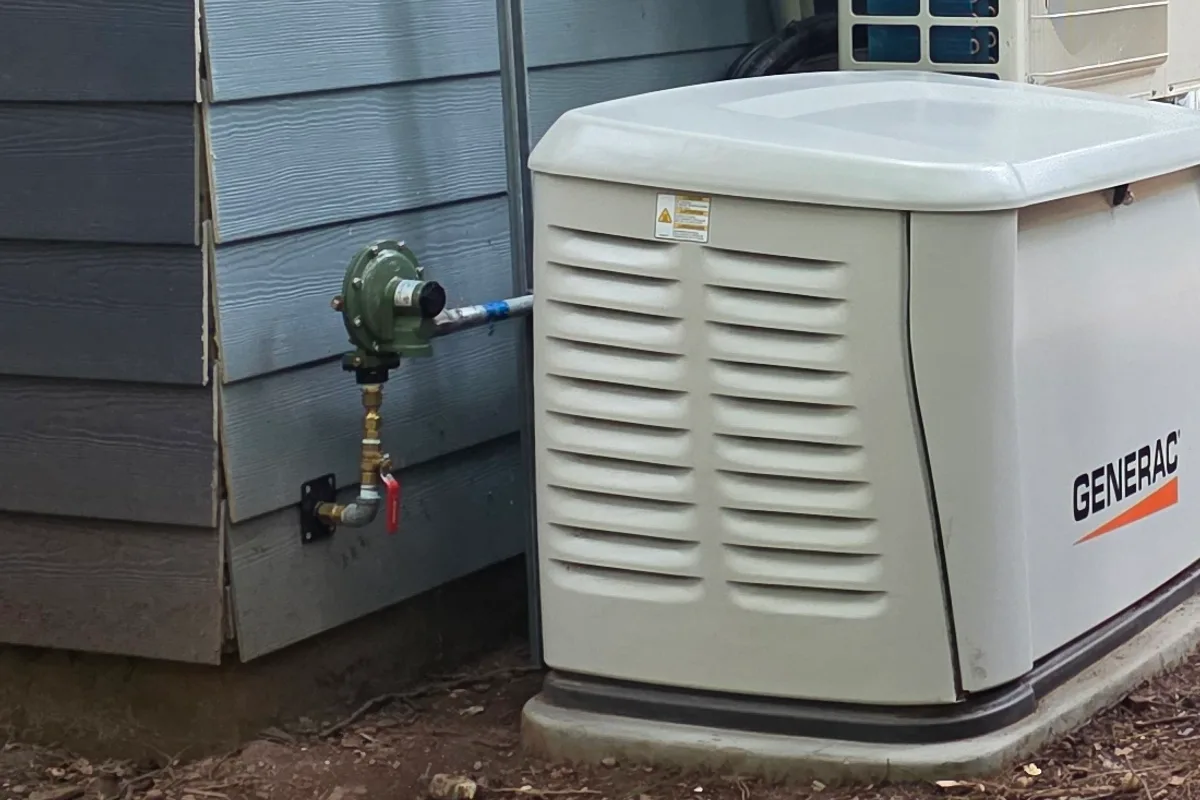
Fuel usually decides itself by what is at the road. Natural gas needs no storage and never goes stale, but much of the countryside here has no gas main, and sets are typically rated slightly lower on natural gas than on LP. LP means a tank, and the tank has to be sized for vaporisation in cold weather rather than just gallons, because a small tank in January cannot deliver what a large engine wants. Diesel stores energy densely and starts strongly, but fuel ages, so it needs treatment, testing and a tank you can actually fill in a storm.
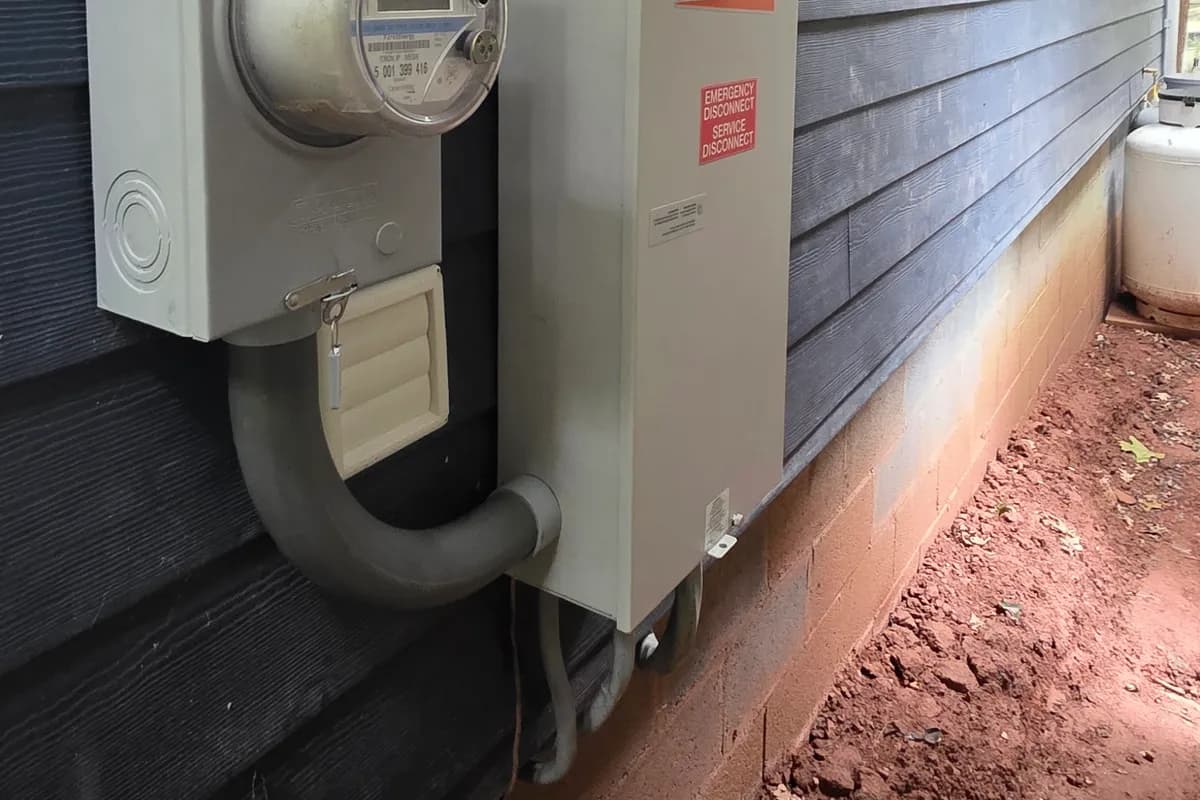
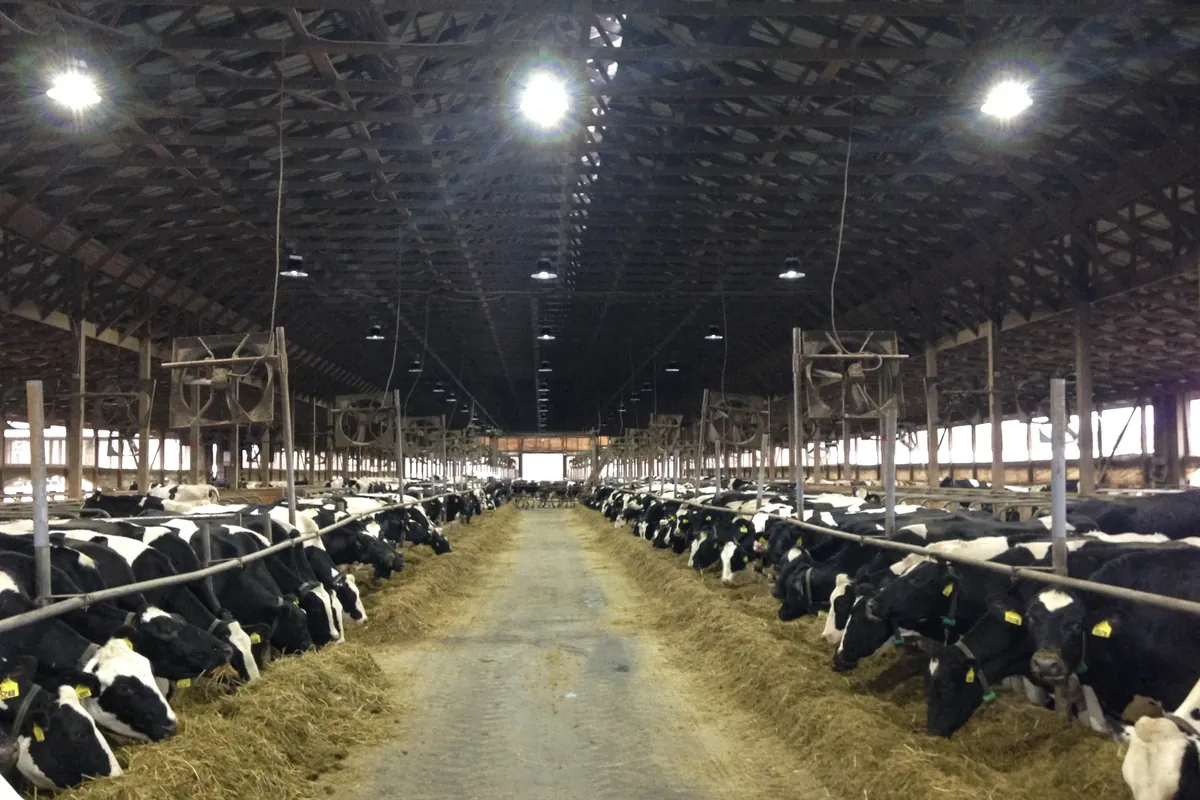
On a farm, standby power is not about convenience. Ventilation is the load that decides whether the barn still has stock in it by morning, and that is a different level of urgency from a dark office. It also changes the specification: the set has to pick up fan motors, the transfer has to be automatic, and the alarm has to reach a person. A farm standby installation and the ventilation power arrangement behind it show how those pieces fit together.
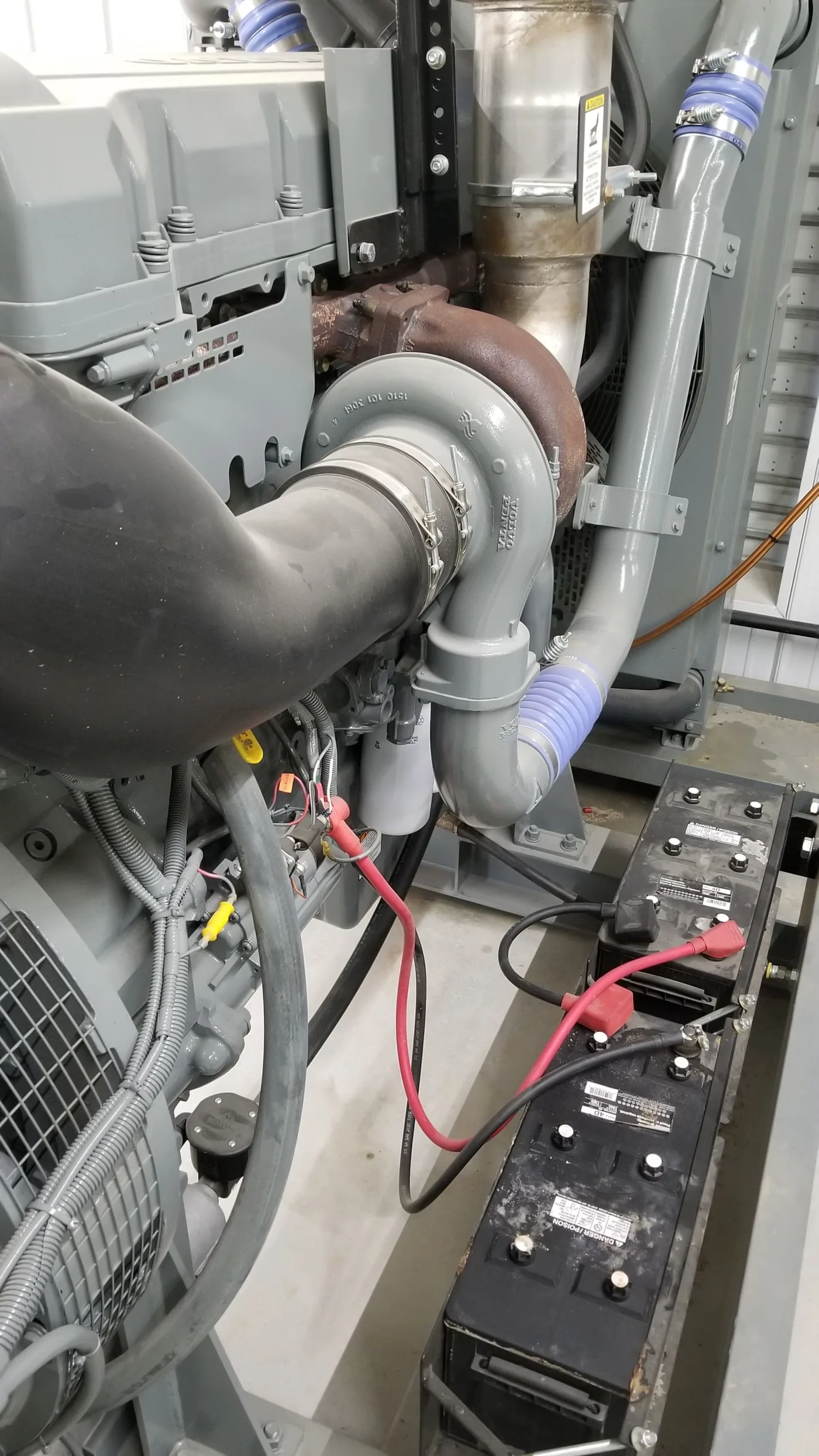
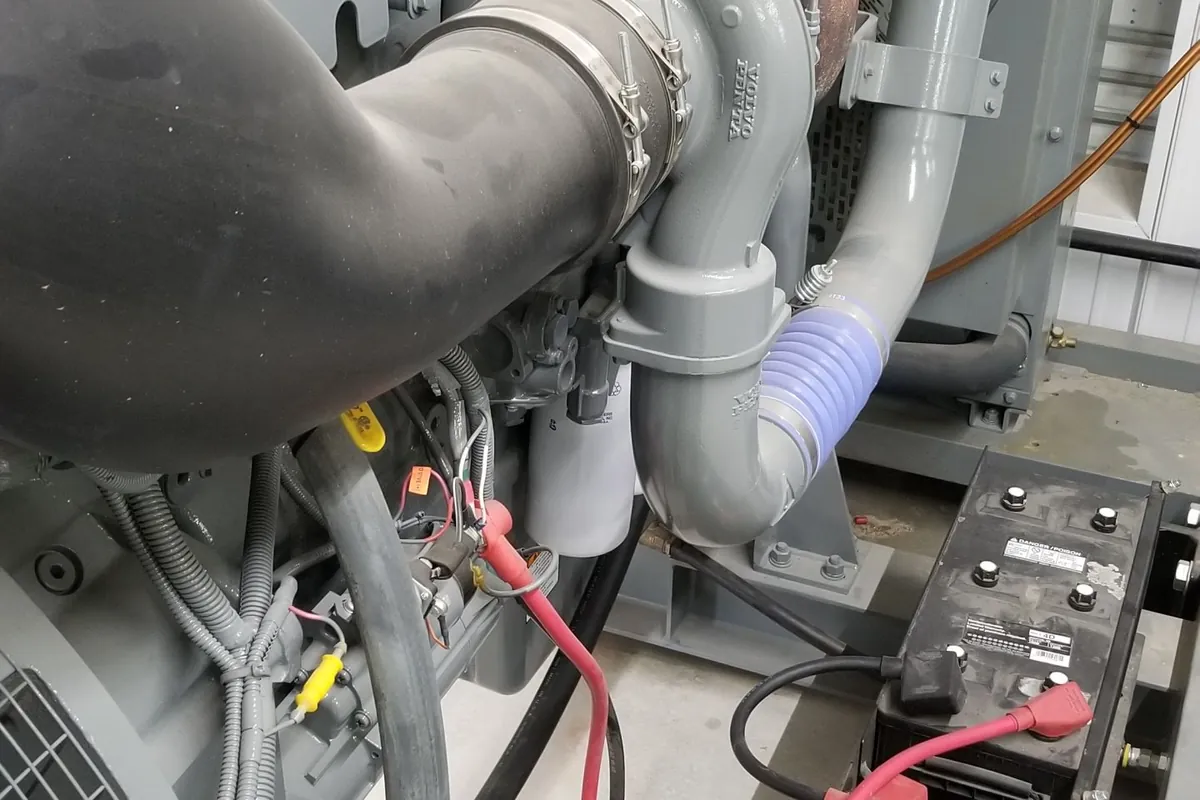
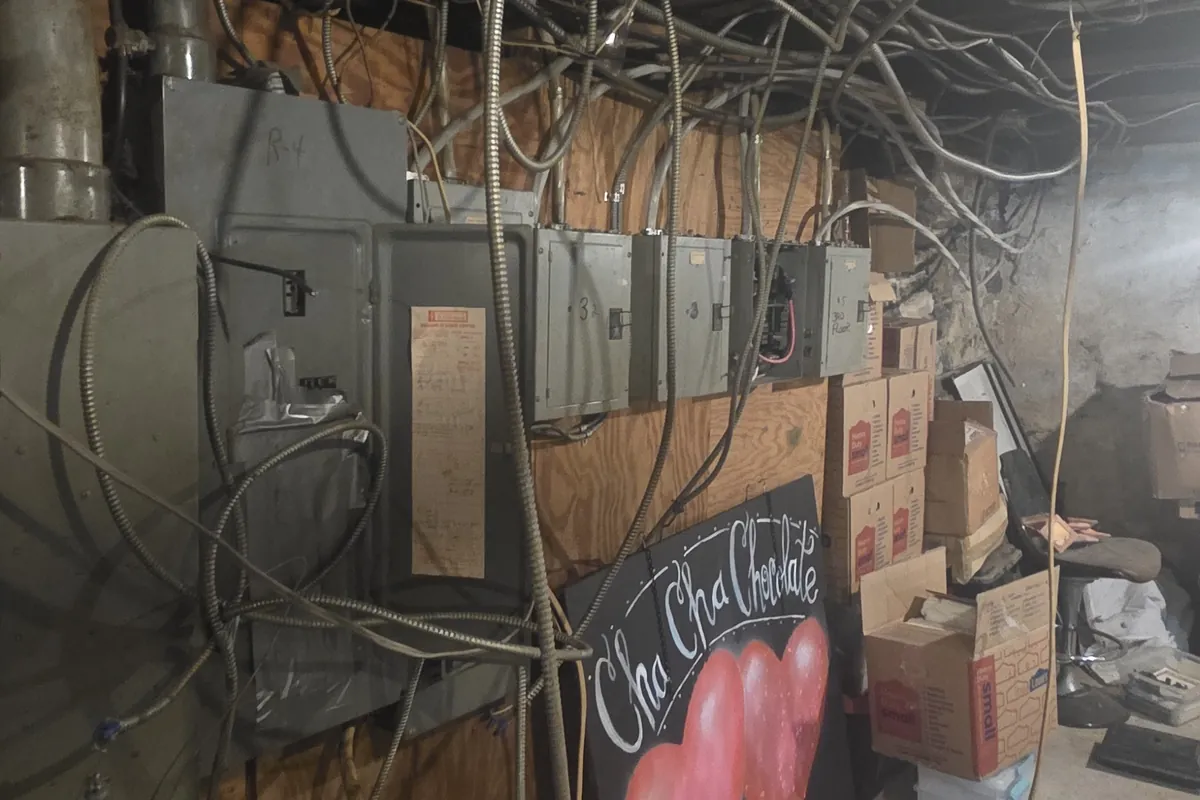
A generator that is not exercised is a decoration. Batteries are the most common single reason a standby set fails to start, followed by fuel condition and coolant. An automatic weekly exercise cycle, a battery checked rather than assumed, filters and fluids on a schedule, and a transfer switch that has actually moved this year are what separate a working system from an expensive one. The intervals are in what a generator needs and how often, and it can sit inside a wider maintenance programme. We also repair and service sets we did not install, including transfer switches that have stopped transferring.
What this covers
If what you need is not on the list, it is still worth asking. This is what we are asked for most, not the limit of what we do.
The part that decides whether the rest of the money is well spent.
Everything from the pad to the first supervised run.
The part that works while nobody is standing there.
Work we coordinate rather than do with a wrench.
So a failure to start is known before it costs anything.
Including sets we did not install.
Poultry houses and livestock barns
Dairy parlours and milk cooling
Grain dryers and handling systems
Food processing plants and cold storage
Restaurants and retail with refrigeration
Offices, server and comms rooms
Water, well and pumping stations
01
Here the generator is not a convenience, it is whether the barn still has stock in it by morning. That changes the specification: it has to pick up fan motors, the transfer has to be automatic and the alarm has to reach a person who is asleep.
02
Milk that cannot be cooled is milk that cannot be sold, and a parlour that cannot run pushes the whole day. These usually need less generator than the owner expects once the list is honest about what is really critical.
03
Where the question is not whether to have standby power but which part of the plant it covers. We price the short list and the whole building where the choice is genuinely close, so the decision is made on numbers.
04
Restaurants, stores, cold storage and server rooms. Small sets, carefully chosen panels, and enough lighting to work safely rather than every fixture in the building.
05
It stalls when the fans start, or it was never able to carry what they assumed. Often the fix is sequencing and soft starts rather than a bigger machine, and that costs a fraction of replacing it.
06
Almost always a battery, fuel condition or a controller left in the wrong position after somebody worked on it. We service and repair sets we did not install, and set an exercise schedule that makes the next outage boring.
How a job runs
From the first visit to the labels left in the panel, this is the order it happens in.
A site visit and a written load list, taken from nameplates, with starting methods noted next to the motors.
A size and a proposal, with the emergency panel contents agreed item by item so nothing is assumed.
Location, clearances, exhaust direction, noise and how the fuel gets there, settled before ordering rather than after.
Fuel and utility coordination: the gas supplier, the LP tank or the diesel tank, and the meter or service work if the service itself needs upgrading.
Installation: pad, set, feeders, transfer switch, grounding and bonding, controls and alarm wiring.
Commissioning under real load, with a simulated outage, transfer, retransfer and cooldown watched from start to finish.
Handover with the exercise schedule set, and a service interval agreed so it stays able to start.
A 400A service does not mean 400A of generator. It means somebody sized a service for a building. The list of what truly cannot be off is usually far shorter, and the set is usually smaller and cheaper than the number people arrive with.
A motor started across the line pulls roughly six times its full load current for the first moments. Ignore that and you buy a set that runs the building perfectly until the day four fans start together.
Commissioning means opening the utility supply and watching the whole sequence: start, transfer, run under load, retransfer, cooldown. A set that has only ever been started on no load has not been tested.
A generator that fails to start silently is the same as no generator. Not in auto, low battery, low fuel and failure to transfer all get signalled to something that will wake somebody up.
Including transfer switches that have stopped transferring and controllers left in the wrong position. You do not have to have bought it from us to get it working again.
Exercise cycles, batteries, fluids and a transfer that actually moves each year. Those numbers belong in the decision, not in a surprise three winters later.
5.0 ★ on Google · Open 24 hours
Read first
Standby power
The generator is rated well above our load, so why does it stall when the compressor starts?
Standby power
What is the difference between a manual and an automatic transfer switch, and which one does our building need?
Standby power
What maintenance does a standby generator actually need, and how often?
Standby power
What does a standby generator actually cost, and why are the quotes so far apart?
Power distribution
Is it worth bringing three phase to the building?
Anatoly runs the crew and usually answers the phone himself. Based in Myerstown, working across Lebanon, Lancaster and Berks counties, open 24 hours.