
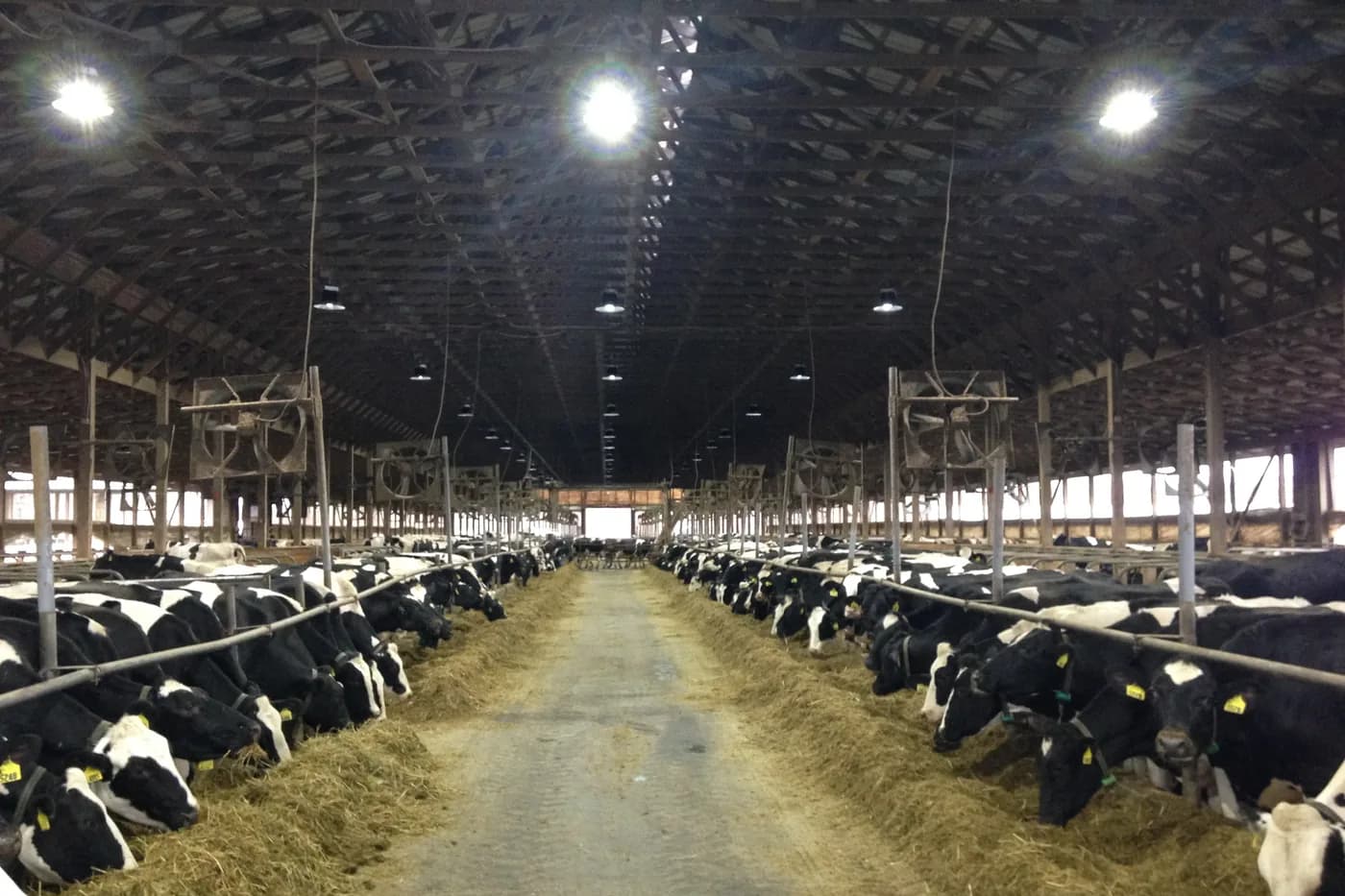
Agricultural electrical
Poultry, dairy and grain. Ventilation, controllers and alarms, lighting programs, standby power, and the service entrance that carries the whole yard.
What we do
Everything below is one job described in different ways: keeping a building running. Nearly all of our work is in places where power is not a convenience, and where an outage is not measured by the repair bill. It is measured by what was inside the building at the time.
So the two things we are asked for most are not clever ideas. They are work that holds, and somebody who turns up quickly. The rest of this page is how we go about both.
5.0 ★ on Google · Open 24 hours
Why we work the way we do
Ask what an outage costs and most people answer with the invoice. In the buildings we work in, the invoice is the small number and almost never the one that decides the year.
Ventilation is the shortest clock on any farm. Air movement stops, and on a warm afternoon the house starts working against the birds inside it within the hour. Nothing about that day is made better by being quick with a receipt.
A setter or a hatcher is holding eggs that have been getting to that point for three weeks. Lose heat and air at the wrong hour and what is lost is not an afternoon. It is the batch, and the weeks that went into it.
Grain is only safe while the dryer and the fans keep running. A year of work can come down to whether one motor starts on a cold morning, and to whether anyone looked at the starter feeding it since the last harvest.
In a plant the meter starts the second the line does not. Paid people standing still, product part way through a process that will not wait for them, and an order that still has a date on it.
None of that is solved by being fast with a repair. It is decided earlier: by how the building was wired, what was put into it, and whether anybody has checked it since.
The work changes more with the building than with the job. A barn, a shop floor and a store room each punish a different shortcut, and the code treats them differently too.
Poultry, dairy and grain. Ventilation, controllers and alarms, lighting programs, standby power, and the service entrance that carries the whole yard.
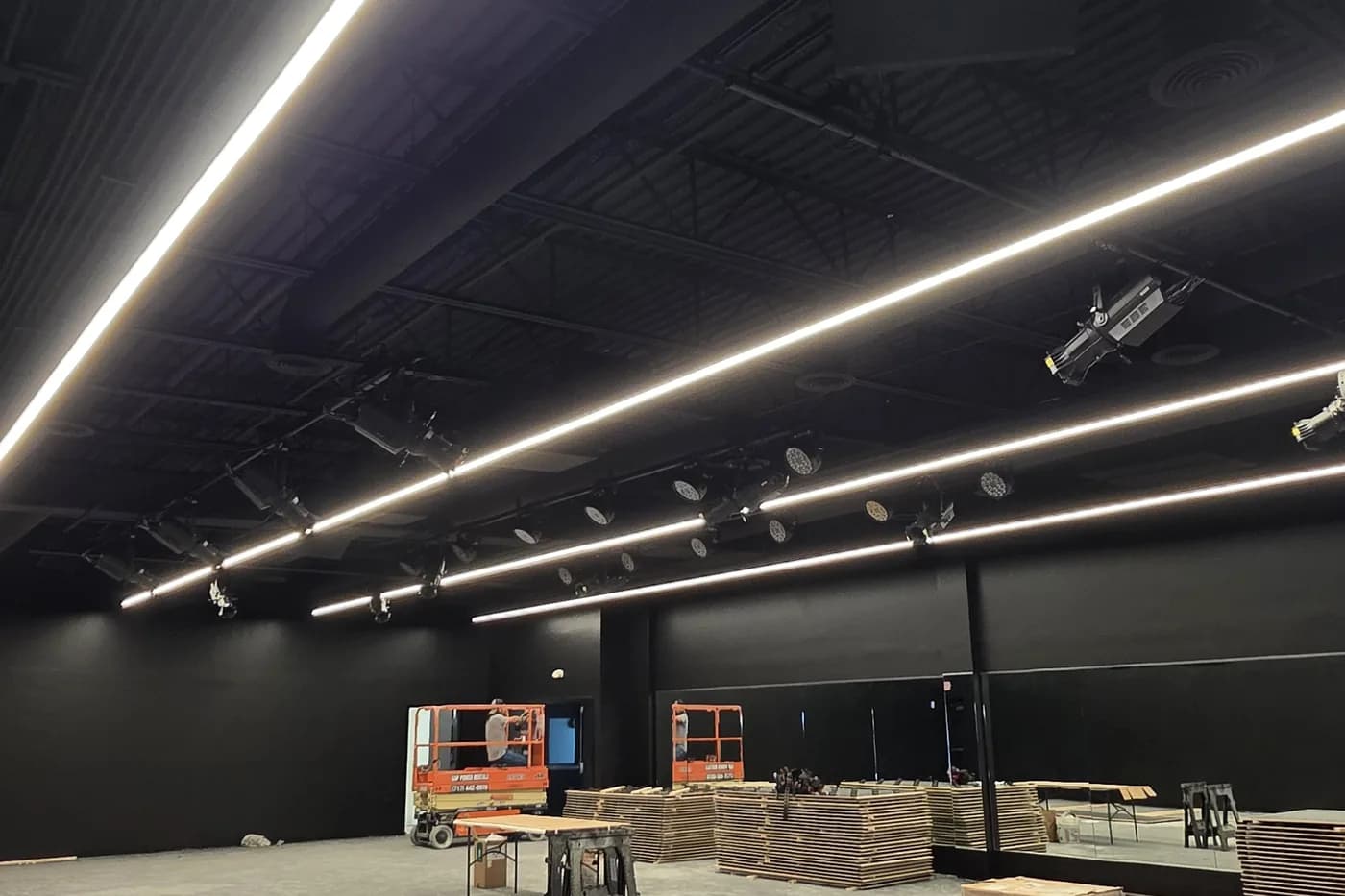
Fit outs, remodels and additions. Panels, interior and lot lighting, EV charging, and the service upgrade that usually has to come before any of it.
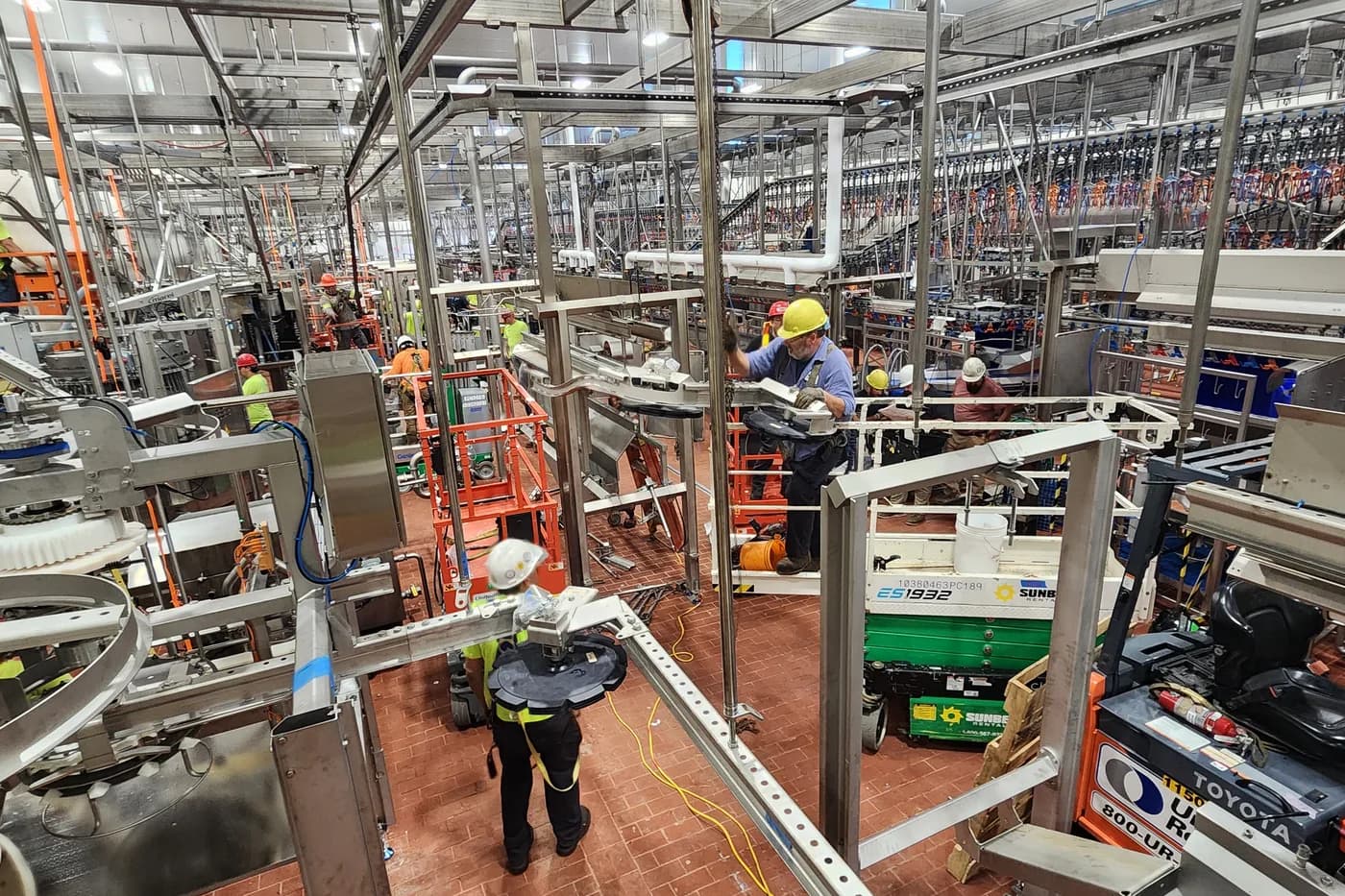
Plant distribution, machine connections, motor control and three phase work, including the jobs that have to fit inside a shutdown window.
Eight things we are called for by name. Any of them can be the whole job or one line of a larger one.
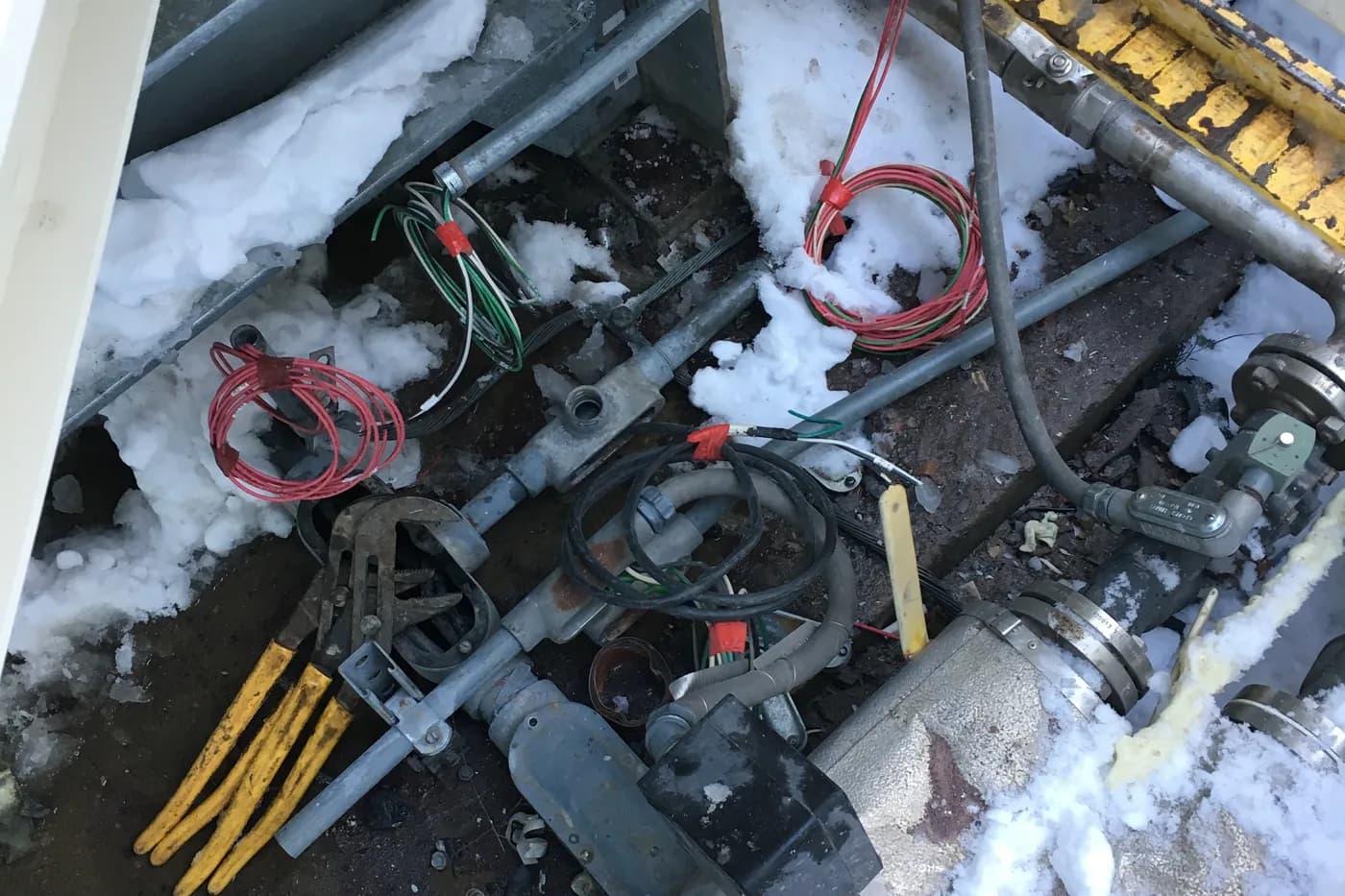
Power off, a phase dropped, a panel that smells hot. Answered around the clock, because the clock is the expensive part.
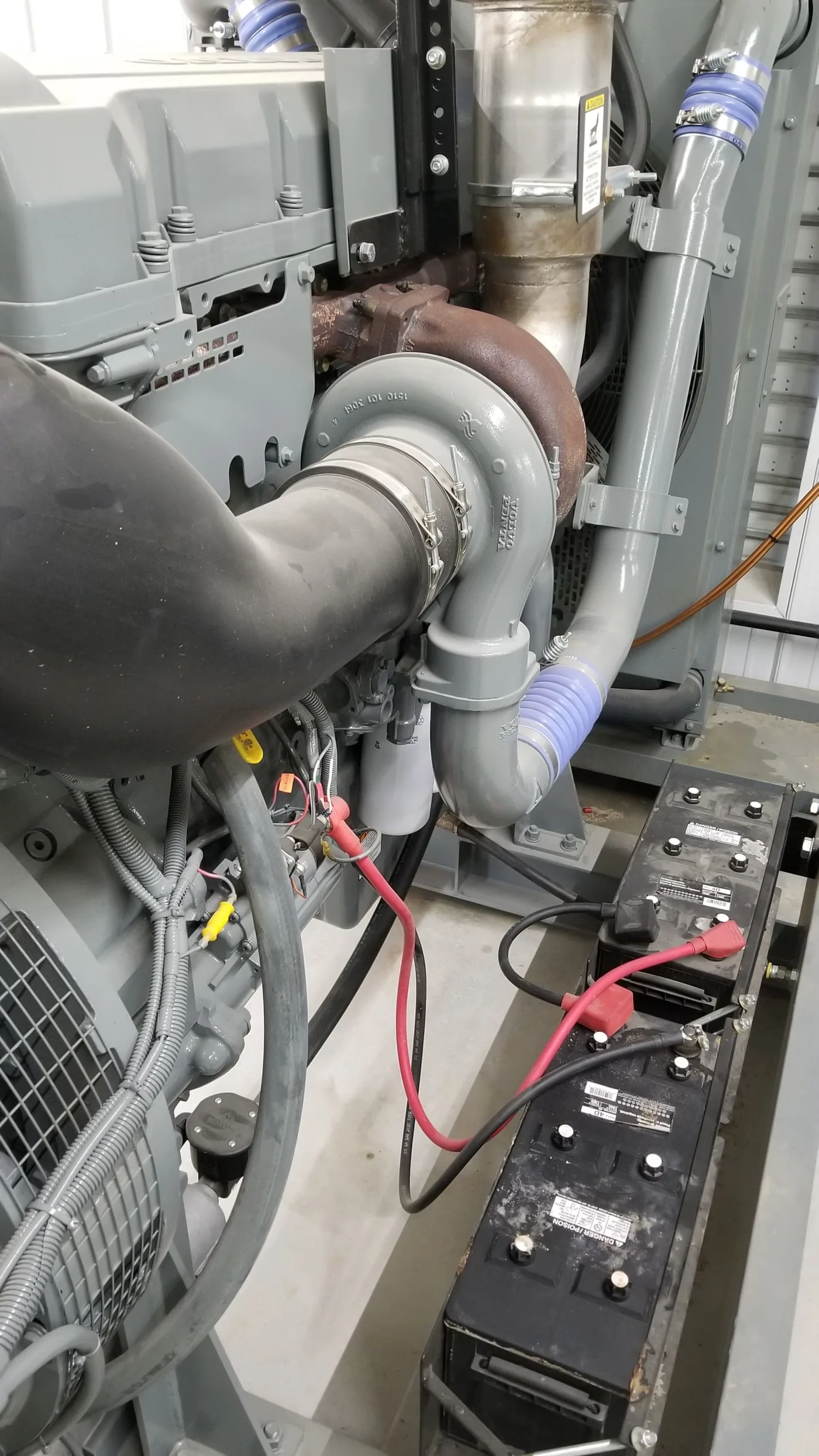
Sized around the loads that cannot wait rather than around the size of the service. Transfer switch, fuel line and the wiring between them.
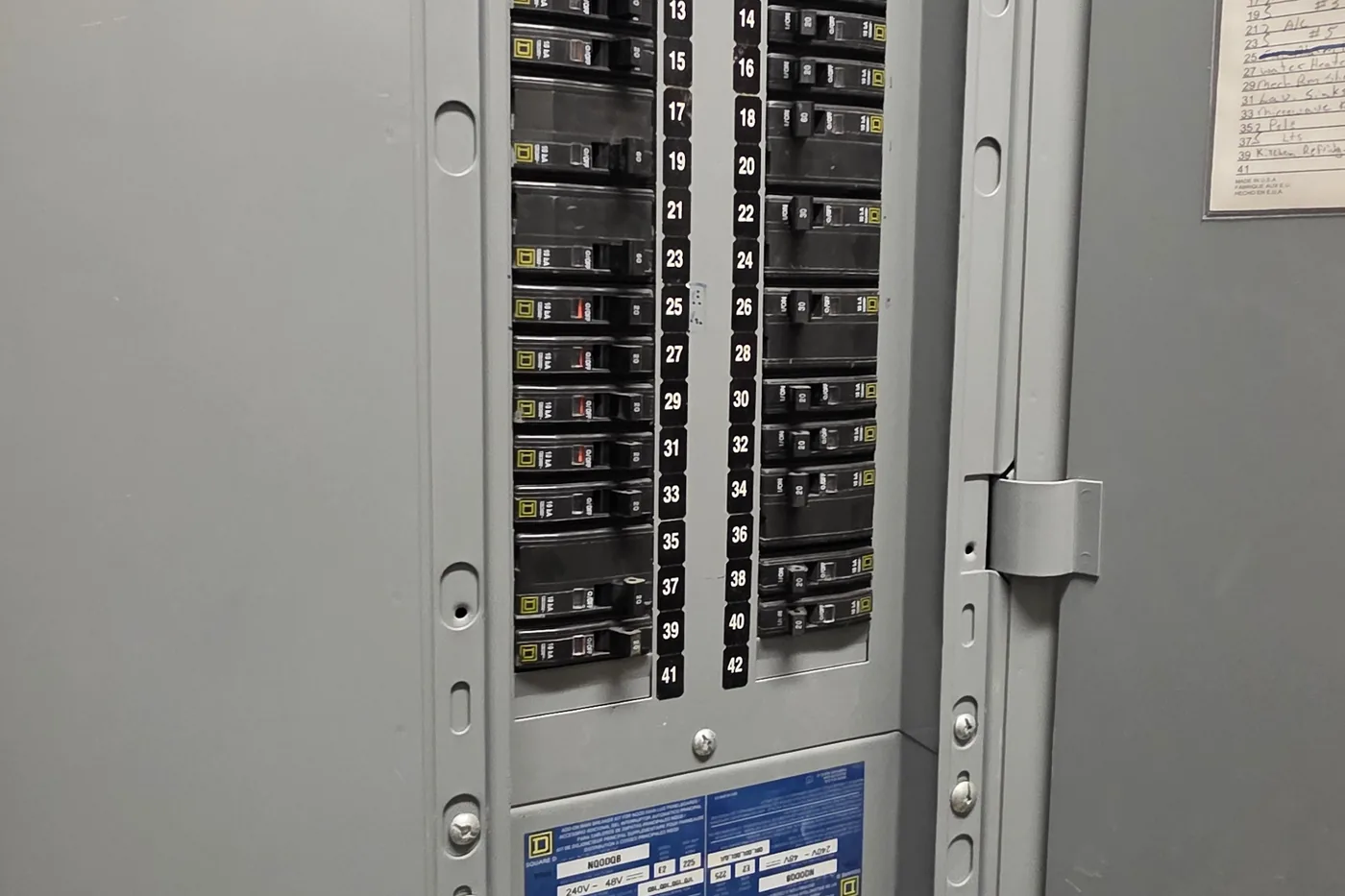
For when the service is smaller than everything that has been added to it since. Sized for the real load, coordinated with the utility, cut over in the shortest window the job allows.
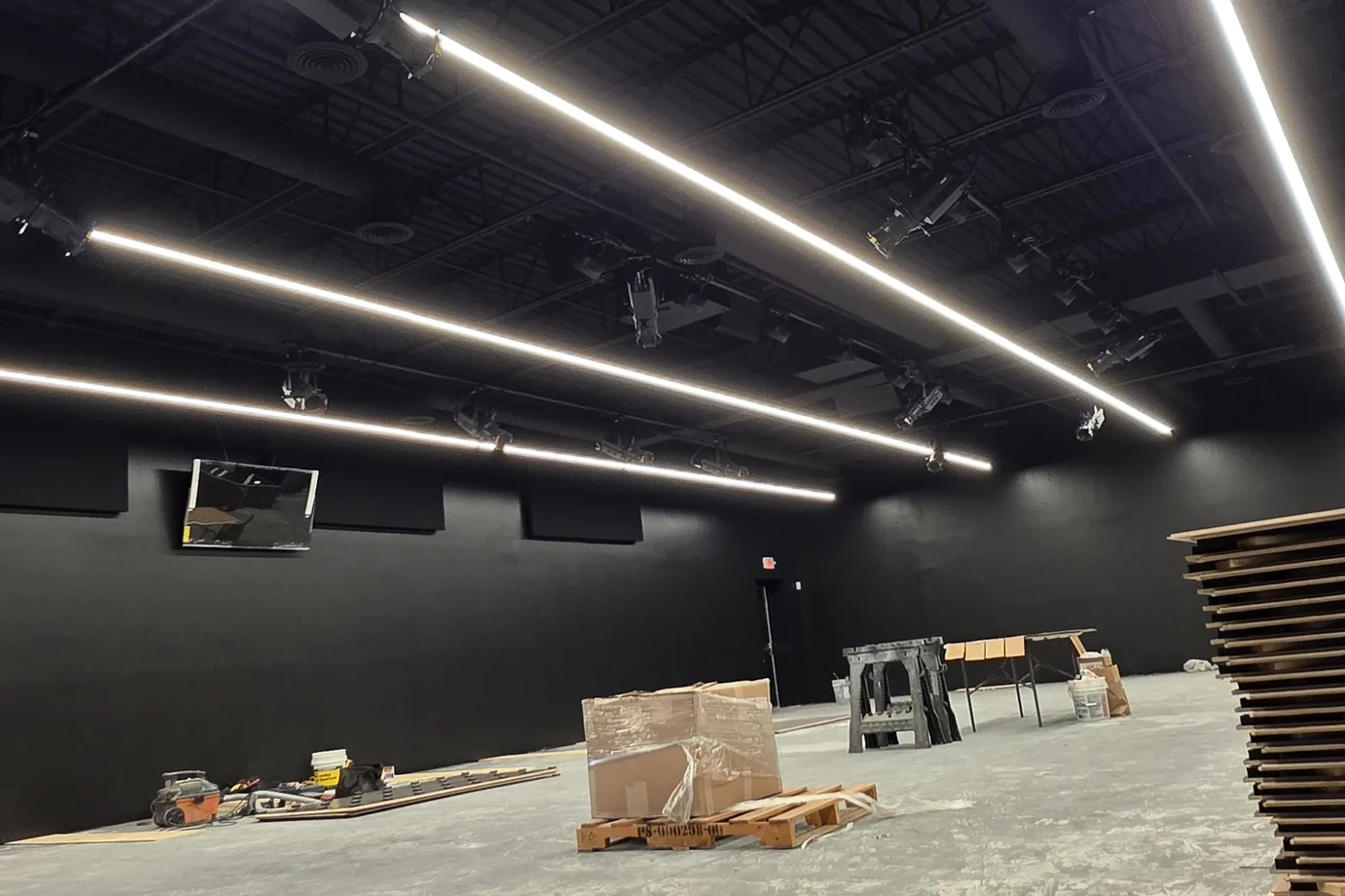
Barns, shops, warehouses and lots. Usually fewer fixtures than you had, better light where the work actually happens, and a bill that drops the month after.
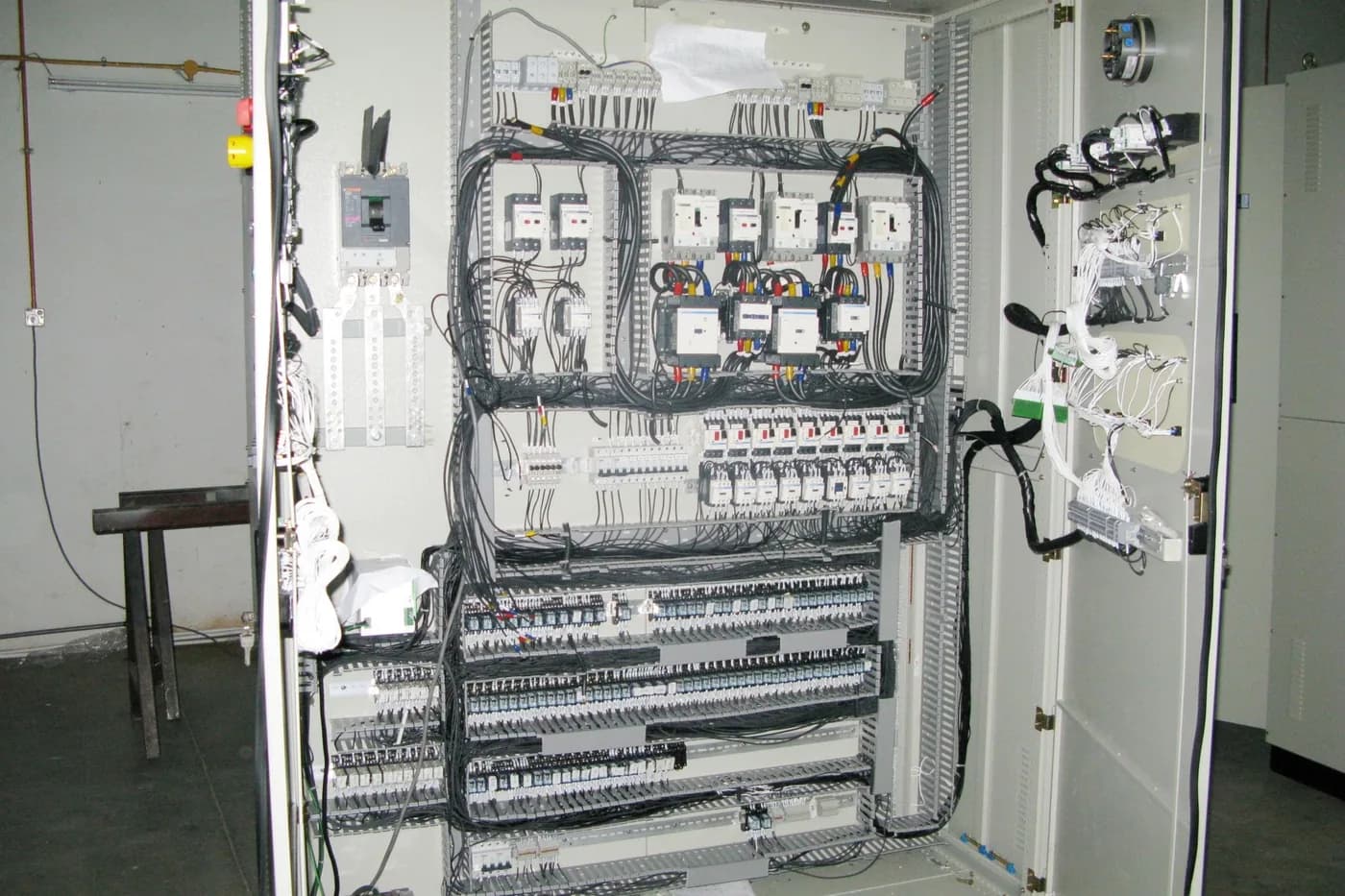
Panels built and wired, motor starters, drives and the connections out to the machines that earn the money.
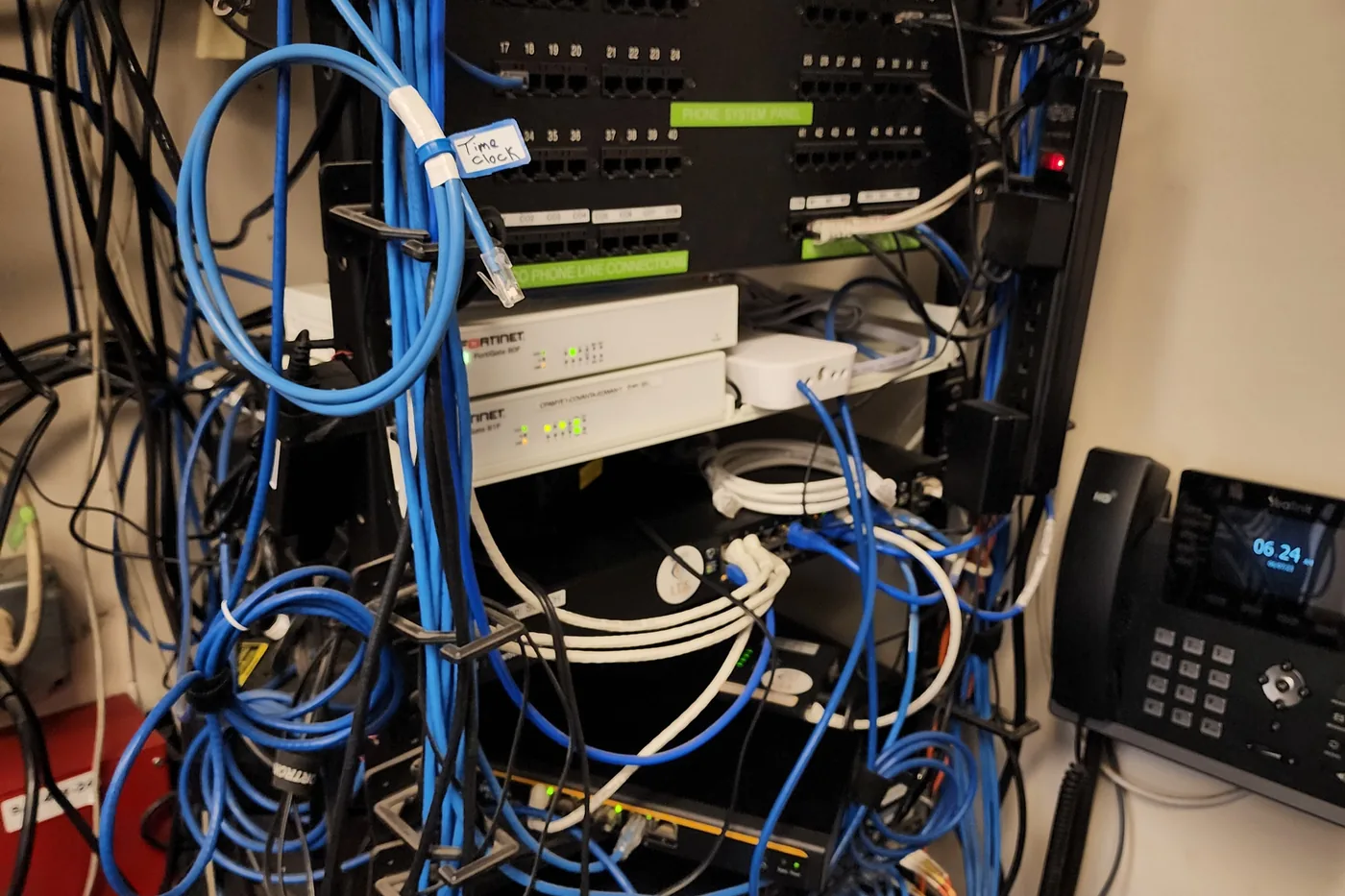
Controller and sensor wiring, data, cameras, and the alarms that have to reach a phone at three in the morning to be worth anything.
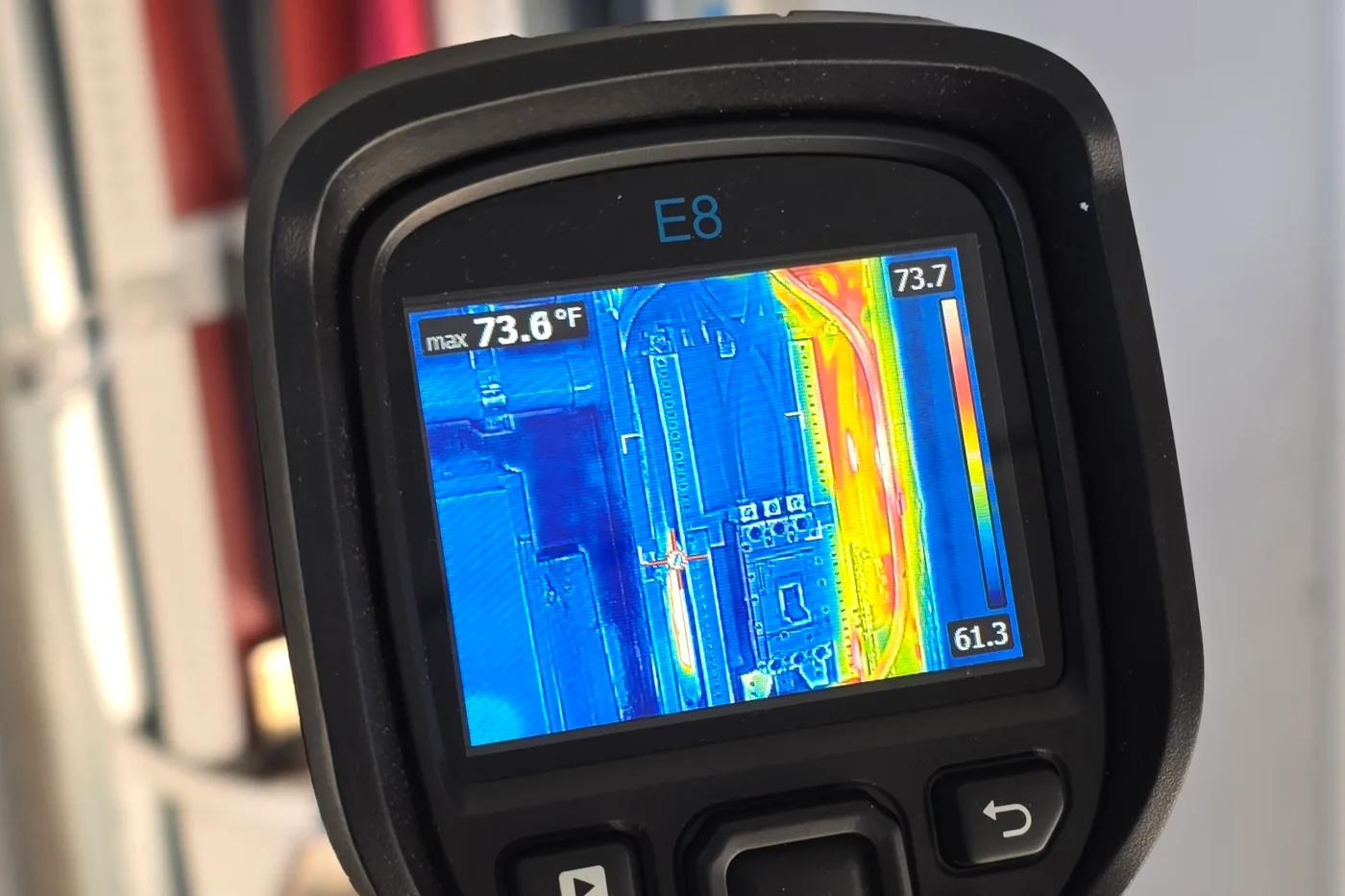
Infrared surveys and scheduled checks. Thermal imaging finds a loose connection while it is still only warm, which is the cheapest moment to find one.
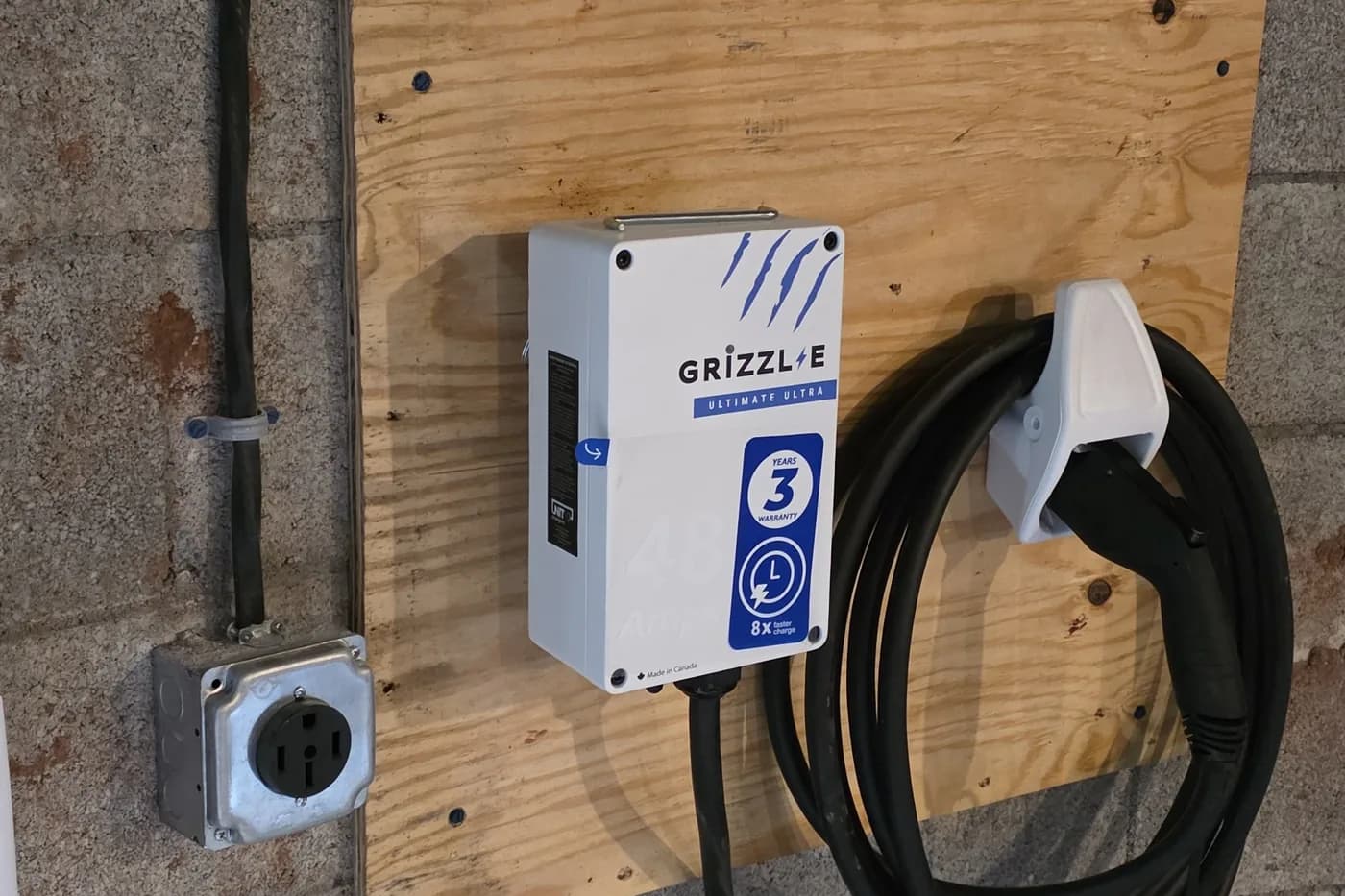
Commercial and fleet charging, from the panel out to the parking space, along with whatever service work has to happen first.
Quality and speed are not opposites on this kind of work. They depend on the same thing, which is nobody waiting on anybody else. We keep the whole chain in one pair of hands so there is nobody to wait on.
On anything larger than a service call, before a number is written down. Guessing at a load or a service size over the phone helps nobody.
A load calculation first, so the service, the feeders and the generator are sized around what the building actually runs and not around what fits the conversation.
Gear, panels, fixtures, generators, controllers. You are not the one chasing a supplier, comparing catalogue numbers, or finding out in week six that something arrived in the wrong voltage.
Milking, loading, a hatch, a shutdown window. The work is planned around whichever of those cannot move, not around our week.
Transfer switches run under load, drives and controllers configured, sensors checked, alarms made to actually reach somebody. Equipment that was installed and never tested is not finished.
A panel schedule and labels left in the panel rather than in a van, and the same number answered afterwards by the same people who did the work.
Describe the building and what it has to run. If it is something we should not be doing, we will say so and usually know who should.
