Poultry houses
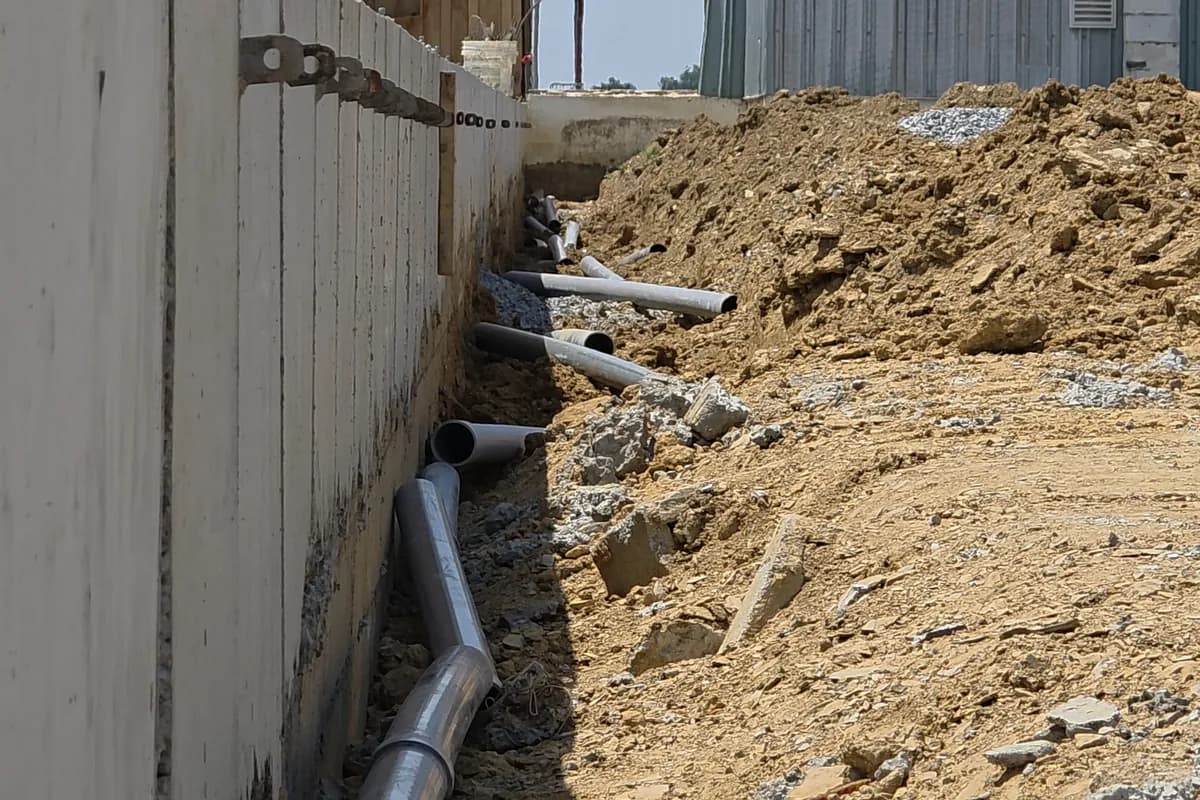
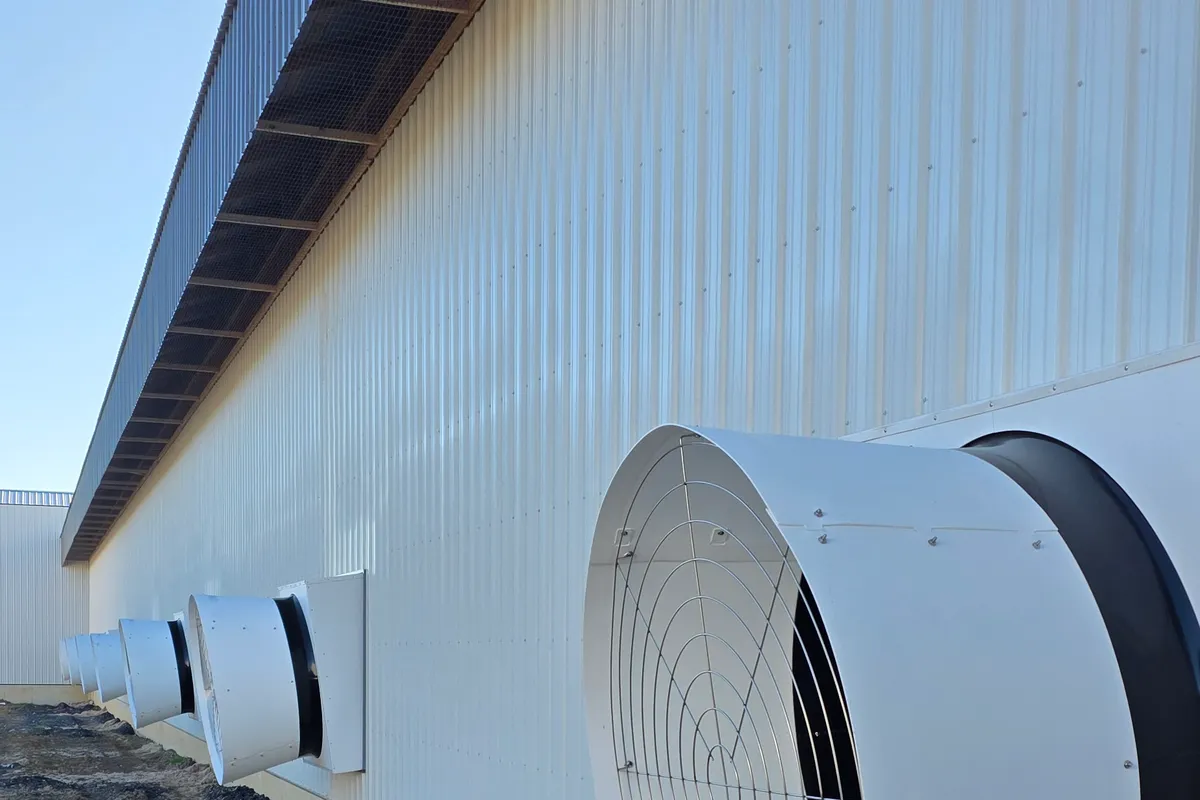
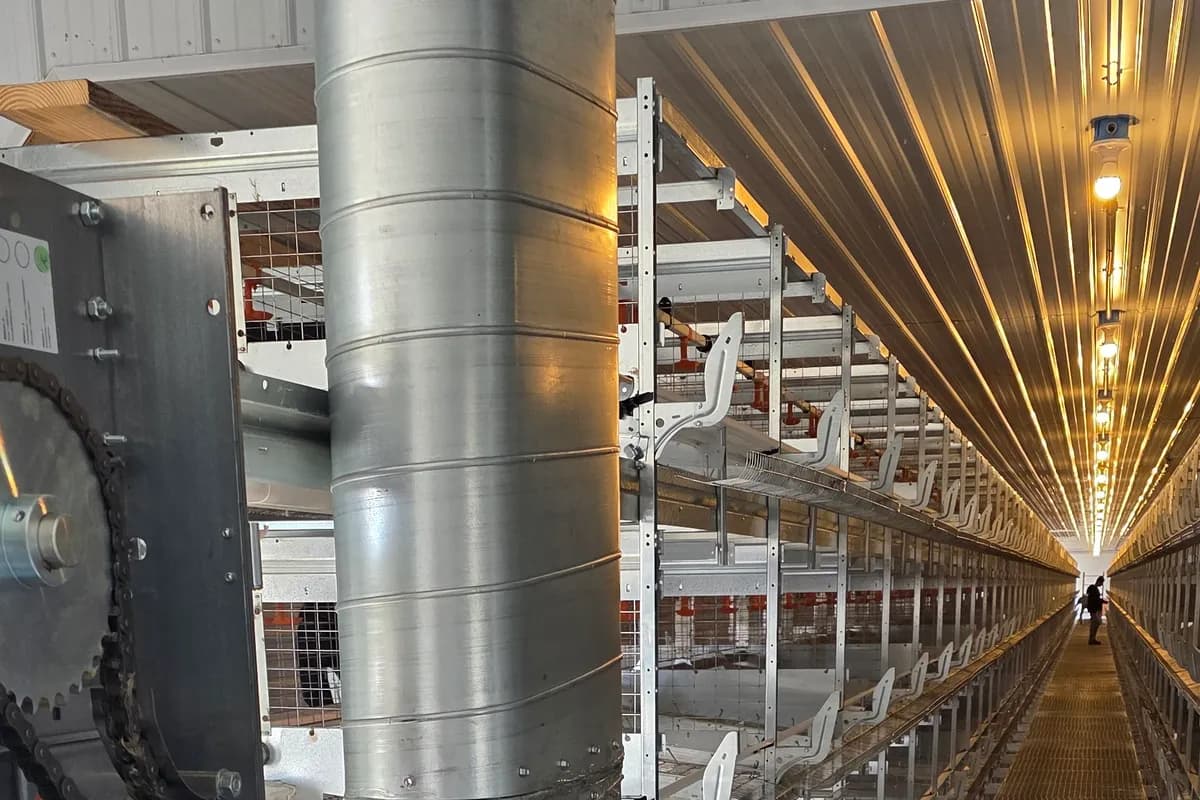
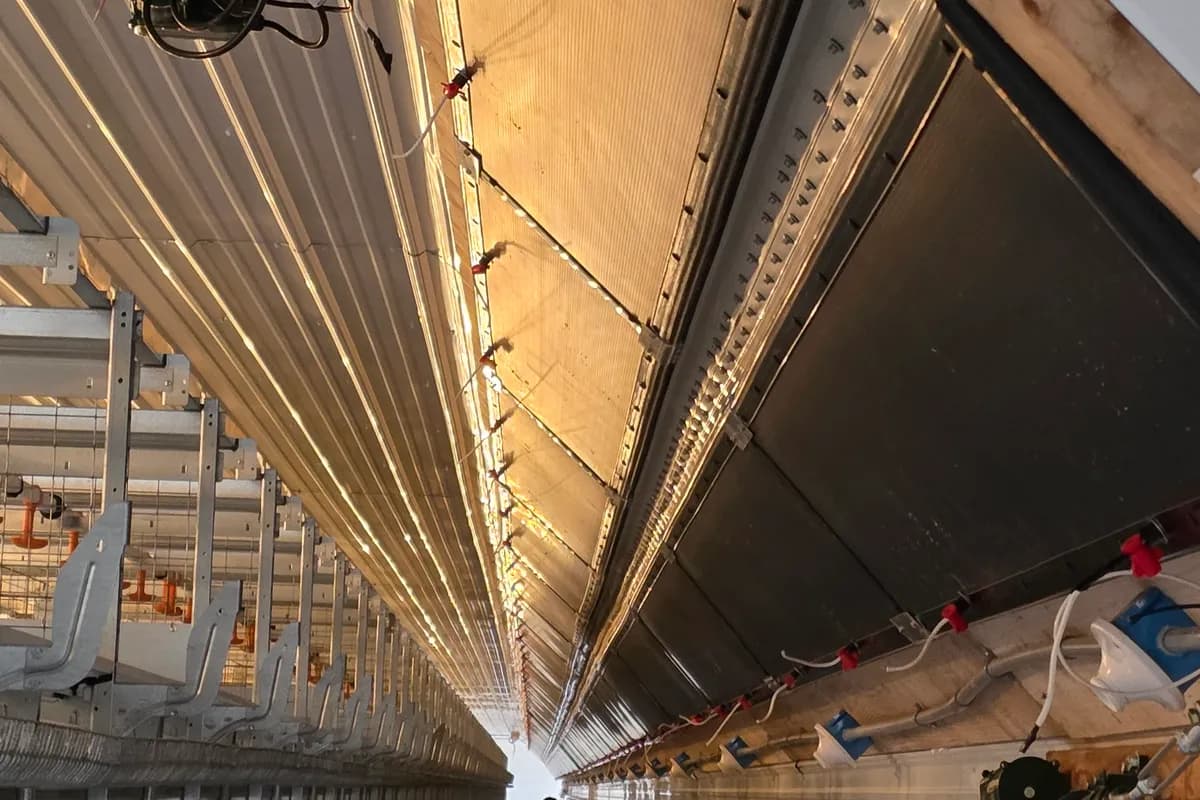
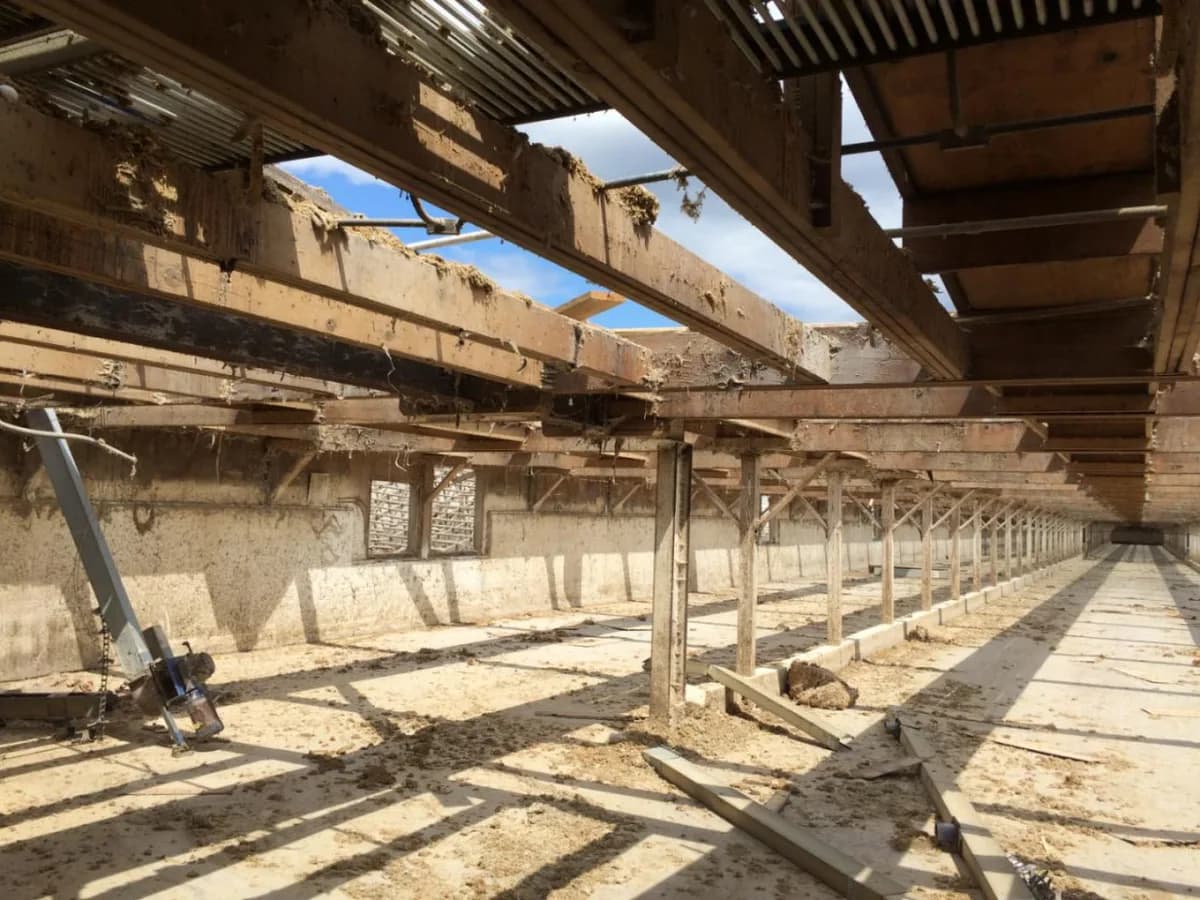
Broiler, layer and pullet houses, plus the equipment rooms behind them.
Electrical work for poultry houses, dairy barns, grain and feed systems, and the farm buildings around them, serving Lebanon, Lancaster and Berks counties in Central Pennsylvania. From new builds and service upgrades to ventilation, controls, motors and standby power, Slon Electric builds and maintains the electrical systems a working farm depends on.
What we do
Broiler, layer and pullet houses, plus the equipment rooms behind them.
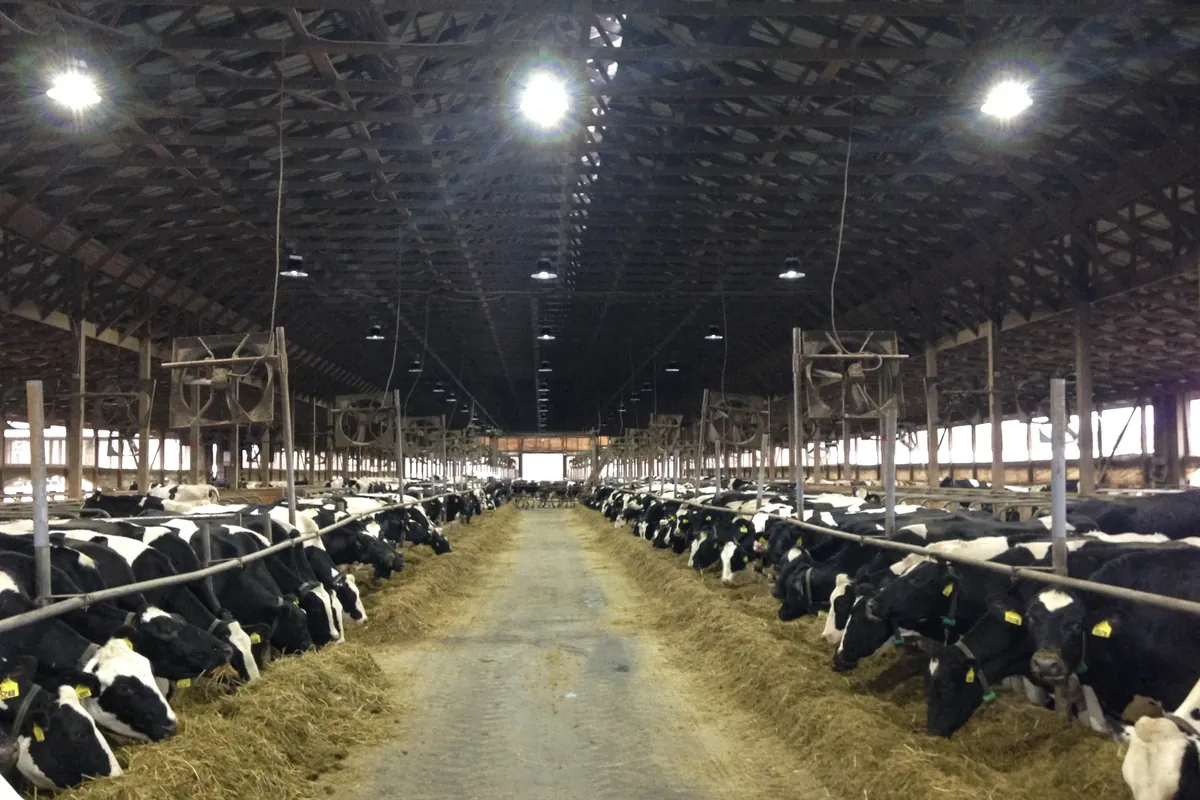
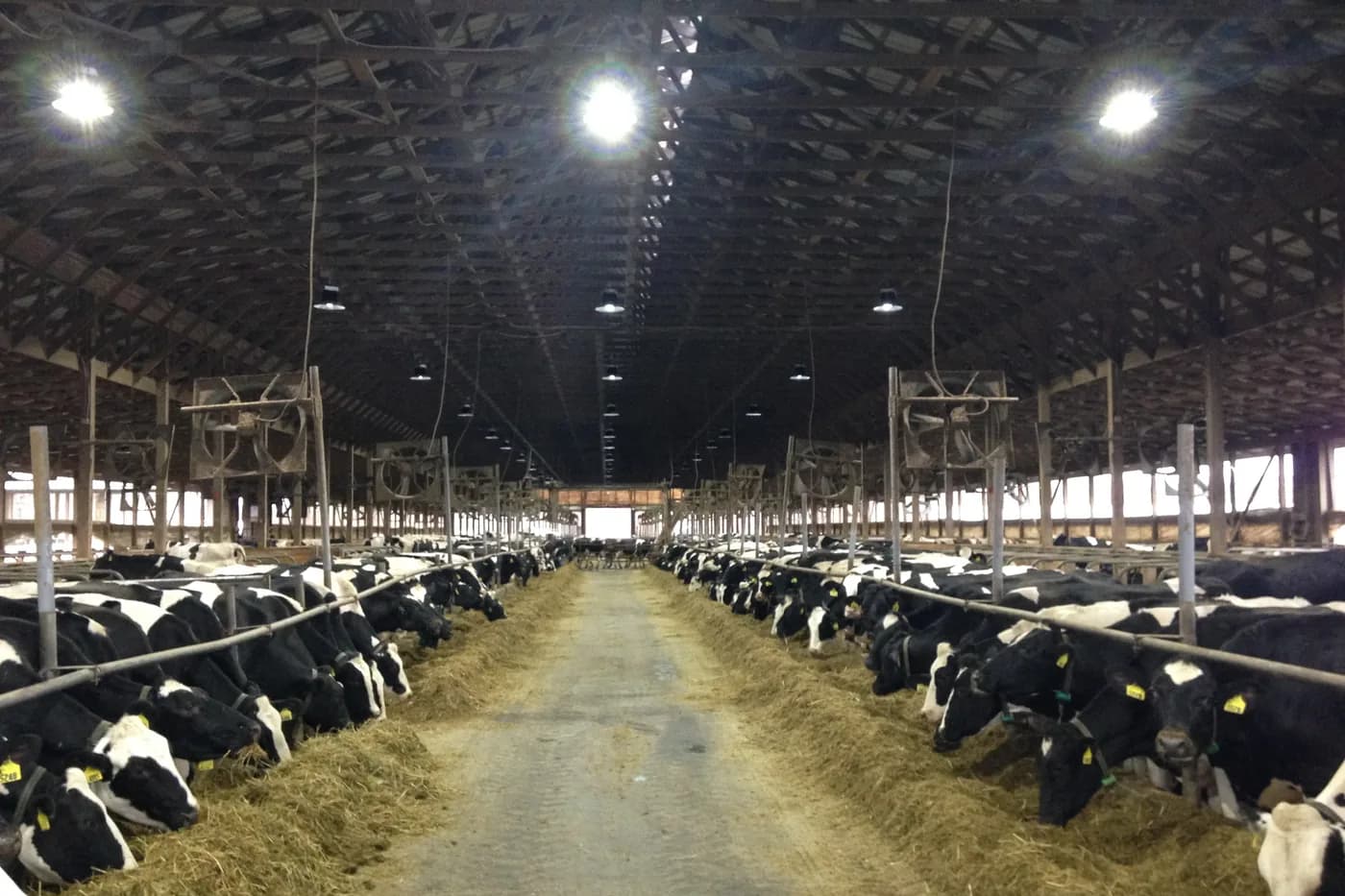
Free stall, tie stall, parlour and bulk tank rooms.
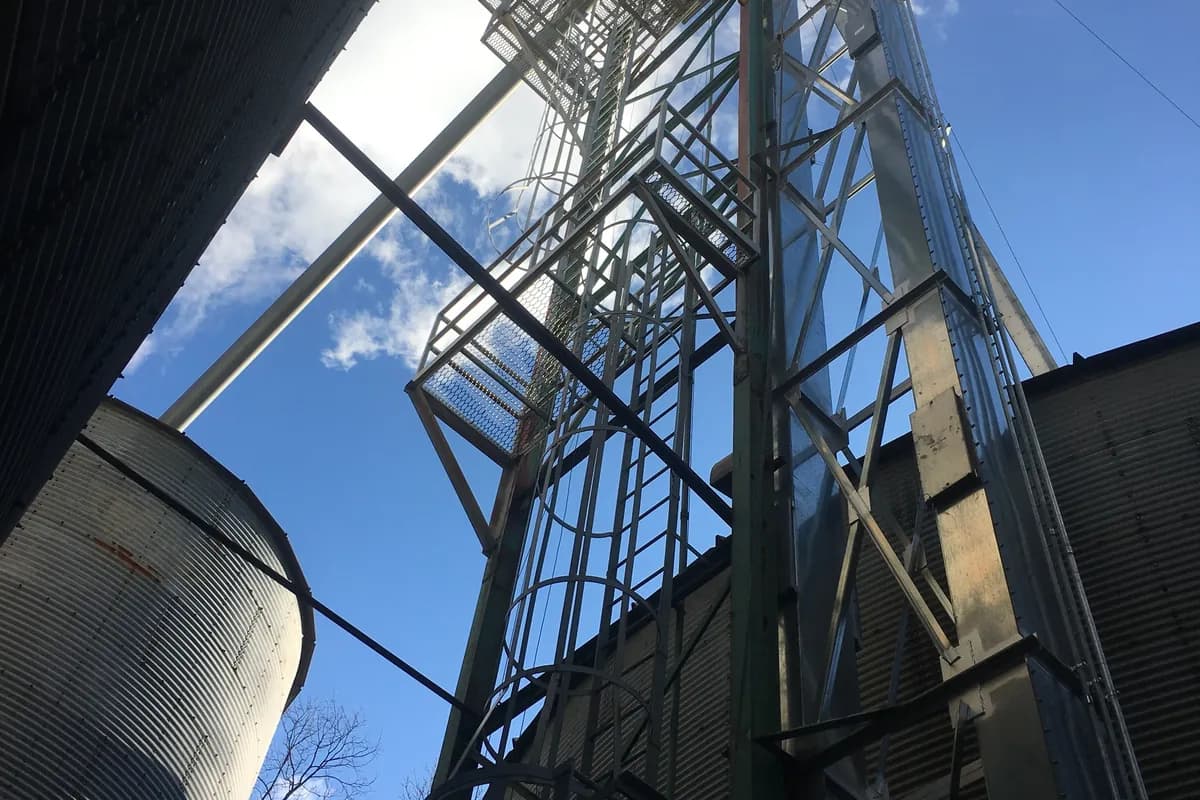
Dryers, legs, bins and the controls that sequence them.
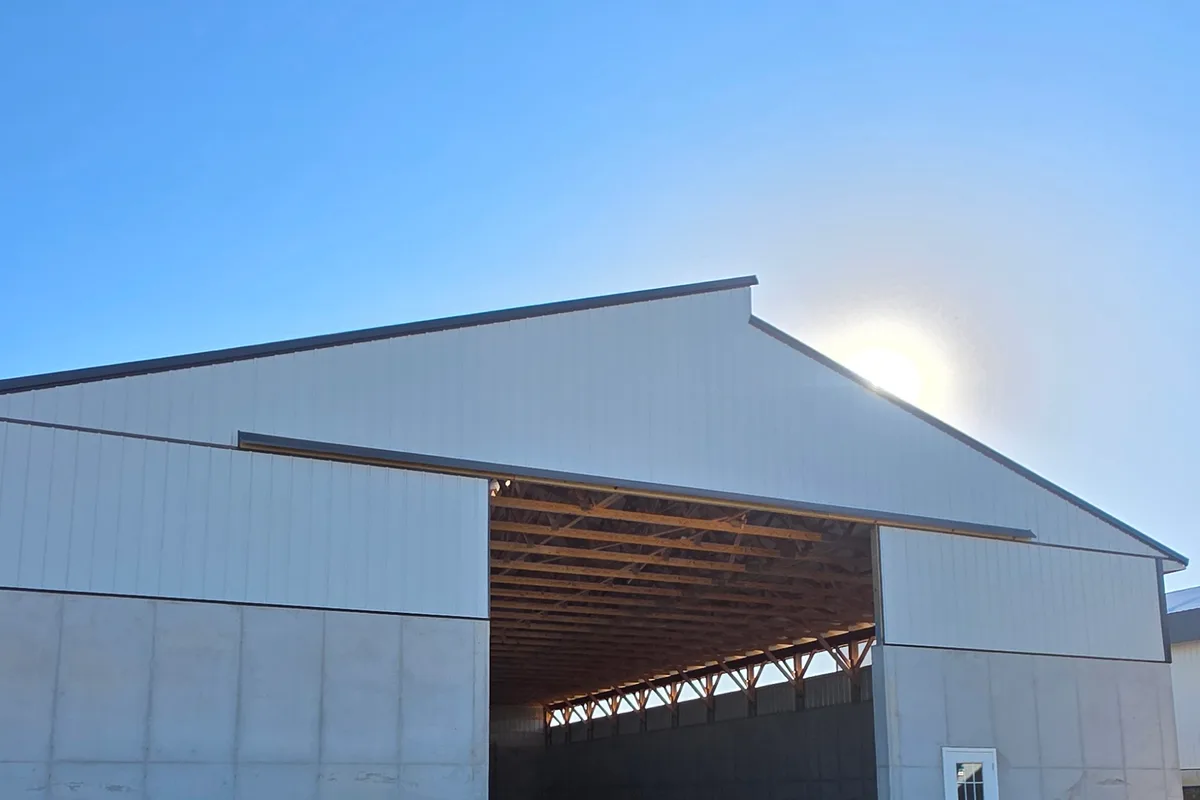
The buildings that are not livestock but still on the yard.
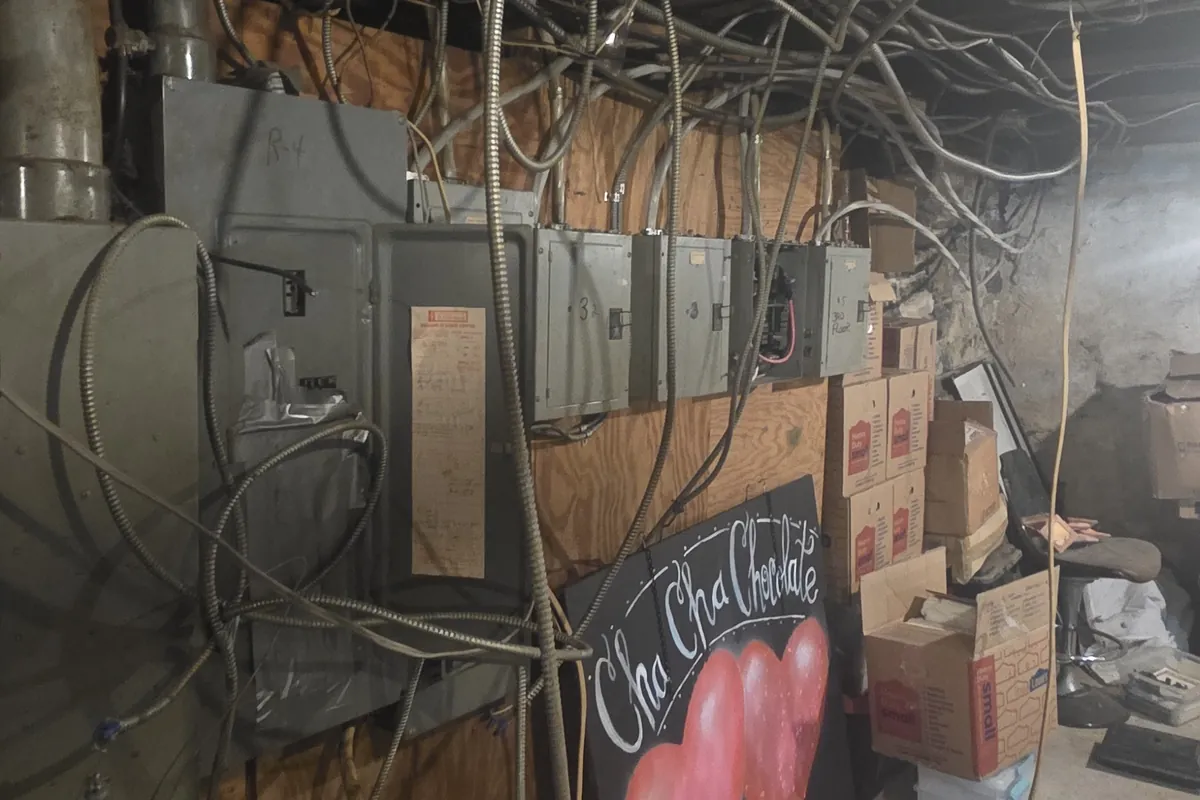
Everything between the utility and the building panels, sized from an honest load calculation rather than habit.
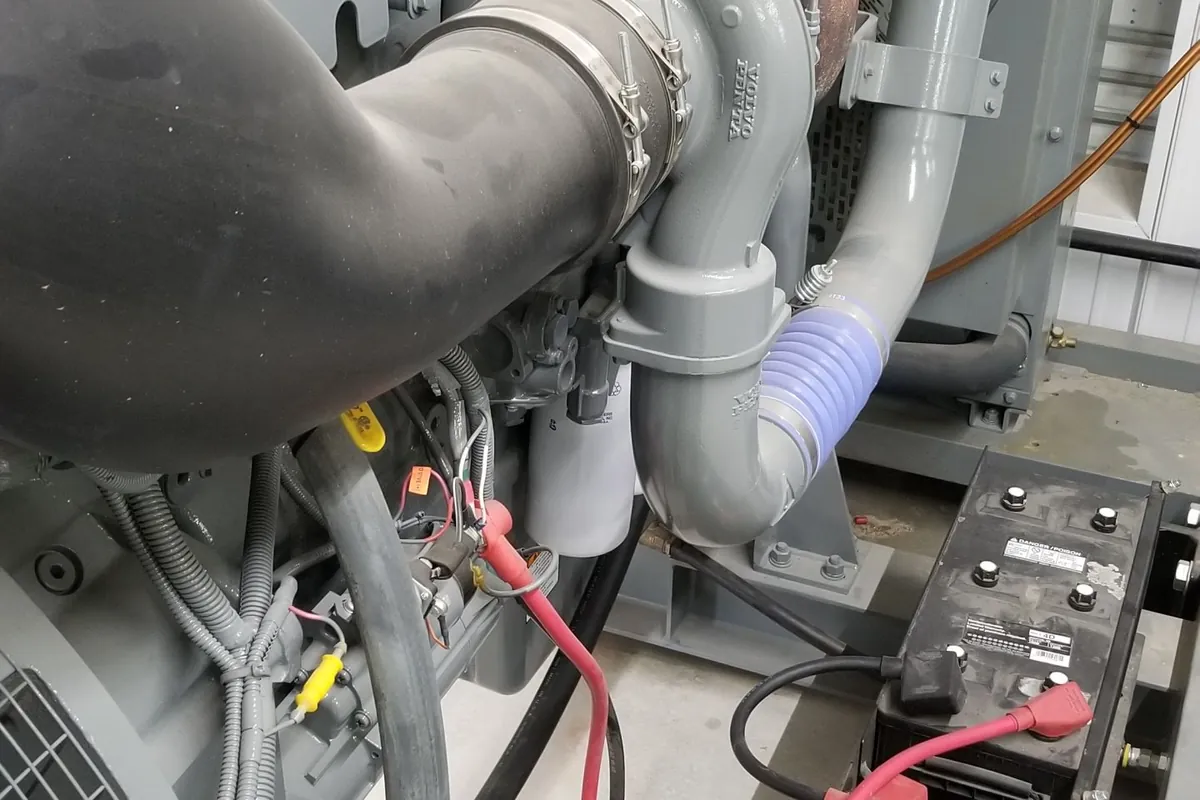
What keeps the critical list running when the line drops: the fans, the pumps and the alarm that calls you.
Fewer fixtures than you had, placed where the work actually happens, with a bill that drops the month after.
Built and wired for the person who opens it at two in the morning without having built it.
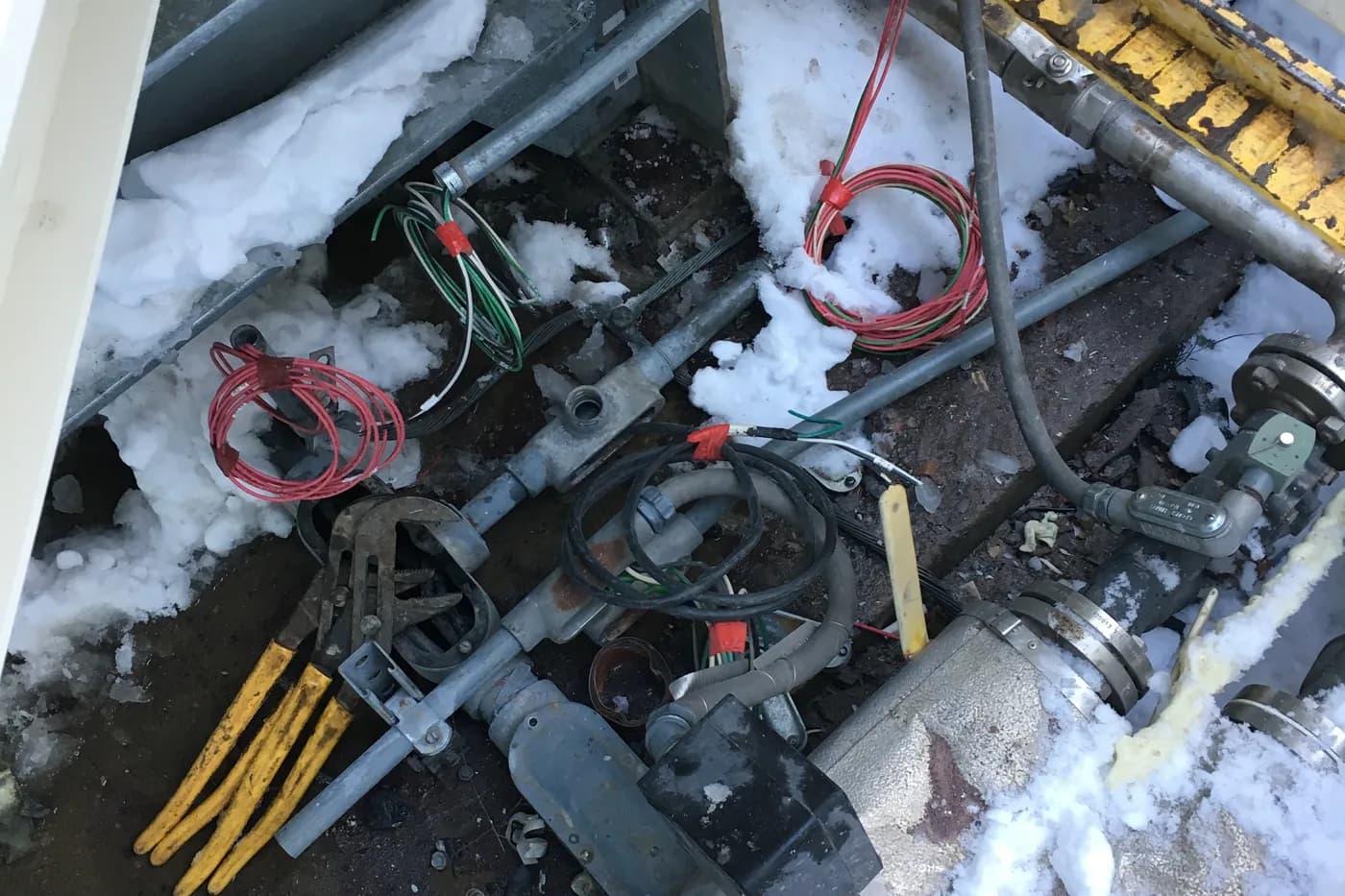
A ventilation failure at two in the morning does not wait until Monday. Answered around the clock.
The work
The work splits into three groups. There is the power itself: the service entrance, the distribution across the yard, the feeders to each building. There is the equipment side: ventilation, controllers, augers, dryers, milking and cooling. And there is the layer most people only think about after an outage, which is standby power and the alarms that tell you something has stopped.
All three are ordinary weekly work here rather than something we do occasionally. Lebanon and Lancaster counties run on poultry, dairy and grain, and the buildings in them have specific requirements that a crew working mostly in offices will not know to apply.
The third layer is the one that gets cut from budgets and then gets bought twice. A farm that has a generator but no alarm still loses the house, because the failure that matters is rarely the one that takes the whole yard dark. It is the single contactor, the one dropped phase, the controller that locked up while everything around it kept humming.
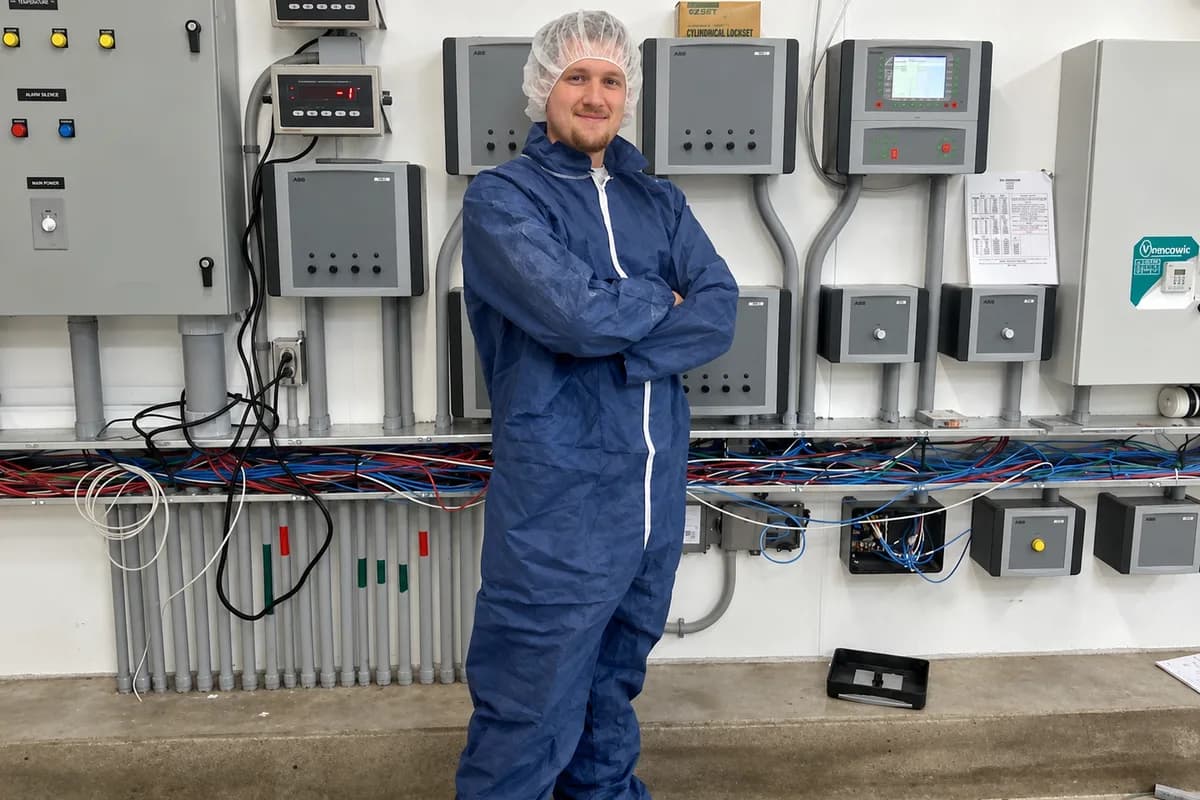
Agricultural buildings where livestock are housed, or where dust and a corrosive atmosphere are normal, fall under Article 547 of the National Electrical Code. It restricts wiring methods, requires enclosures and fittings that keep dust and washdown out, and in the areas where animals stand it requires an equipotential plane bonded into the concrete.
That last one is the part that gets missed most often and costs most to correct, because it is decided at the concrete stage rather than the wiring stage. We go through the whole article in plain language in what the code actually requires in a barn.
The other thing a farm brings is ammonia. It corrodes aluminium, attacks terminals and finds its way into anything not properly sealed. Fixtures and enclosures chosen from a general commercial catalogue commonly last two or three years in a poultry house and then start failing one at a time. Choosing for the environment rather than the price list is most of what makes a farm installation last, and we set out the reasoning in choosing a wiring method for agricultural buildings.
Every farm has a short list of circuits where an outage costs something immediately. On a poultry operation it is ventilation, and the clock is measured in birds. On a dairy it is milk cooling and the parlour. On a grain operation it is whatever is loaded and turning when the power drops.
That list is what standby power should be sized around, not the size of the service. Sizing from the service is how farms end up paying for a generator twice as large as they need, and sizing from running load alone is how they end up with one that will not start the fans. The arithmetic is worked through in why a generator that looks big enough still stalls.
The same list should decide what is alarmed and what that alarm reaches. A controller that cannot raise somebody at three in the morning is the same problem as a fan that will not start.
Almost no farm around here was wired to a plan. It was wired to a sequence: the house, then the barn off the house, then the shop off the barn, then the new heifer barn off whichever panel was nearest in 2009.
That arrangement causes three problems that all show up years later. Feeders sized for the first building carry four. Voltage drop stacks along the chain until motors will not start at the far end. And the grounding and bonding become impossible to trace, which is the mechanism behind most stray voltage complaints.
Rebuilding how a yard is fed is usually the job underneath a complaint rather than the complaint itself. We explain the arrangement that works in the distribution point on a farm, and what it took on a real yard in rebuilding a farm service entrance.
What this covers
If what you need is not on the list, it is still worth asking. This is what we are asked for most, not the limit of what we do.
Broiler, layer and pullet houses, plus the equipment rooms behind them.
Free stall, tie stall, parlour and bulk tank rooms.
Dryers, legs, bins and the controls that sequence them.
Everything between the utility and the building panels.
What keeps the critical list running when the line drops.
The buildings that are not livestock but still on the yard.
Broiler and layer houses
Free stall and tie stall dairy barns
Milking parlours and bulk tank rooms
Grain dryers, legs and bin systems
Swine finishing and farrowing
Pole buildings, shops and equipment sheds
01
When the integrator sets placement dates, the electrical work has to fit between flocks rather than the other way round. We plan around the down time you actually have, and we would rather do a smaller job properly in that window than start something we cannot close.
02
Milking happens twice or three times a day regardless of what we are doing. Work in the parlour gets staged between milkings, which is how we did the job written up in a parlour and bulk tank rewire.
03
A new heifer barn, a second shop or another bin looks like a small job until you ask what is left in the service. This is the point where a load calculation is worth more than an opinion, and where the honest answer is sometimes that the service has to come first.
04
Forty years of additions, three generations of wiring methods and no drawings anywhere. We start by working out what is actually there and what is carrying what, because nothing else can be planned until that is known.
05
The call usually comes after the first bad night. What we can do then is find the real cause rather than the symptom, and make sure the same failure raises somebody next time before it costs anything.
06
Grain systems, feed equipment and handling machinery arriving on site with a wiring diagram and no electrician booked. We connect, start and prove it, and we would rather be in the conversation before the concrete goes in.
How a job runs
From the first visit to the labels left in the panel, this is the order it happens in.
A call, and a few questions about what the building runs and what has changed recently.
A visit. On anything larger than a service call we come and look before quoting, because guessing at a load or a service size on the phone helps nobody.
A load calculation and, where the job needs it, a drawing. That is the cheapest hour on the whole job, as we argue in the load study write up.
A written scope and price, with the things that are assumptions clearly marked as assumptions.
Equipment ordered and staged before we start, so the building is not opened up waiting on a part.
The work, scheduled around milking, loading or whatever else cannot move.
Testing under load: fans started, transfer proved, alarms made to actually ring a phone.
Labels, a panel schedule and a record of what went where, left in the panel rather than in a van.
Plenty of electricians will take a barn job. Fewer have spent enough weeks in them to know which fixture survives ammonia, why the far end of a run will not start a motor, or what a controller is really telling you. That knowledge only comes from doing it constantly.
On every farm there is a short list where an outage costs money within the hour. We ask for that list first and design the standby power, the alarms and the repair priority around it.
Our Google listing says open 24 hours because that is how the phone is covered, not as a marketing line. What that actually looks like is described in a winter failure call.
Anatoly quotes the job and his crew does it. Nothing is handed to a subcontractor you have never met, and the person who answers when you call afterwards is the person who did the work.
Equipotential planes, sealed fittings, corrosion resistant enclosures and the right wiring method for the room. It costs a little more on the day and it is the difference between an installation that lasts fifteen years and one that starts failing in three.
Reviewed by the people who paid the invoices, mostly for generator work, service upgrades and farm wiring. We would rather point at that than at adjectives about ourselves.
5.0 ★ on Google · Open 24 hours
Read first
Agricultural
What does the code actually require in a barn that it does not require in a shop?
Agricultural
The cows are holding back in the parlour. Could it be stray voltage?
Agricultural
Should every building have its own panel, or should everything come off one?
Agricultural
EMT, PVC or cable in a barn. What actually survives?
Agricultural
The compressor in the far shed will not start on a hot day. Is the wire too small?
Anatoly runs the crew and usually answers the phone himself. Based in Myerstown, working across Lebanon, Lancaster and Berks counties, open 24 hours.