Commercial electrical contracting
Commercial electrical contracting across Lebanon, Lancaster and Berks counties: fit outs, remodels, service and panel upgrades, lighting, parking lots and EV charging.
A service upgrade is one of the few electrical jobs where the decision matters more than the labour. Size it from a calculation and it lasts twenty years. Size it from habit and you pay twice, because the second upgrade costs more than the difference would have. This page covers how the size gets decided, what the utility controls, and what actually happens on the day the power goes off.
What we do
Commercial electrical contracting across Lebanon, Lancaster and Berks counties: fit outs, remodels, service and panel upgrades, lighting, parking lots and EV charging.
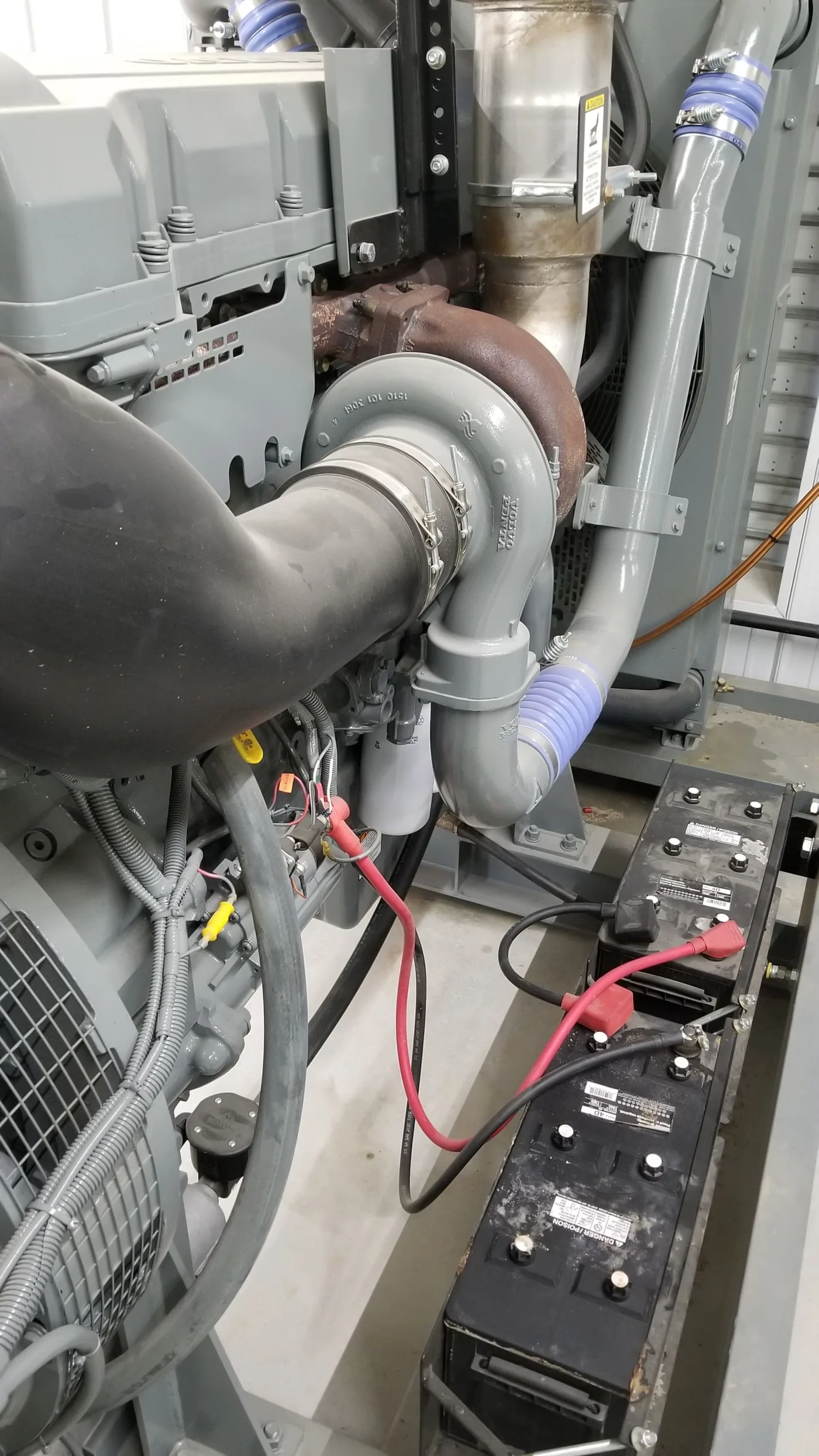
Standby generator installation, transfer switches and generator service for farms, plants and businesses in Lebanon, Lancaster and Berks counties. Sized from a real load list.
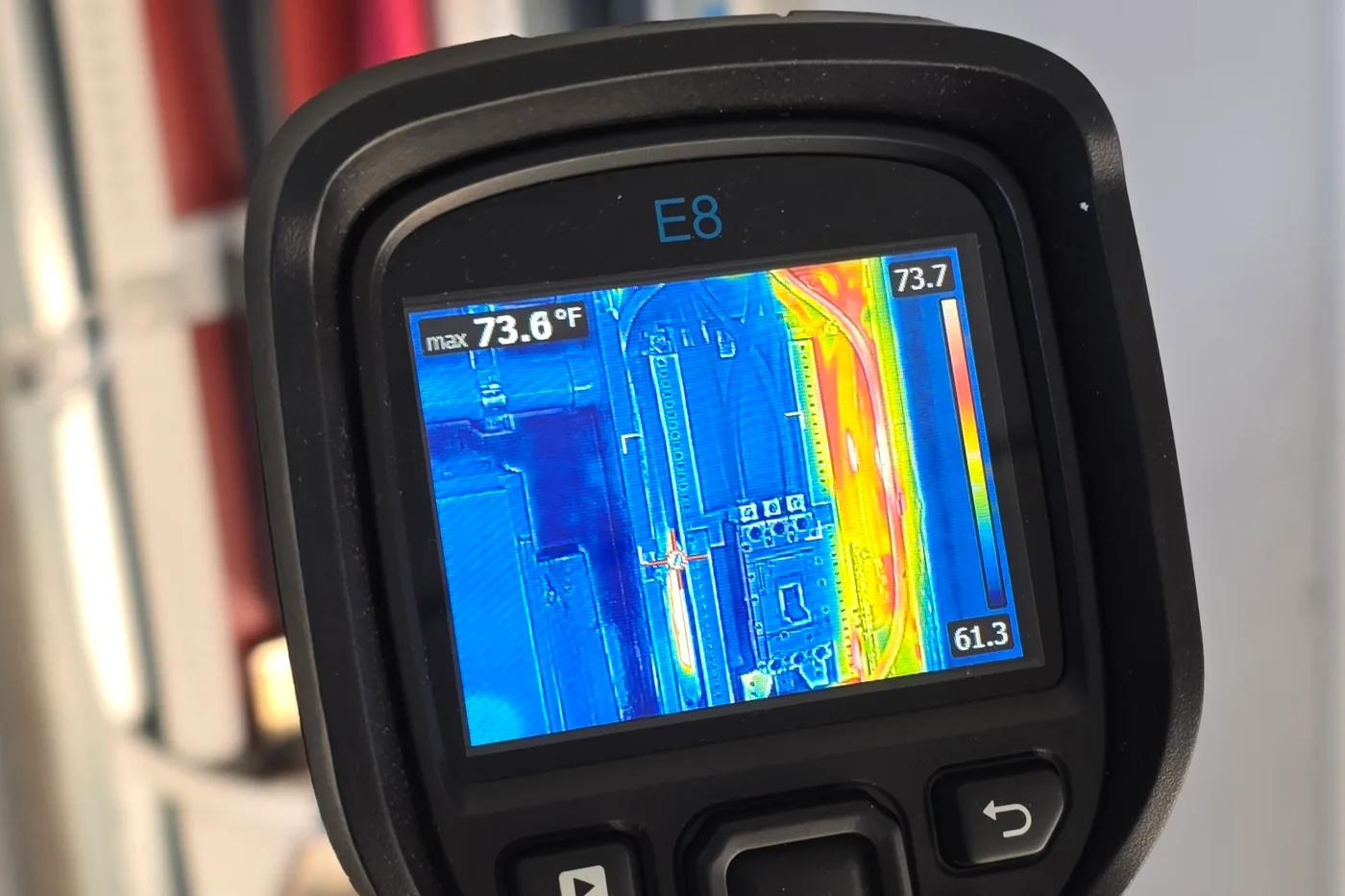
Infrared thermographic surveys, torque and insulation testing, and arc flash studies for plants and farms across Lebanon, Lancaster and Berks counties in Pennsylvania.
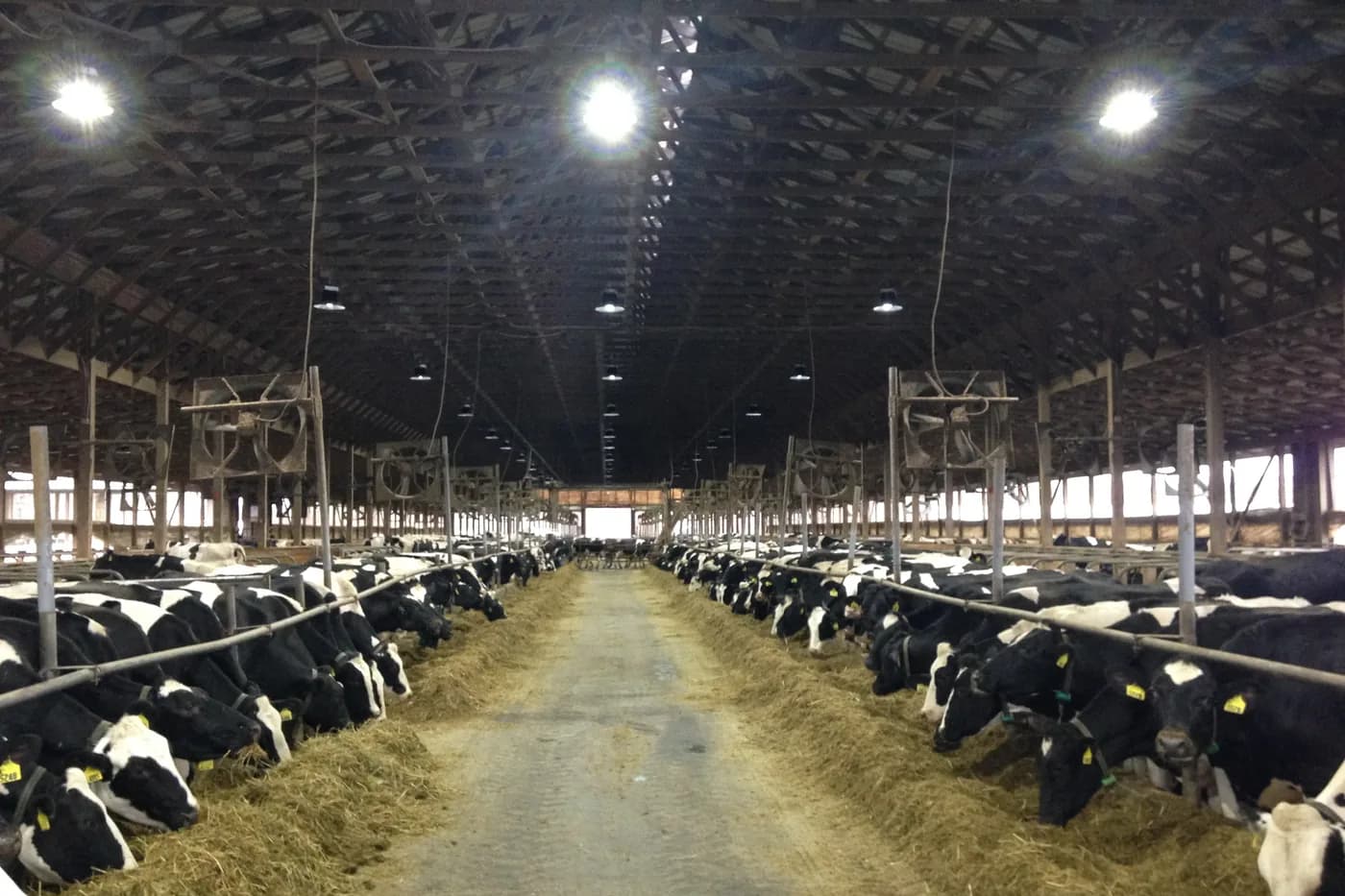
Electrical work for poultry houses, dairy barns and grain systems across Lebanon, Lancaster and Berks counties: ventilation, controls, standby power and farm services.
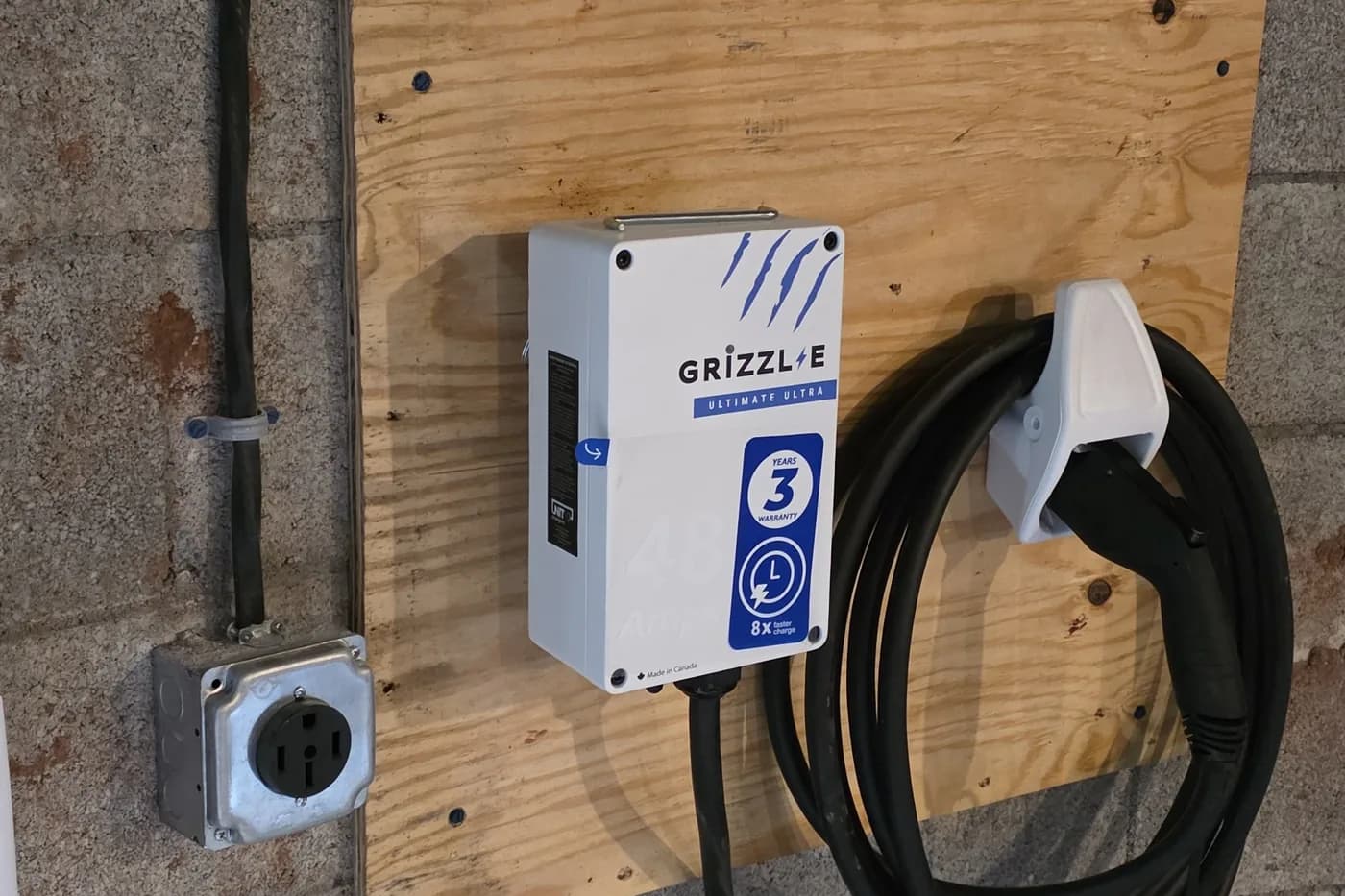
Commercial EV charger installation, load calculations, load management and conduit for future stalls across Lebanon, Lancaster and Berks counties in Pennsylvania.
What it is
Most buildings do not announce it. The symptoms arrive one at a time over several years, each treated as its own small problem, until somebody adds them up.
The size comes from Article 220, not from what the neighbour installed. For an existing building there is a better route than adding nameplates up: 220.87 lets the calculation use the maximum demand recorded over the previous twelve months, taken at 125 percent, plus the new load. Utility demand data, or a recording meter left on the service for a month, turns a guess into a measurement. That is the argument in the load study write up.
It is also what stops 200A being the automatic answer. Two hundred amps is a residential reflex. On a farm yard feeding several buildings, in a shop with a welder and a compressor, or in a restaurant, it is often too small and the right answer is 400A, 600A or three phase, as in this three phase distribution upgrade. Plenty of other buildings need no more amperes at all. They need the distribution rearranged, because the problem is where the power goes rather than how much arrives, which is the subject of how distribution is arranged in a building and of when a panel is no longer enough.
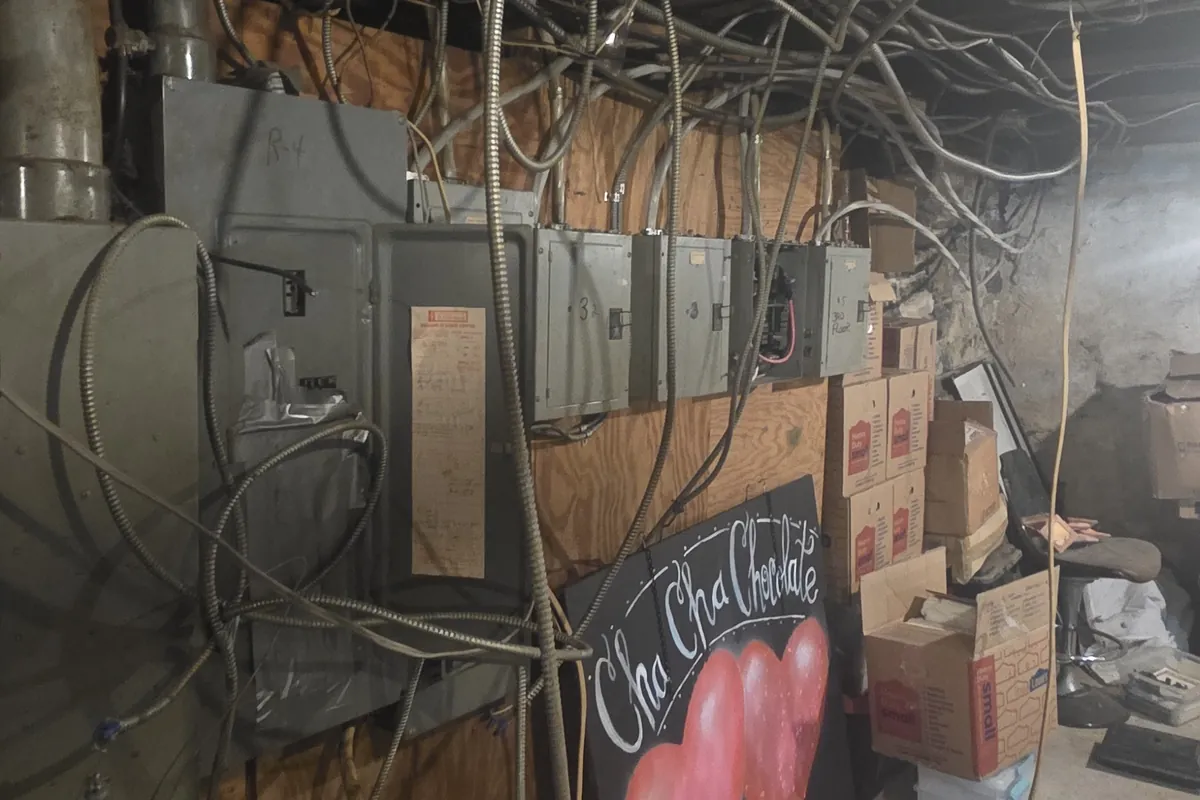
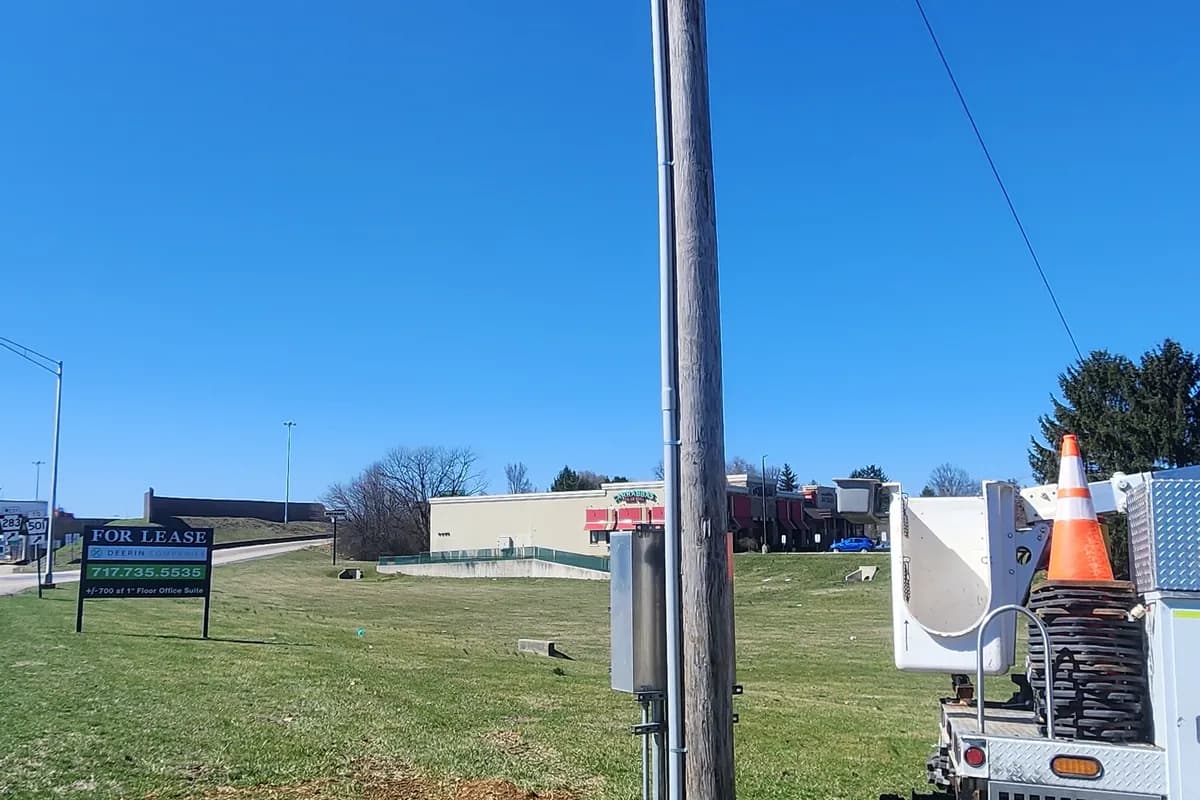
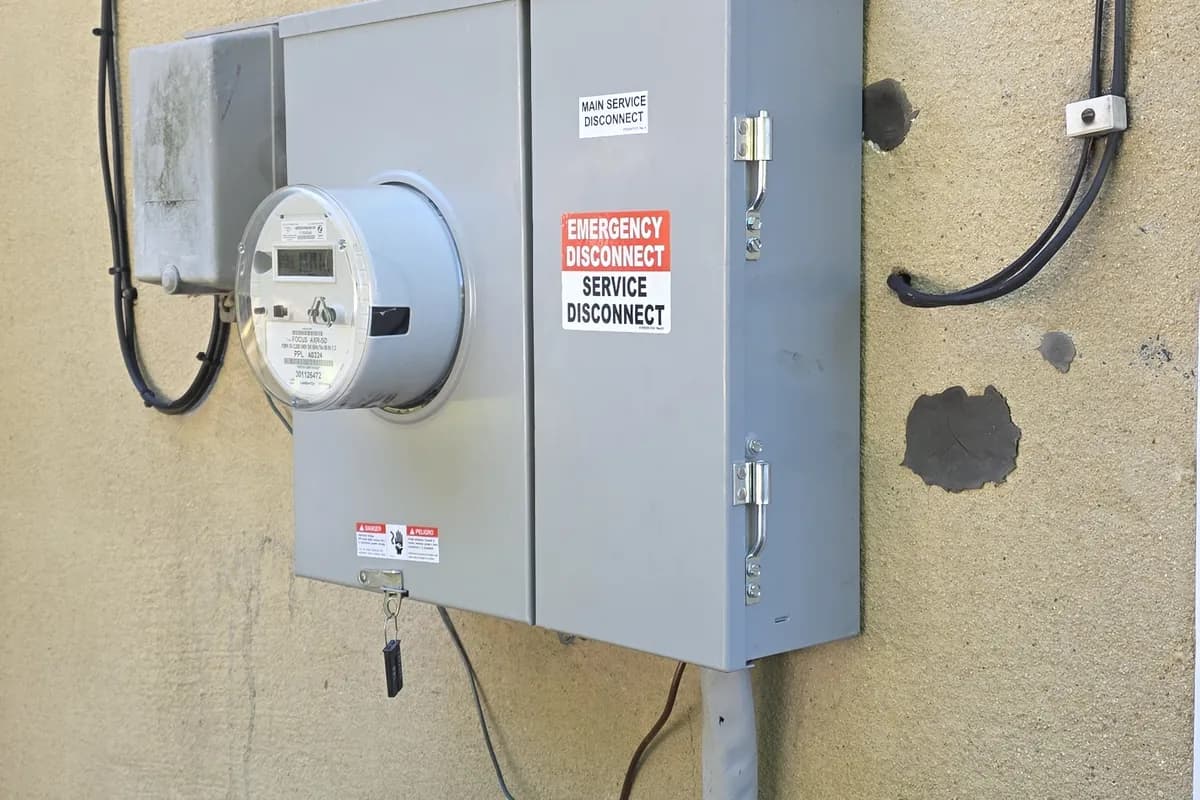
The ownership line runs through the meter. The utility owns the transformer, the drop or lateral and the metering. The service entrance conductors, the meter socket, the main and everything downstream are yours. That split is why an upgrade always has two schedules running at once, and why theirs decides your date.
We make the application, submit the load calculation, agree the point of attachment and book the cut in and the inspection in the right order. Two questions are worth asking early. Whether the existing transformer can carry the new load, because if it cannot, that is a utility job with its own lead time. And whether three phase is available at the road, which depends on what is already on the poles, and whose consequences are set out in three phase against single phase. Overhead work often takes in the mast and the drop too, as in rebuilding a service pole.
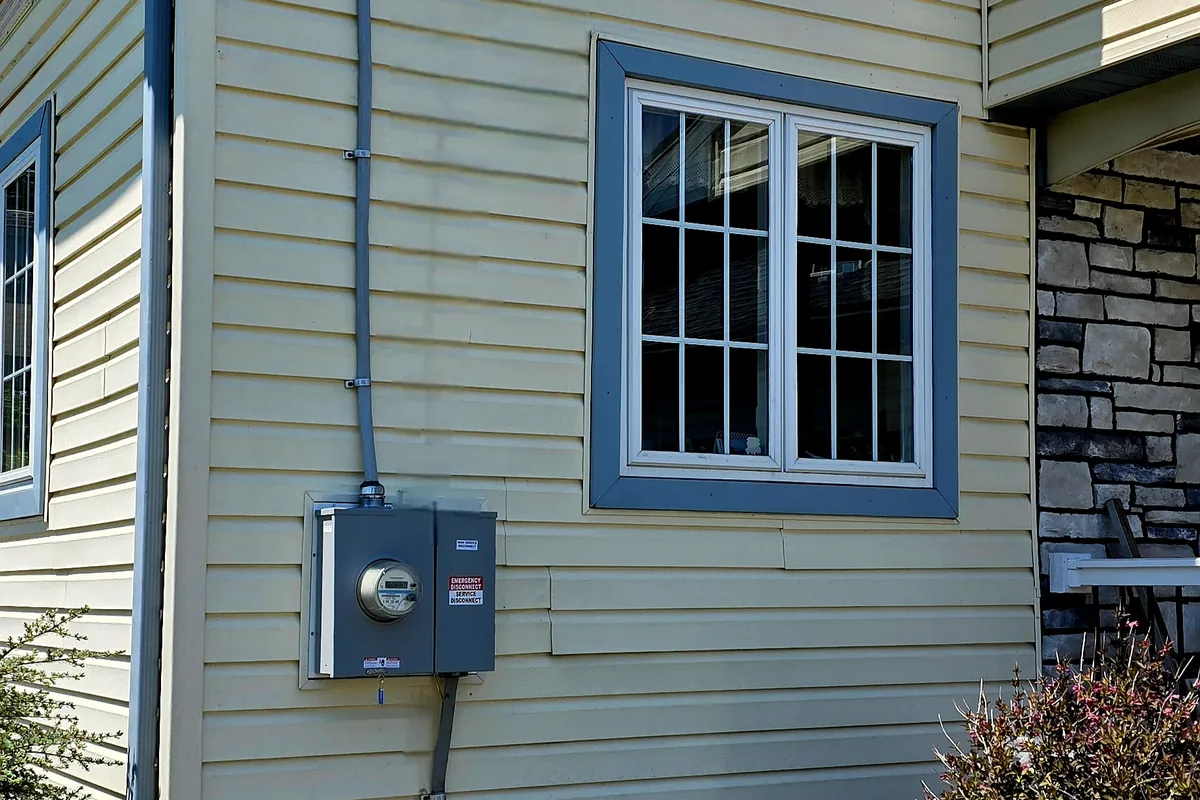
Most of a service upgrade happens with the power on. The new panel or switchboard is set, the service conductors are run, the grounding electrodes are driven and the feeders are prepared while the old service keeps feeding the building. Only the changeover needs an outage.
On a panel replacement where the branch circuits can be reused, the power is typically off for a working day, sometimes less. Where the meter, the mast or the point of attachment move, the outage has to line up with the utility crew and the inspector, so it is a scheduled window rather than an afternoon. Where a building cannot go dark at all, the new service is energised alongside the old and the loads move across in stages. On a farm that is planned around milking and feeding rather than around us, which is what this farm service entrance upgrade describes, while a meter and service upgrade in Womelsdorf shows the commercial version.
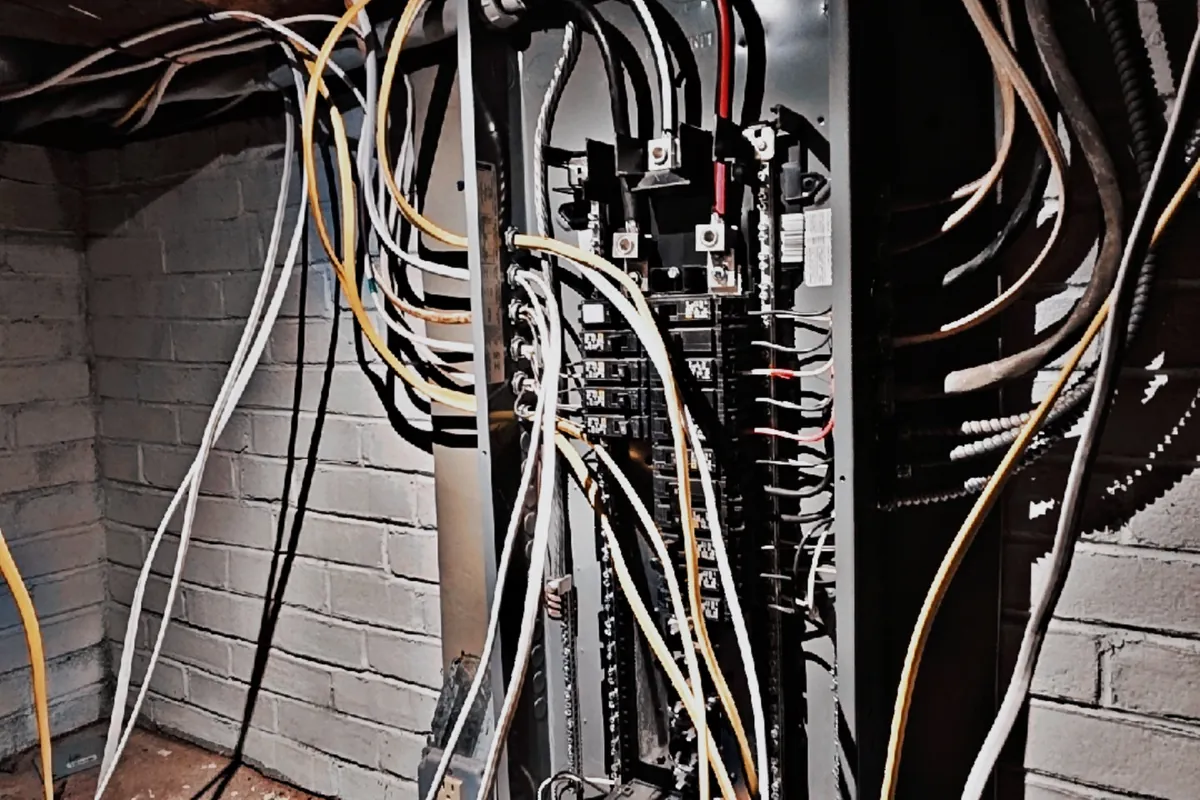
A new service is the one chance to get the grounding right, and in an older building it usually is not right. Article 250 requires every electrode present at the building to be used and bonded together: the metal underground water pipe, a concrete encased electrode where one is accessible, and rods where required. The neutral and the equipment grounds separate at the first disconnect and stay separated downstream, which is the most common error we find in buildings that grew a sub panel at a time. On farms the bonding between buildings matters more still, because it is the mechanism behind most stray voltage complaints.
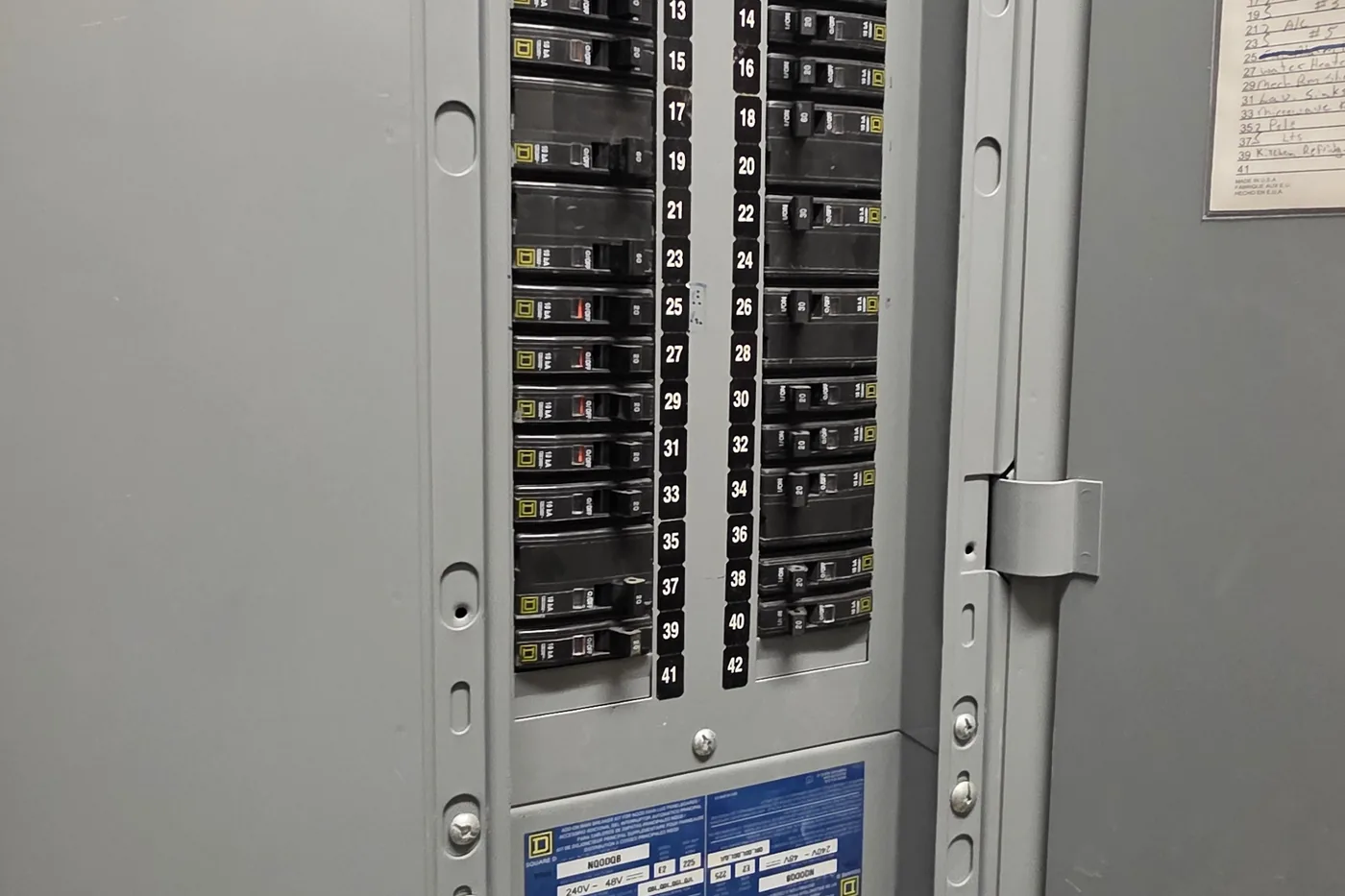
One point catches people out on damaged gear. Since the 2020 edition the Code has drawn a line at 408.8: switchboards, switchgear and motor control centres may be reconditioned, panelboards may not. A panel that has been through a fire, a flood or a serious fault is therefore a replacement, and anyone offering to recondition one is offering something the Code does not recognise. The signs are in when a panel needs replacing rather than repairing, and the price drivers in what it costs to replace a panel. An open new service is also the cheapest moment to fit surge protection.
What this covers
If what you need is not on the list, it is still worth asking. This is what we are asked for most, not the limit of what we do.
Everything between the utility connection and the main.
The boards themselves and what feeds them.
Deciding the size with arithmetic instead of habit.
The part of a new service most often got wrong.
The schedule you do not control, managed for you.
The day itself, and what gets fitted while it is open.
Farm service entrances and yard distribution points
Shops, offices and retail units
Restaurants after a kitchen change
Warehouses and light manufacturing
Pole buildings, workshops and equipment sheds
Buildings adding EV charging or standby power
Older buildings with obsolete or failing panels
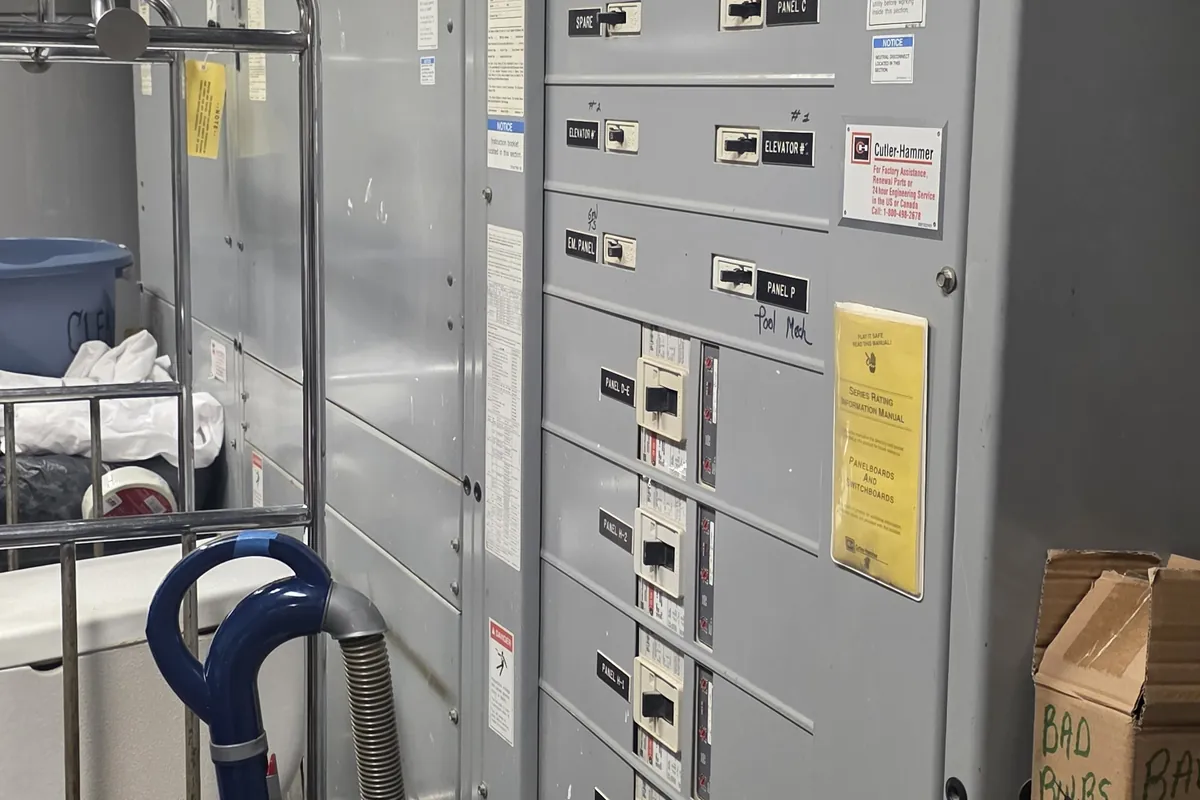
01
The house, then the barn off the house, then the shop off the barn. At some point the arithmetic stops working, and the fix is usually a proper distribution point rather than simply more amperes.
02
A retail unit becoming a restaurant, a warehouse taking a production line, a shop adding a welder and a compressor. New connected load against a service nobody has recalculated since it was installed.
03
Federal Pacific Stab-Lok, Zinsco and similar boards with a known breaker failure history. Insurers increasingly ask, and replacement is a planned job at a sensible price rather than an emergency at a bad one.
04
Both are loads that embarrass a service already near its limit, and both are far cheaper to allow for at design stage than to retrofit afterwards. The calculation should happen before the equipment is ordered.
05
Cold storage, plants mid run, farms with stock in the buildings. The new service gets energised alongside the old one and the loads move across in stages, which costs more in labour and nothing in production.
06
Sometimes true and often a reflex. We would rather do the calculation and tell you the honest answer, including when it is that the distribution needs rearranging and no extra amperes are required at all.
How a job runs
From the first visit to the labels left in the panel, this is the order it happens in.
A visit to see the existing service, the panel, the meter position and how the building is actually fed today.
A load calculation under Article 220, using recorded demand where the building already exists, plus whatever is being added.
A recommendation with the reasoning shown, including the case for a size you did not expect, as in this 200A upgrade.
The utility application and the permit, with the transformer and lead time questions asked at the start.
Preparation with the power on: gear set, conductors run, electrodes driven, feeders made ready.
The changeover and the inspection, in a window agreed around milking, trading or production.
Labels and a filled in directory left in the building, because a schedule that matches reality makes the next job quick.
For an existing building, 220.87 lets the calculation use recorded demand rather than a pile of nameplates. A recording meter on the service for a month turns an argument into a number, and it often saves the cost of the meter several times over.
Whether the utility's transformer can carry the new load decides your date more than anything we do. Asking it in week one is the difference between a scheduled job and a project that stalls after the gear arrives.
Gear set, conductors run, electrodes driven and feeders prepared while the old service keeps feeding the building. Only the changeover itself needs an outage, and that is where the planning goes.
Every electrode present bonded together, neutral and ground separated at the first disconnect and kept separated. It is the one chance to fix what a building accumulated over decades, and it is invisible afterwards, so nobody else charges for doing it right.
Since the 2020 Code, section 408.8 allows switchboards, switchgear and motor control centres to be reconditioned but not panelboards. If somebody has offered to recondition your damaged panel, they are offering something the Code does not recognise.
Labels, a filled in directory and a schedule that matches what is actually connected. Every future job in that building is faster and cheaper because of an hour spent at the end of ours.
5.0 ★ on Google · Open 24 hours
Read first
Service and panels
What does replacing an electrical panel actually cost, and why is every quote different?
Service and panels
How do I know if the panel needs replacing or just repairing?
Power distribution
Where does the power actually go between the meter and the machine?
Power distribution
The engineer says we need switchgear, not another panel. What is the difference?
Service and panels
The panel directory says kitchen and there is no kitchen. How do I fix this?
Anatoly runs the crew and usually answers the phone himself. Based in Myerstown, working across Lebanon, Lancaster and Berks counties, open 24 hours.