Commercial electrical contracting
Commercial electrical contracting across Lebanon, Lancaster and Berks counties: fit outs, remodels, service and panel upgrades, lighting, parking lots and EV charging.
Buying the charger is the easy part, and it is usually the part that has already happened by the time we get the call. The hard question is whether the building can feed it. Almost every difficult EV job is a distribution problem wearing a charger as a disguise.
What we do
Commercial electrical contracting across Lebanon, Lancaster and Berks counties: fit outs, remodels, service and panel upgrades, lighting, parking lots and EV charging.
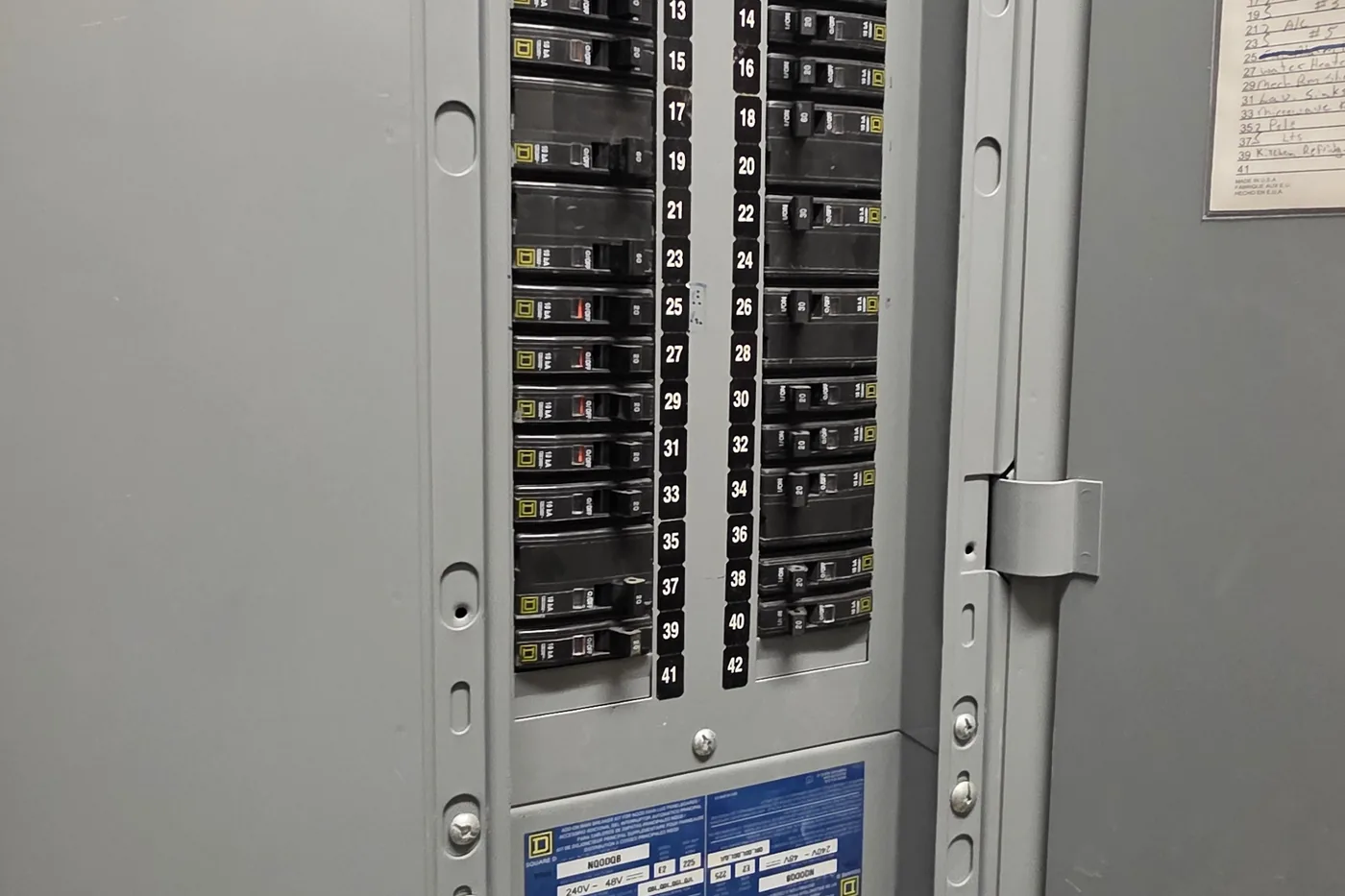
Electrical service and panel upgrades for farms, plants and businesses in Lebanon, Lancaster and Berks counties. Load calculation, utility coordination and a clean changeover.
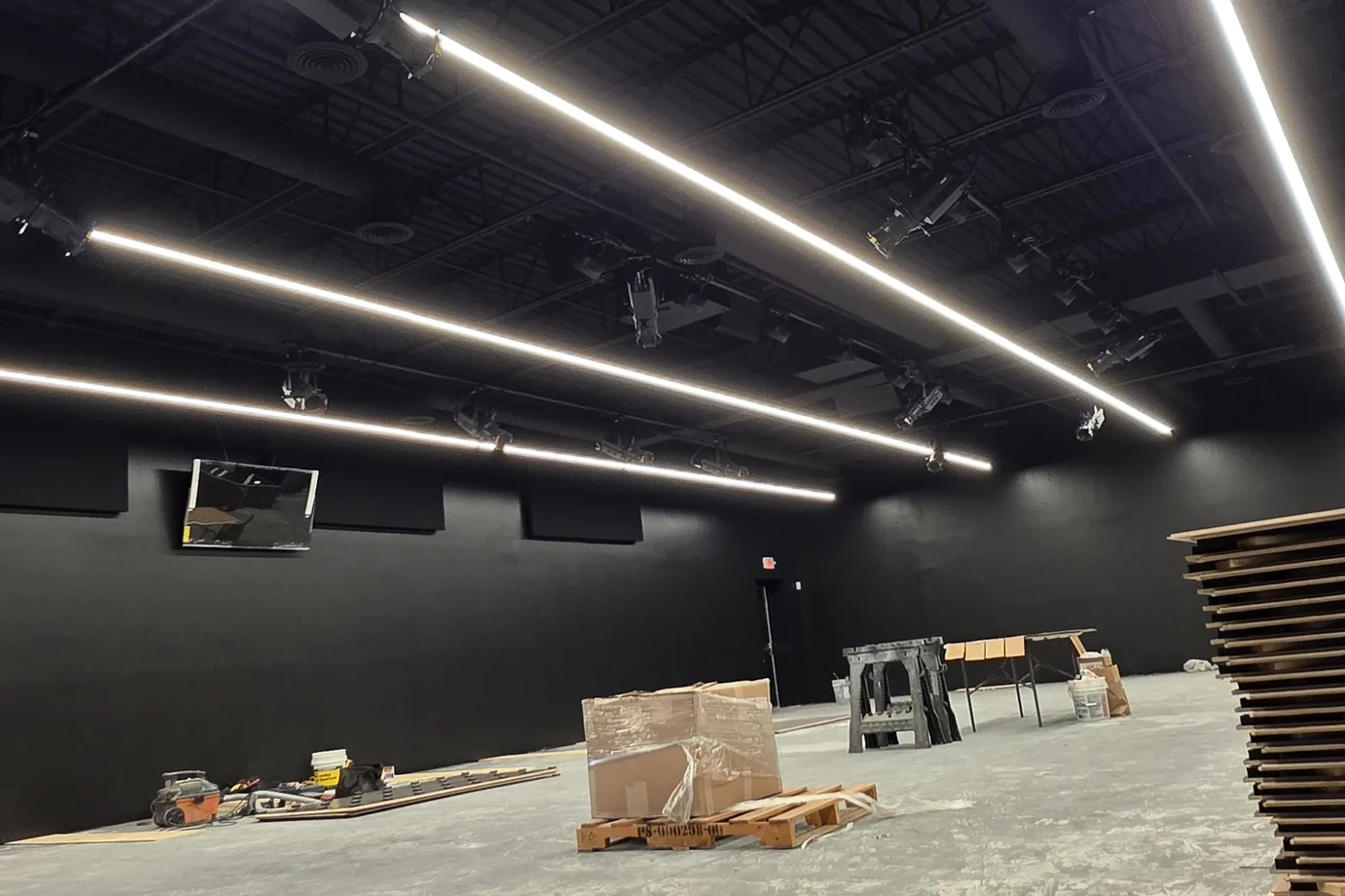
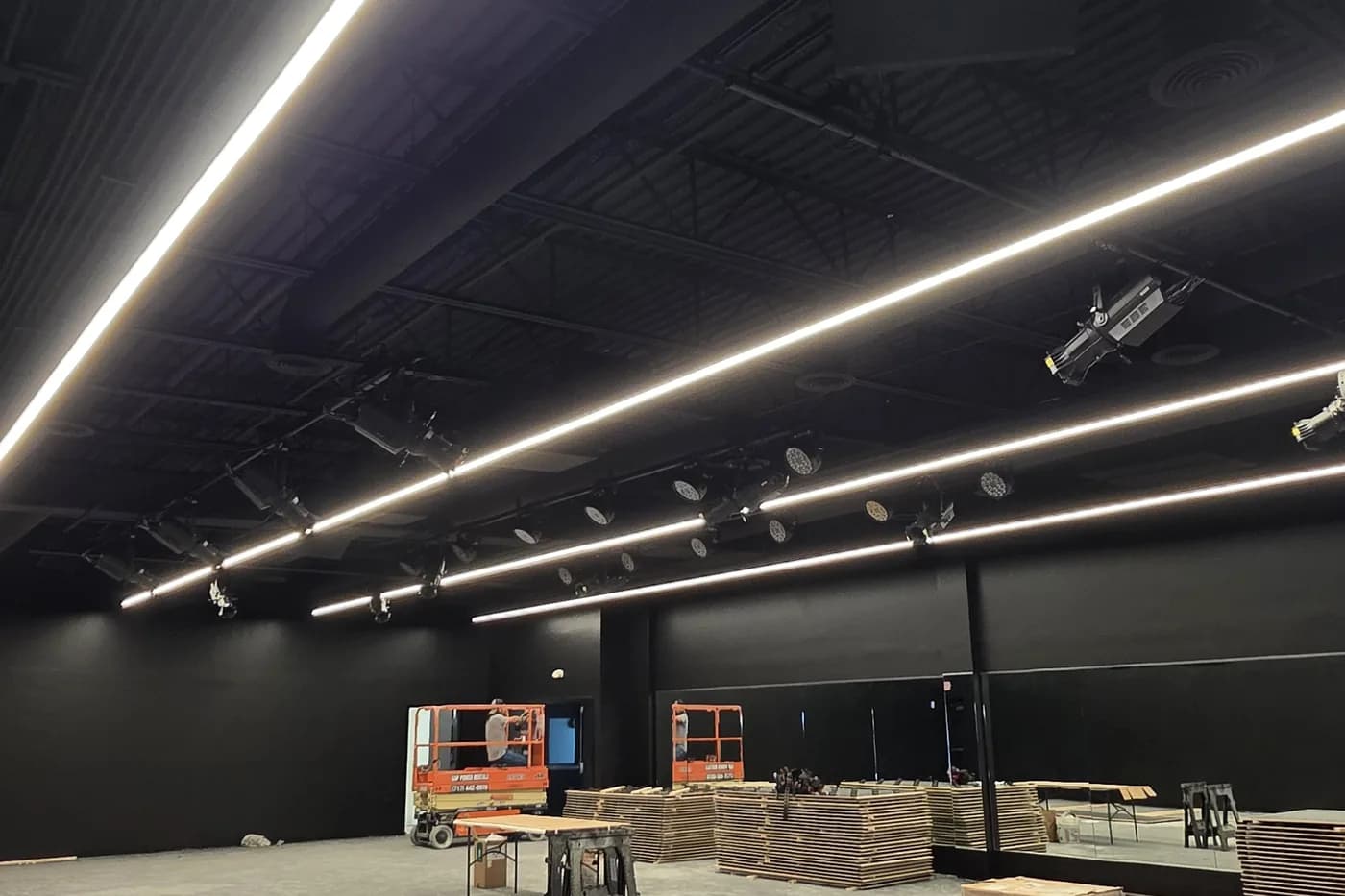
LED lighting design and installation for warehouses, pole barns, poultry houses and parking lots across Lebanon, Lancaster and Berks counties, Pennsylvania.
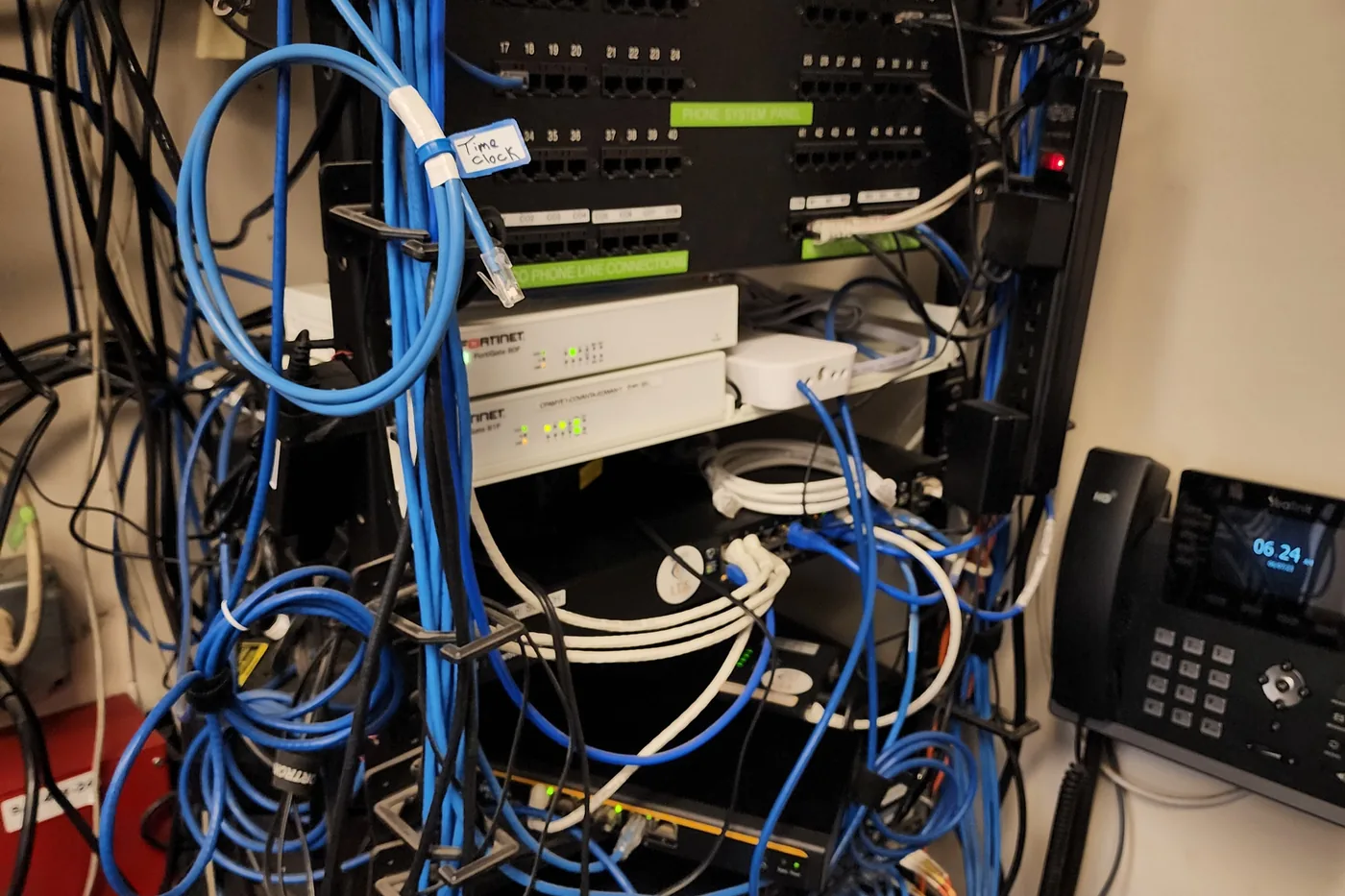
Structured cabling, camera and access control wiring, and controls cabling for plants, offices and farms across Lebanon, Lancaster and Berks counties in Pennsylvania.
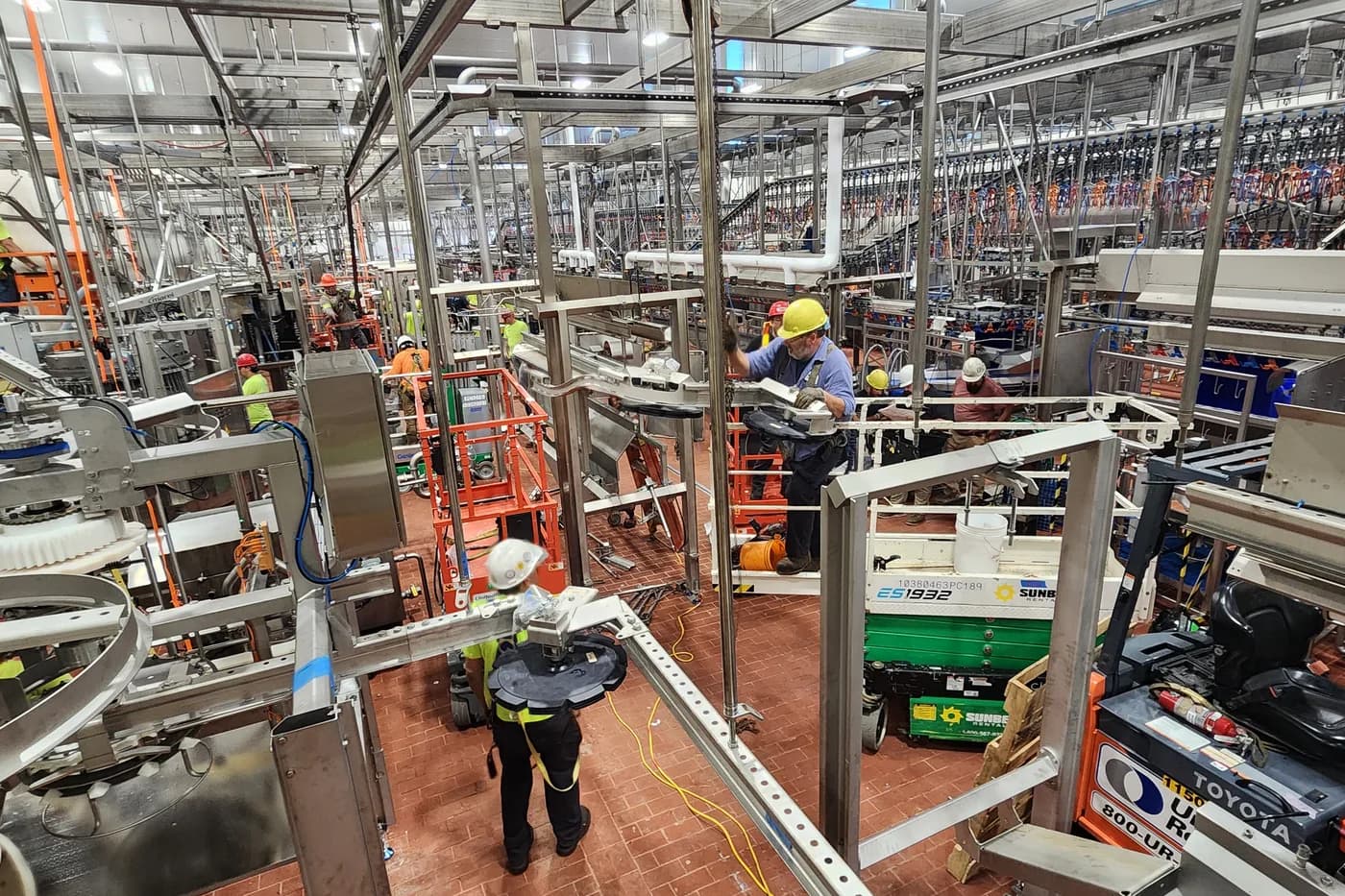
Industrial electrical contracting for plants in Lebanon, Lancaster and Berks counties: distribution, machine connection, motor control, drives and shutdown work.
What it is
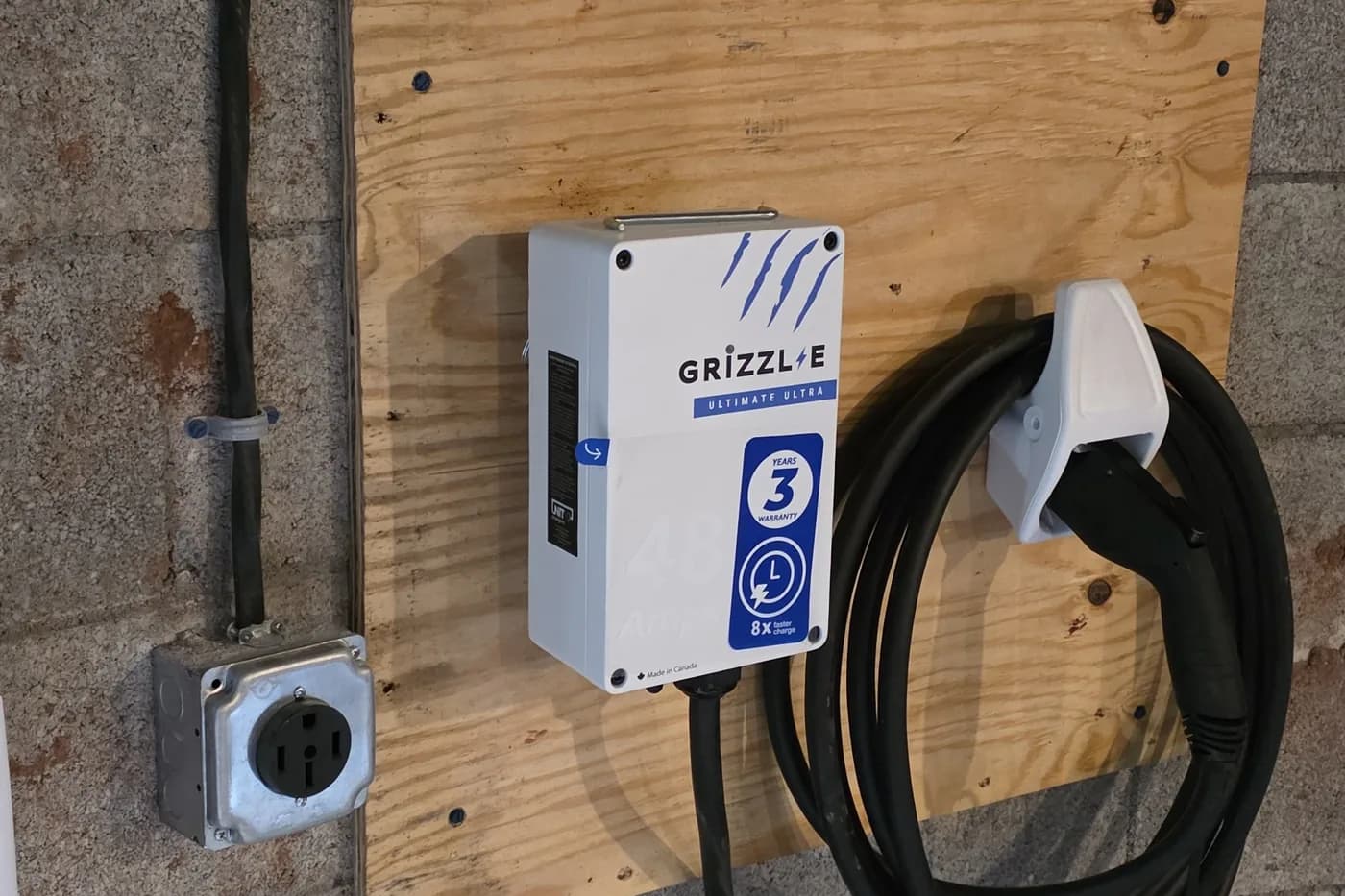
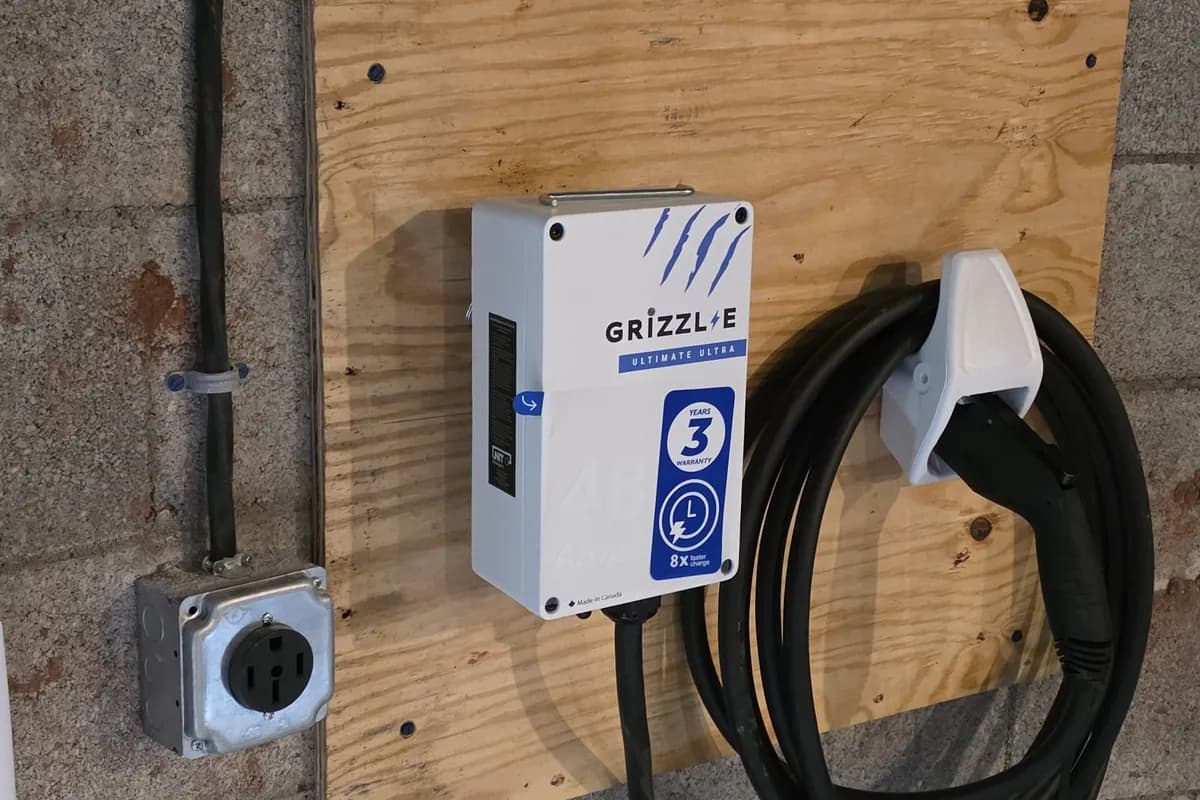
A single 48 amp Level 2 charger is a 60 amp continuous circuit. Four of them is 240 amps of continuous load, which is more than many commercial buildings have spare after the lighting, the HVAC and whatever is on the shop floor. The charger is a box on a wall. The capacity behind it is the project.
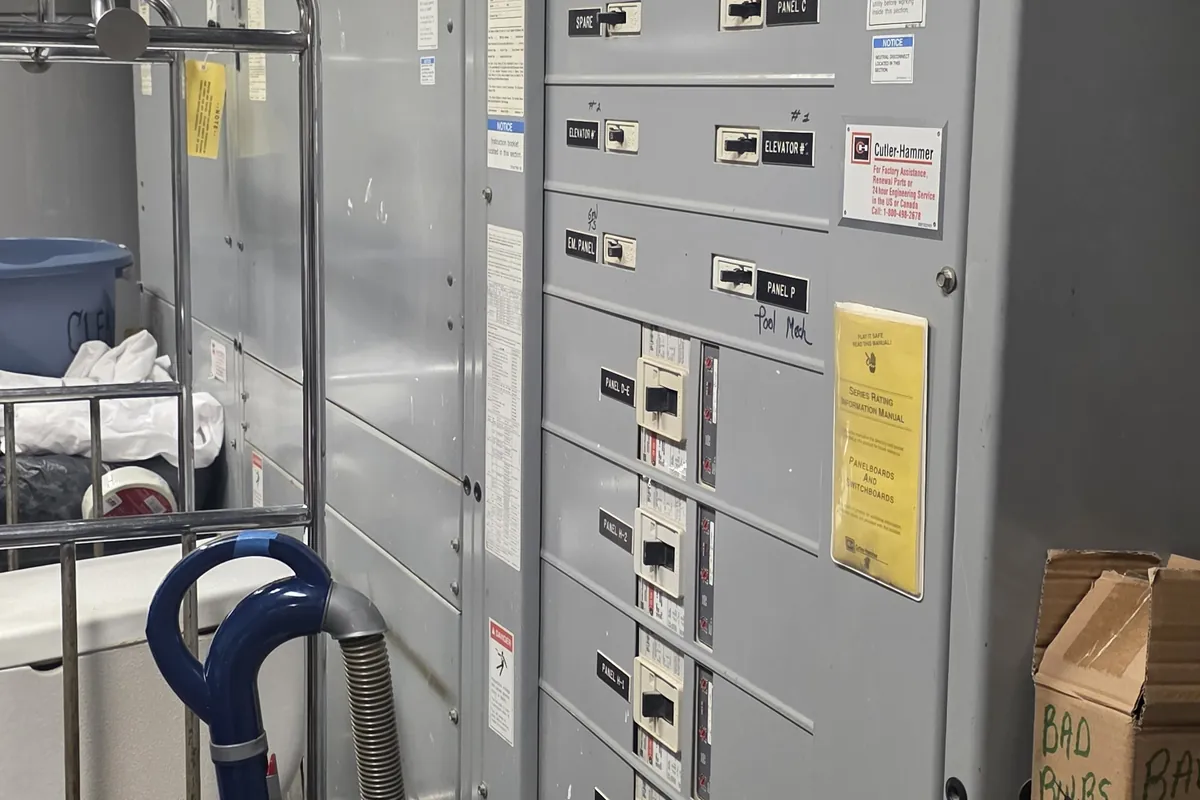
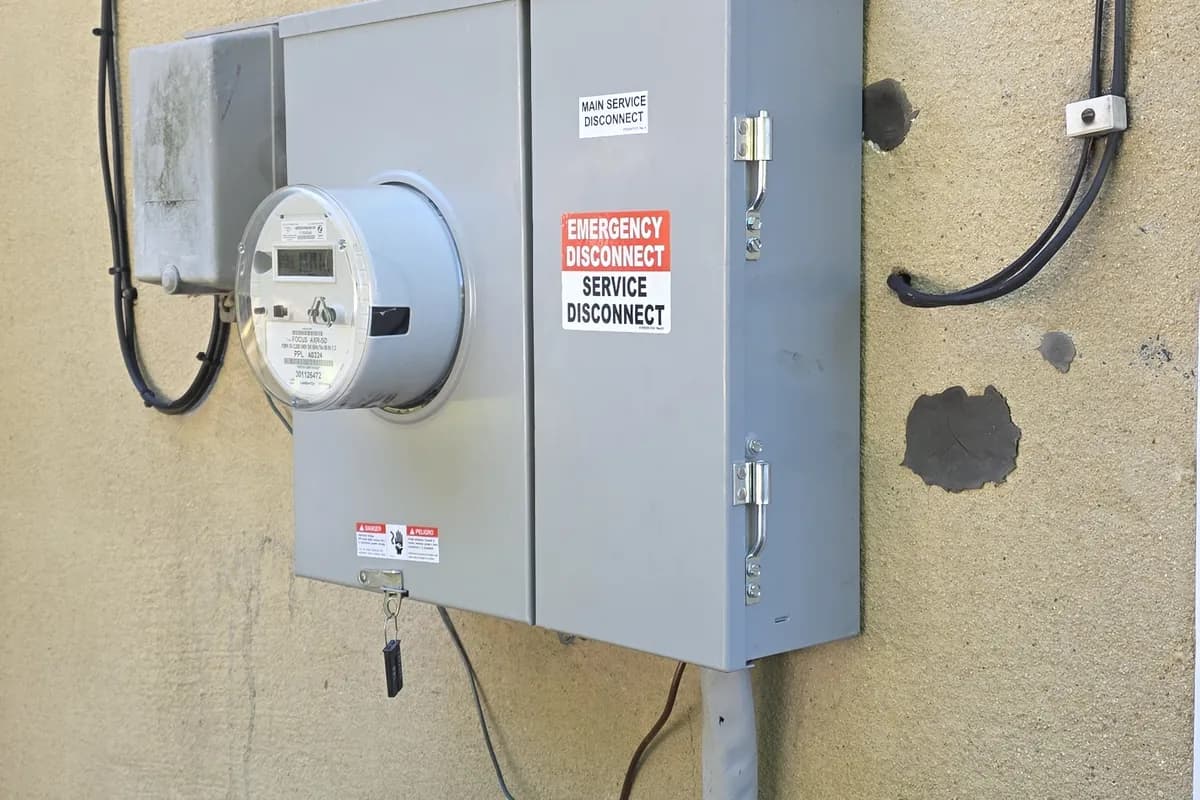
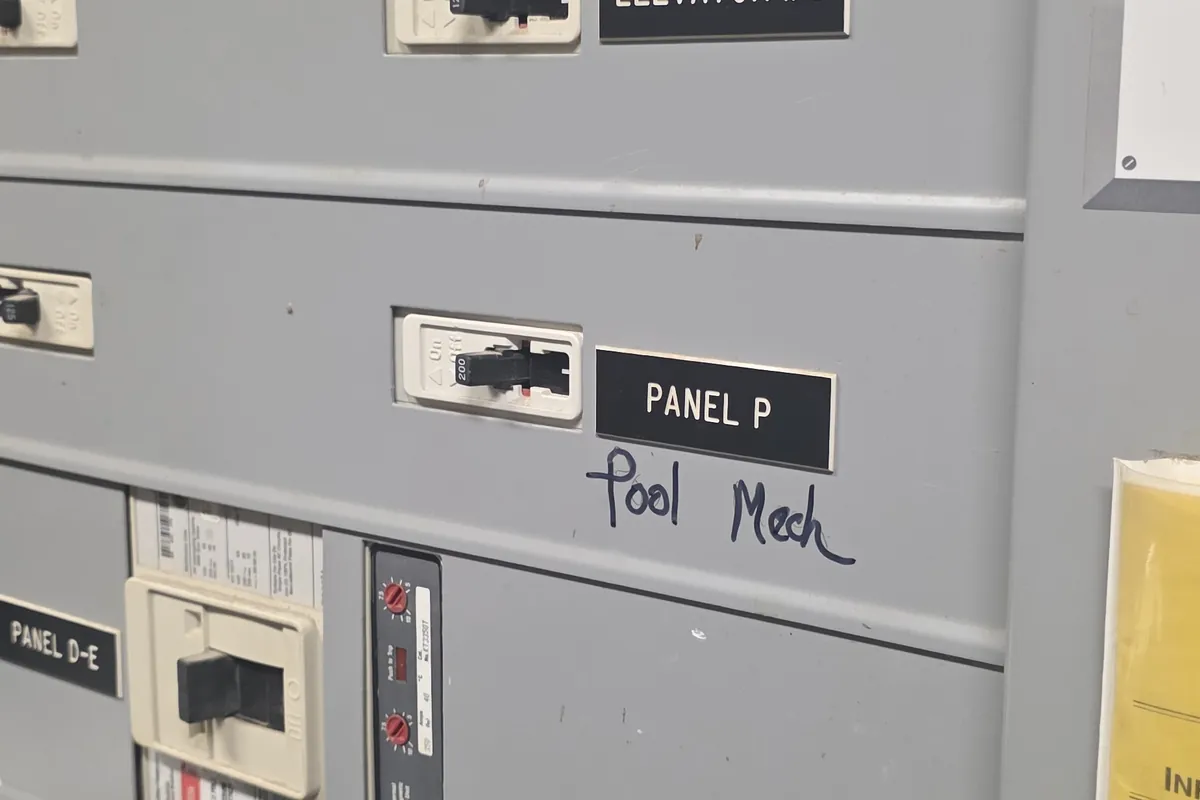
That is why the first visit is spent at the switchgear and not at the parking stall. Service size, main breaker rating, spare spaces, the condition of the panel and whether the existing feeders have any room left. Sometimes the answer is good news and the work is a day. Sometimes the panel was full a decade ago, which is the conversation in the signs a panel needs replacing.
Anybody can say the service will take four chargers. Article 220 of the National Electrical Code is how you find out. The calculation takes the existing demand, which for an occupied building is best measured rather than estimated, and adds the charging load, which the code treats as continuous, so it is counted at 125 percent of its rating.
Where a building has a year of utility bills or we can log the service with a recording meter, the measured peak is the honest starting point and it is often lower than the paper calculation suggests. That difference is sometimes what makes the difference between adding chargers and rebuilding a service. The drawing side of that is covered in the load study and drawings job.
The calculation is also where the future gets decided. If the plan is two chargers now and six in three years, that has to be in the arithmetic today, because the feeder, the raceway and the panel space are all far cheaper to get right once than to redo. Two stalls installed without that thought is how a site ends up paying for the same trench twice.
Level 2 runs on 208 or 240 volts, typically 32 to 48 amps, and puts back roughly 20 to 30 miles of range an hour. For a vehicle that sits for hours, whether a staff car park or a fleet parked overnight, it is almost always the right answer and the cheapest one.
DC fast charging is a different category of work. A 150 kW unit needs three phase at 480 volts, a concrete pad, a substantial feeder and often a transformer, and it will change your demand charges because the utility bills on peak kW as well as kWh. It makes sense where vehicles turn around in twenty minutes and nowhere else. Whether three phase is even at your road is the utility's answer, not ours, and the alternatives are in three phase against single phase.
This is the part that saves the most money and gets mentioned the least. Chargers that talk to each other, or to an energy management system, can share a circuit and throttle so the group never exceeds a set limit. The code recognises this: Article 750 covers energy management systems, and Article 625 allows a charger controlled by one to be calculated at its managed maximum rather than its nameplate.
The arithmetic is usually kind. Eight vans that each need 60 kWh overnight need 480 kWh delivered, and across a ten hour window that is an average of 48 kW. Eight unmanaged 19.2 kW chargers demand 154 kW. The vehicles do not care which way they were filled by six in the morning, and the difference between those two numbers is frequently the difference between a day of work and a three phase distribution upgrade.
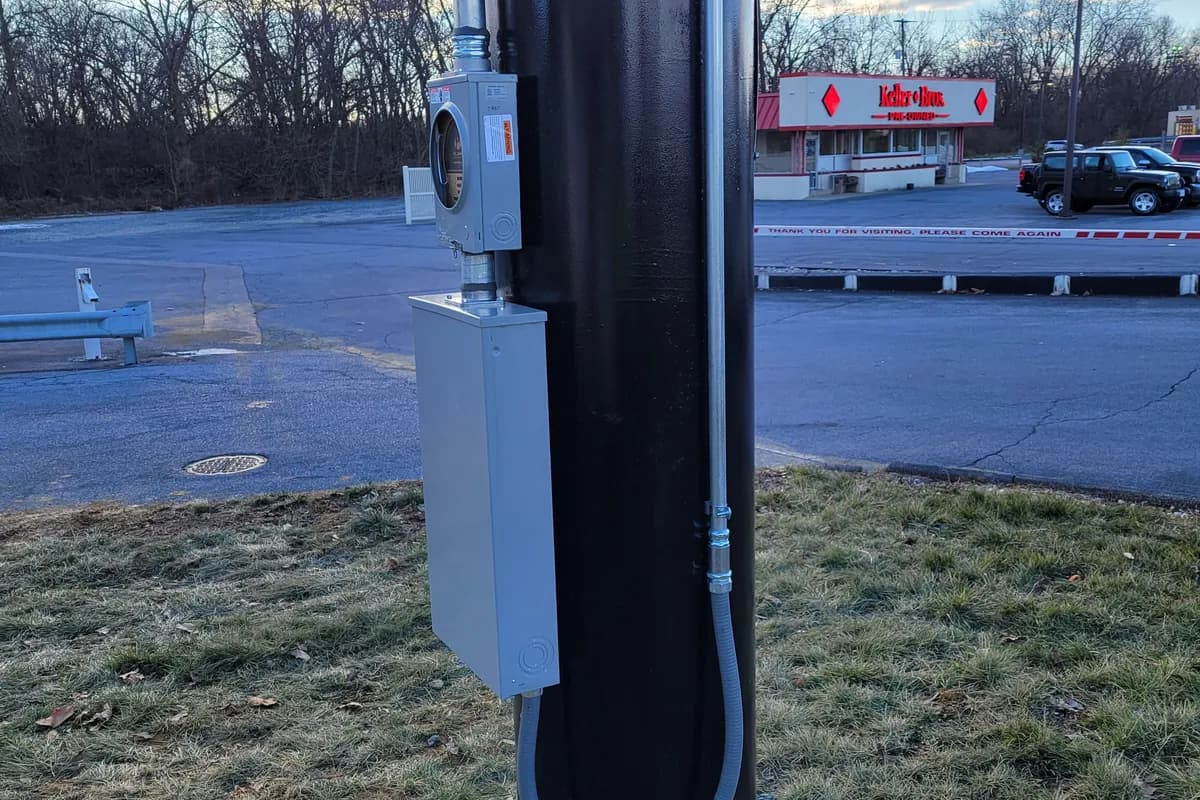
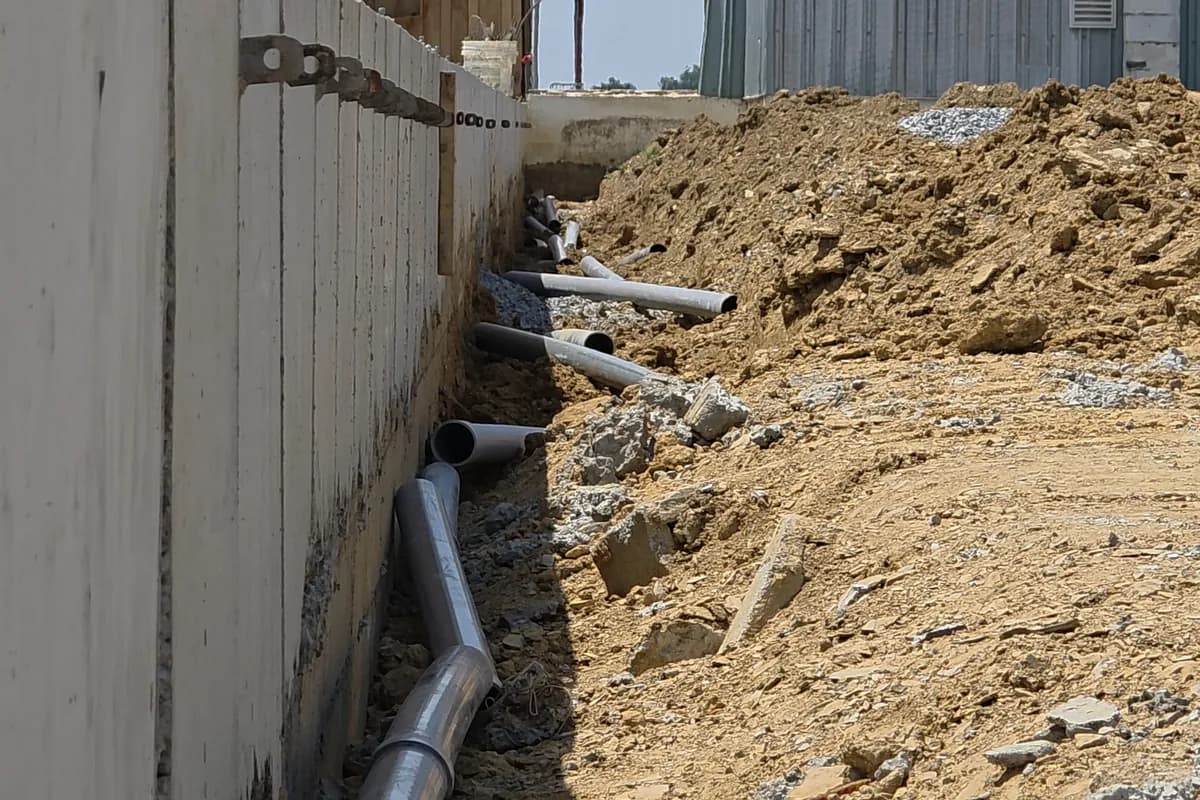
The expensive part of an outdoor charger is the trench. Opening the same asphalt twice is the most avoidable cost in this work, so when we trench we put in spare conduit with a pull string to the stalls that are not being built yet, and size the raceway for the feeder a later stage will want rather than the one today needs. Stub ups get capped and located on a drawing. If the lot is being lit at the same time, both sets of underground work share one trench, as in the parking lot lighting job.
Siting is a practical problem more than an electrical one. Cables reach about 18 to 25 feet, so a charger placed to serve two stalls has to reach both without lying across a driving lane. Bollards or wheel stops keep a delivery truck off the unit. Snow gets pushed somewhere every winter, and the somewhere is usually the edge of the lot where the cheapest charger location was. The code sets a minimum mounting height for the connector, higher outdoors than indoors, for exactly that reason. What this looks like finished is in the commercial EV charging site.
What this covers
If what you need is not on the list, it is still worth asking. This is what we are asked for most, not the limit of what we do.
What almost every site actually needs.
A different category of work, and of bill.
Usually the difference between a day and a project.
The expensive part is the trench, not the box.
What makes a charger more than a socket.
After the first stage is in.
Offices, business parks and industrial units
Fleet yards, service garages and depots
Retail, restaurants and hospitality car parks
Warehouses and distribution sites
Municipal and institutional lots
Multi tenant commercial parking
Farm shops adding a charger for a truck or van
01
The best case in this work, because ten hours of standing time turns a hard capacity problem into an easy one. Load management usually gets a whole yard charged on a service that looks far too small on paper.
02
A handful of stalls for staff, often in a lot that also needs lighting. Doing both in one trench is the single biggest saving available on this kind of job.
03
Here the charger is a reason to park rather than a utility. Siting, signage and something that reliably works matter more than raw speed, and Level 2 is almost always the right answer.
04
The call usually arrives with a charger in a box. We will fit what you have where the ratings work, and we will say plainly when a hardwired unit and a plug in one lead to different circuits and different costs.
05
Sometimes true. Often it is a load management conversation instead, and worth an honest calculation before committing to a utility project with its own timeline.
06
A single unit on a yard where the service is already carrying a lot. The question is the same as everywhere else: what is actually spare, measured rather than assumed.
How a job runs
From the first visit to the labels left in the panel, this is the order it happens in.
What vehicles, how many, and how long they sit. That drives the design more than the charger model does.
A look at the service and panel, plus a year of utility bills or a recording meter on the main.
A load calculation to Article 220 with the charging load added as continuous.
An honest answer in one of three forms: it fits, it fits with load management, or the service has to grow.
Trenching, conduit, stub ups for the stalls you are not building yet, and bases or mounts.
Install, commission and test with a vehicle rather than only with a meter.
Labels, a panel schedule that reflects reality, and the network set up if the chargers bill or report.
Almost every difficult EV job is a distribution problem wearing a charger as a disguise. Four 48 amp units is 240 amps of continuous load, which is more than many buildings have spare once everything else is counted.
A year of utility bills or a recording meter on the main gives a real peak, and it is frequently lower than the paper calculation. That gap is often what decides whether you need a service upgrade at all.
Article 750 and 625 let a managed charger be calculated at its throttled maximum. Eight vans needing 60 kWh overnight is 48 kW averaged across ten hours, against 154 kW unmanaged. The vehicles are equally full at six in the morning.
Spare conduit with a pull string to the stalls that are not built yet, raceway sized for the later feeder, stub ups capped and recorded on a drawing. Opening the same asphalt twice is the most avoidable cost in this work.
Cables reach about eighteen to twenty five feet, snow gets pushed to the edge of the lot every winter, and delivery trucks find the unprotected unit eventually. Bollards and mounting height are cheaper than a replacement connector.
A meter proves the circuit. A car proves the installation, including the handshake, the network connection and whatever billing was supposed to happen. We would rather find that out than have you find it out.
5.0 ★ on Google · Open 24 hours
Read first
Power distribution
Is it worth bringing three phase to the building?
Service and panels
How do I know if the panel needs replacing or just repairing?
Power distribution
Where does the power actually go between the meter and the machine?
Service and panels
What does replacing an electrical panel actually cost, and why is every quote different?
Service and panels
The panel directory says kitchen and there is no kitchen. How do I fix this?
Anatoly runs the crew and usually answers the phone himself. Based in Myerstown, working across Lebanon, Lancaster and Berks counties, open 24 hours.