
Plant wiring inside a planned shutdown window
Lancaster County, PA
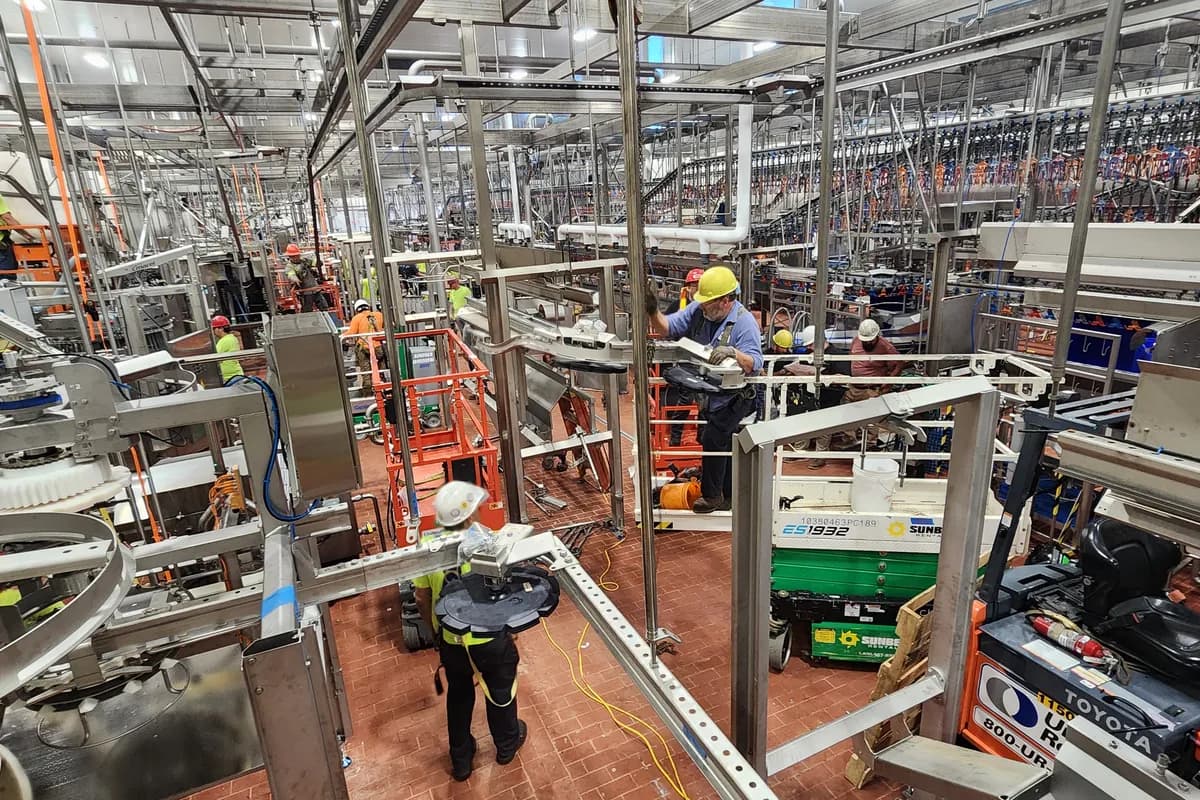
A production shutdown is the only time some electrical work can happen, and it is also the most expensive week on the plant calendar. Every hour the line is down carries a number attached to it, so the work gets planned, staged and sequenced in a way that has little in common with ordinary industrial jobs.
Why shutdown work is its own discipline
In normal industrial work the schedule has some give in it. If a delivery slips a day, the job absorbs it. Inside an outage there is no give at all. The restart time is fixed before anyone picks up a tool, usually because production, shipping and raw material orders are already committed against it.
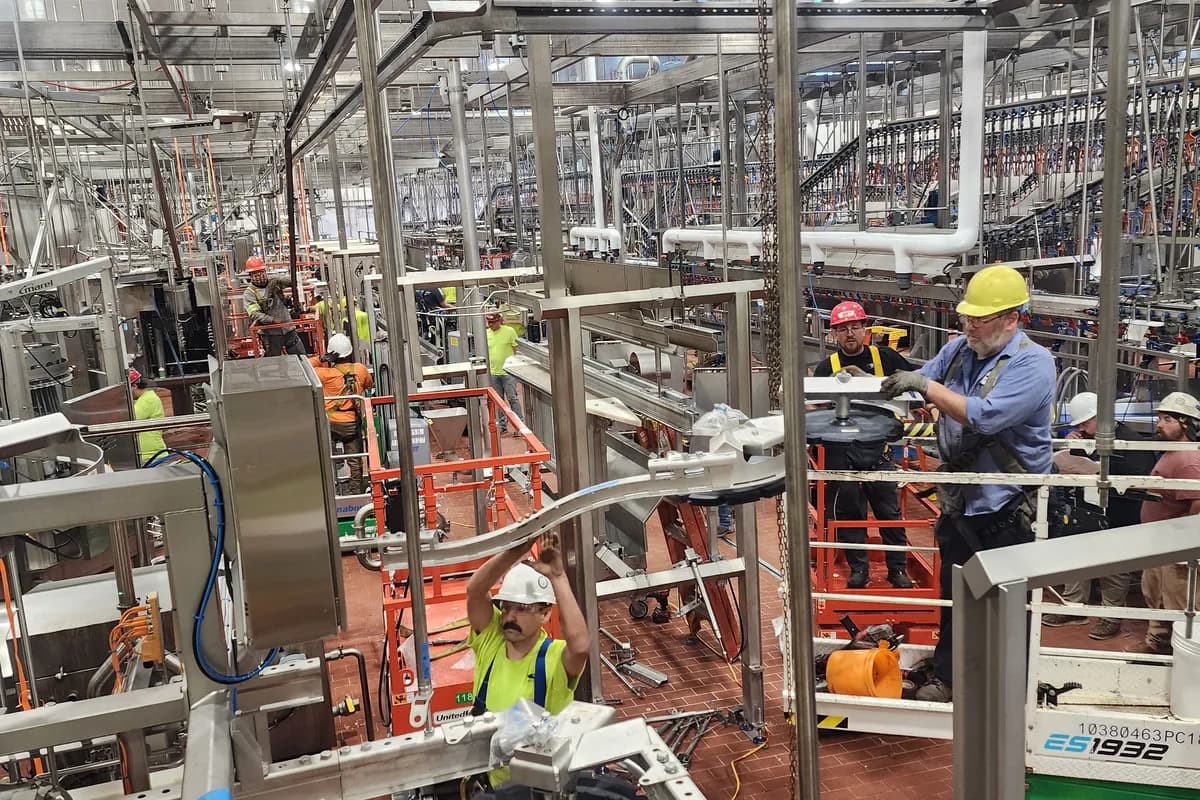
That one fact changes nearly every decision. Work that would normally happen in place gets built off site. Material that would normally be ordered as needed is counted and staged in the room where it goes. Crews are split by area rather than by task, because the limit during an outage is usually access to a space, not the number of hands available.
It also changes who we talk to. On a running plant an electrical contractor mostly deals with maintenance. In a shutdown the conversation includes plant safety, the mechanical contractor, the equipment vendor technician and whoever owns the restart checklist. Our industrial electrical services are organised around that, because the electrical scope is rarely the critical path on its own but it is almost always what the restart waits on.
Planning backwards from the restart
Planning starts with the last item rather than the first. Somebody has to run the line and prove it makes product. Before that the controls have to be proven, before that the equipment has to run in manual, before that it has to be energised and tested, before that terminated, and before that the raceway and cable have to be in. Laid out in that order the scope shows which items must finish on day one.
The same exercise exposes the handover points. Electrical usually cannot terminate a motor until the mechanical crew has set and aligned it. Conduit usually cannot be routed until new pipe and duct are placed, because fitters have less freedom about where their lines go. Anything on a long lead time, a drive, a starter section, a custom enclosure, belongs on site before day one rather than on a truck during the week.
The third piece is contingency. Outage scopes grow, always. Once guards come off and equipment is opened up, things get found. A realistic plan carries slack for discoveries and a short list of work that can be pushed to the next window. A plan with nothing deferrable in it is not a plan.
What gets built before the plant stops
Almost anything that can be built in a shop should be. Control panels, junction boxes, terminal enclosures and cable assemblies can all be produced and point to point tested ahead of the outage, which turns days of floor work into hours of hanging and landing. That is the same shop work behind our control panels and machine wiring, and it is the largest single lever on an outage schedule.
Staging matters as much as prefabrication. Material sitting on the dock is not really on site. Cable gets cut to length, tagged at both ends and dropped in the area it serves. Fasteners, strut and supports go to the area too, because a man walking back to the trailer for hardware is not installing anything.
- Control panels and junction boxes built and tested in the shop, not on the floor
- Cable cut to length, tagged both ends and staged in the area it serves
- Conduit prefabricated to the marked routes where the layout is already fixed
- Long lead items such as drives and starter sections on site before day one
- Drawings, loop sheets and the restart checklist printed and in the work area
Lockout tagout and sharing the floor
An outage is the highest risk period in a plant year, because energy sources are isolated and restored repeatedly while more people than usual are in the building. Plant lockout procedures are not something a contractor works around. We work inside them, using the plant permit system, its lock boxes and its group lockout process.
NFPA 70E drives the rest. The default is an electrically safe work condition before anything is opened: isolate, lock, verify absence of voltage with a tested meter, ground where required. Where a task genuinely cannot be done de energised it needs an energised work permit, the correct boundary and the correct protective equipment, and that call belongs to the plant rather than to whoever is holding the screwdriver.
Sharing the floor is a practical problem as much as a safety one. Welders, riggers and fitters make heat, sparks and overhead loads, none of which mixes well with open panels and cable pulls. Sequencing areas so trades are not stacked on each other saves more time than extra labour does, and so does settling early who owns temporary power and task lighting.
Commissioning before the line runs
The restart is where an outage is won or lost. Work that is physically complete is not work that is proven. Insulation resistance testing on new feeders, rotation checks on every motor, confirmation that overloads are set to the motor nameplate rather than to the breaker size, and a point to point check of control wiring all belong before the first start attempt.
Functional checks come next and take longer than people expect. Every e stop gets pressed. Every interlock, guard switch and pull cord gets tested to confirm it stops what it claims to stop. Instrument loops get verified end to end so the number on the screen matches the transmitter, which is the work in instrument racks and process signal wiring. Drives get checked for direction and ramp under real load.
Documentation closes it out. Red lined drawings, corrected panel schedules and a marked up loop list are worth more to a plant than tidy tray work, because the next person troubleshooting at two in the morning has nothing else to go on. If the outage changed the distribution then available fault current and the arc flash labels change with it, as in the three phase distribution upgrade.
Where the same approach applies
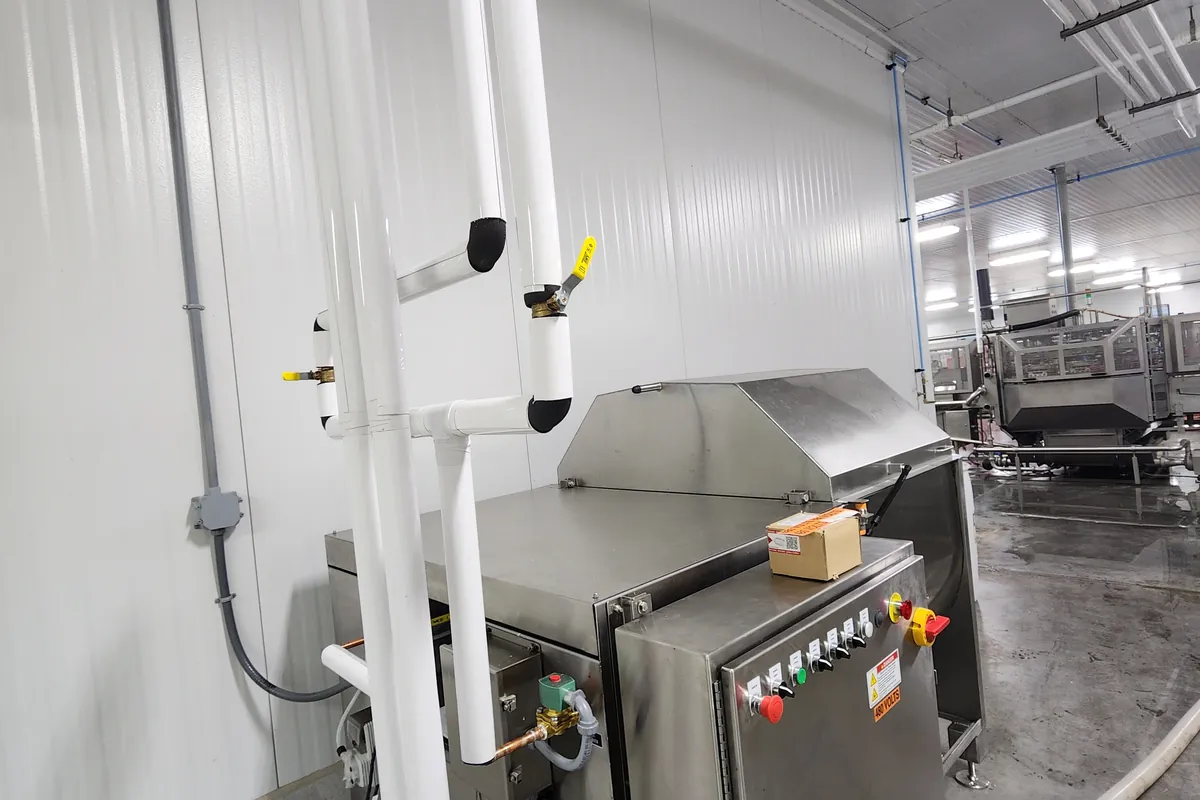
Food and beverage plants across Lancaster and Lebanon counties run the tightest windows, often a weekend sanitation break rather than a full week, with the hygienic constraints of food plant equipment power layered on top of the schedule. Packaging and light manufacturing sites usually get a longer summer or holiday outage, which allows bigger scopes such as distribution work or a machine relocation.
The same discipline pays off outside a formal shutdown. A changeover over one weekend, or a feeder replacement between shifts, benefits from the same backwards planning and the same prefabrication. Plants that run a genuine electrical preventive maintenance program tend to have shorter and calmer outages, because the surprises surface during a scheduled inspection instead of during the one week the line is down.
Services used on this job
Got something like this coming up?
Tell us what the building is and what it has to run. We will tell you what it needs and what it takes. The phone is answered around the clock.