
Electrical service in Lancaster
Lancaster is city work, and city work here means old buildings. The commercial stock downtown and along the arterials has usually been something else first, sometimes twice, and the electrical system is a record of all of it. That history decides more about a job than the square footage does.
Around thirty minutes from Myerstown, longer at the end of the working day.
Buildings on their third use
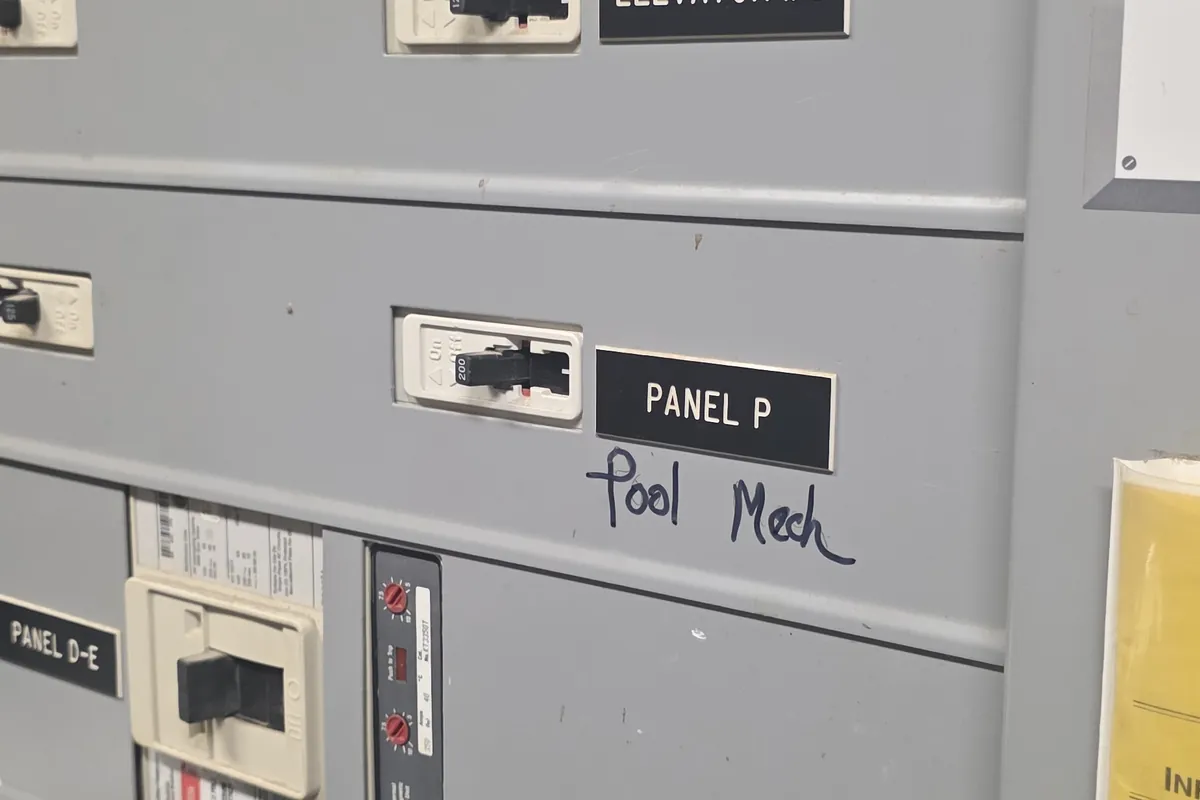
A downtown unit that was a shop, then an office, then a restaurant carries three generations of wiring and a directory nobody has updated since the second one. The recurring problem is not the wiring so much as the record of it: no drawings, a sub panel fed from a sub panel, and nobody left who can say what each breaker feeds.
That turns every isolation into a hunt, and somebody's till or walk in cooler goes dark by accident. We re identify circuits as we work and leave a schedule that matches the building, which is the argument in how to read a panel schedule.
Change of use is where capacity runs out
The job that most often brings us into the city is a change of use. A retail unit becoming a restaurant, an office floor taking on equipment, a warehouse bay turning into something that actually draws current. The original service was calculated for none of it.
The honest starting point is an Article 220 calculation rather than an opinion, and for an existing building there is a better route than adding nameplates up. That is explained in what size electrical service you actually need. Sometimes the answer is that the distribution needs rearranging and no extra amperes are required at all.
Kitchens are the demanding end of it
Lancaster has a lot of restaurants, and a commercial kitchen is the most demanding space in ordinary commercial work. Circuits sized to the real equipment schedule rather than the brochure, GFCI where Article 210.8(B) now requires it, wiring methods that survive washdown and grease, and a hood wired so the fans and the suppression system behave correctly together.
Send that equipment schedule early. The connection details decide the rough in, and finding them out in week nine costs a great deal more than finding them out in week one.
Around Lancaster
Downtown commercial core and the surrounding blocks
Restaurants and hospitality through the city centre
Older mixed use buildings along the arterials
Light industrial and flex space toward the edges
Offices and professional suites
Warehouse and distribution space out along 283 and 30
What we are called for
The work Lancaster asks us for
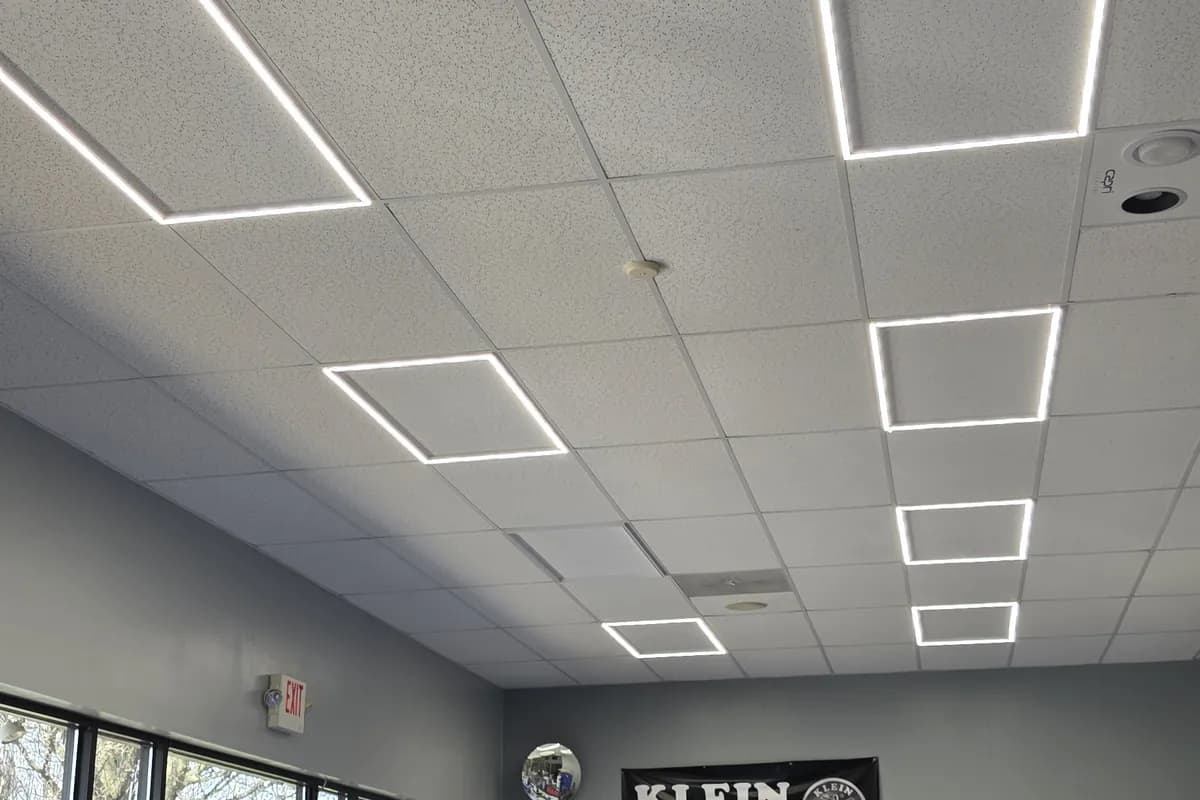
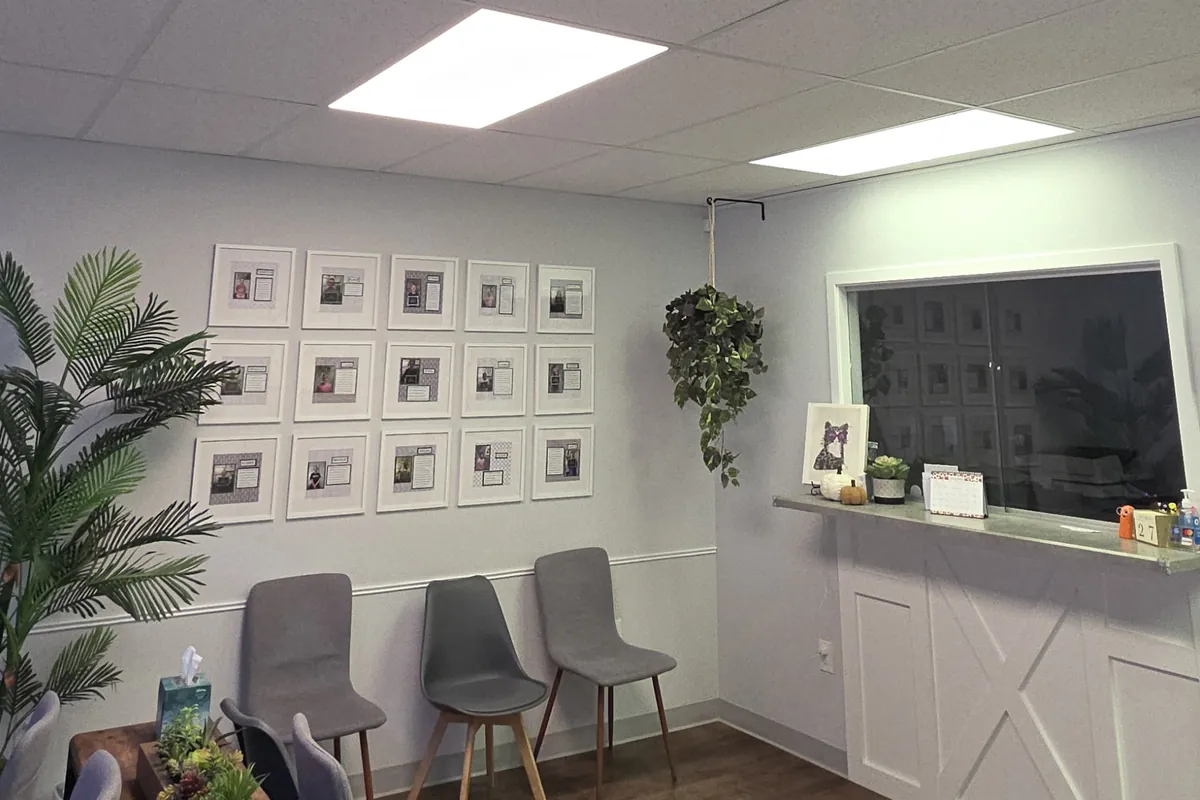
Fit outs and remodels
From a landlord shell to opening day, coordinated around the ceiling date and the inspection stages rather than around us.
Service and panel replacement
Older city services that ran out of room, including boards that are a replacement rather than a repair.
Restaurant and kitchen circuits
Real connected loads, GFCI where the current code requires it, washdown rated methods and hood interlocks that work.
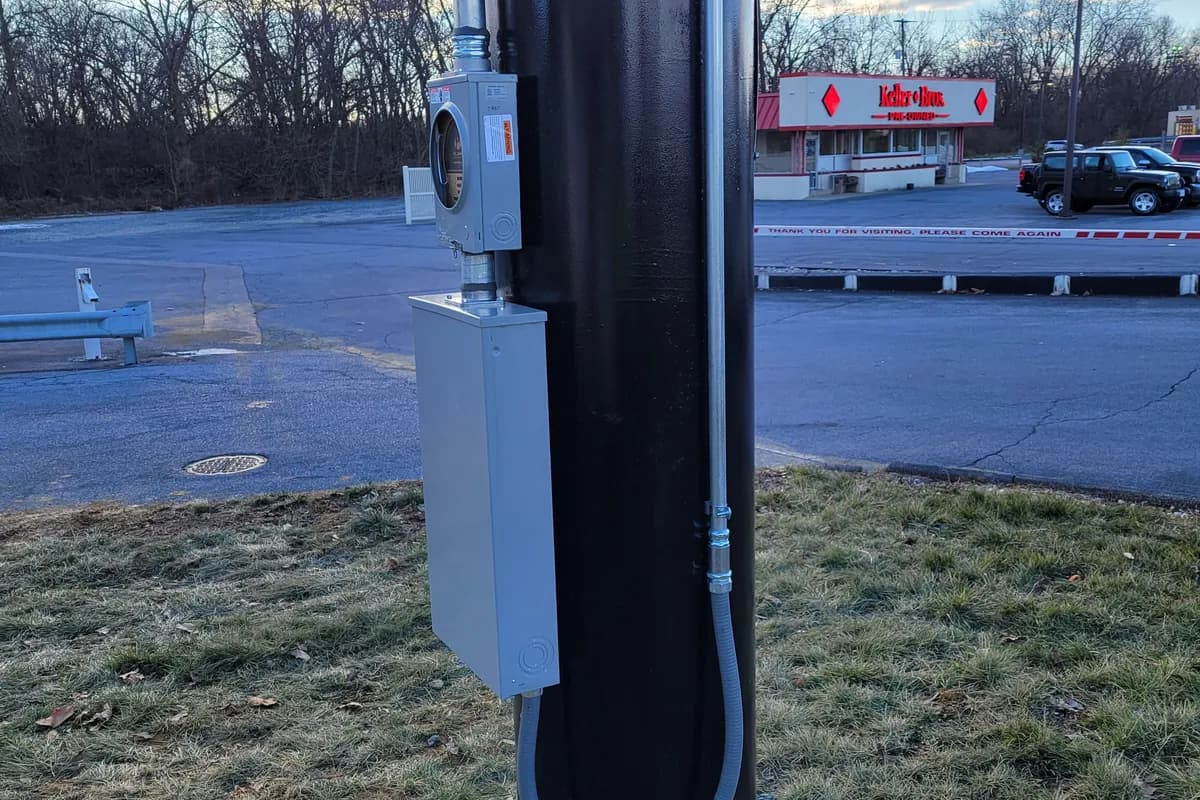
Interior and exterior lighting
Retail and office lighting, plus the lot and facade work that gets noticed in January at five in the afternoon.
EV charging
Staff and customer parking, with the load calculation done before anybody orders equipment.
Service calls after handover
Fault finding, breaker and fixture failures, extra circuits and the work that follows an equipment change.
Working in Lancaster
- For planned work it is a normal run. For a single tripped breaker at midnight there are electricians much closer to you than we are, and we will say so on the phone rather than charge you for the drive.
Worth reading
Service and panels
How to read a panel schedule, and why yours does not match the building
Service and panels
What size electrical service do you need: how the calculation works and why 200 amps is usually a guess
Service and panels
Signs an electrical panel is finished, and the ones that only look serious
Tell us what the building has to run
Describe the job and where in Lancaster it is. If somebody closer would serve you better on that particular job, we will say so.